


Are expensive tights worth it?
The price gap in hosiery is not random. It reflects specific differences in yarn grade, construction method, and manufacturing rigour that show up when you wear the tights — not when you look at the product photo.
In short, our answer is yes. Not all tights are built equally. Let's explore what the differences are, and what different tights cost to produce.

What goes into a quality pair of tights?
The first signal of the quality of tights is the yarn.
Budget hosiery uses a yarn blend chosen to easily producable, and quick to tear. Multiple purchases = more money for the company.
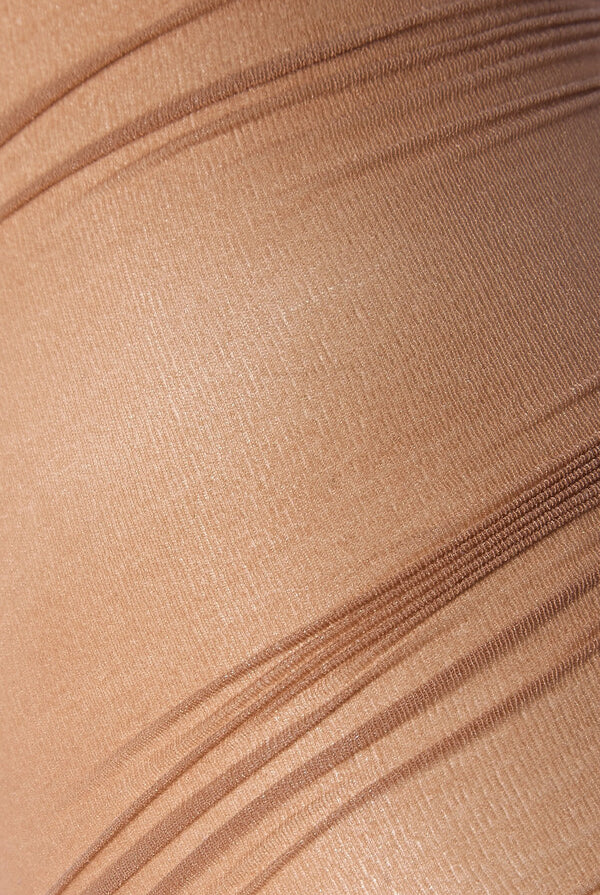
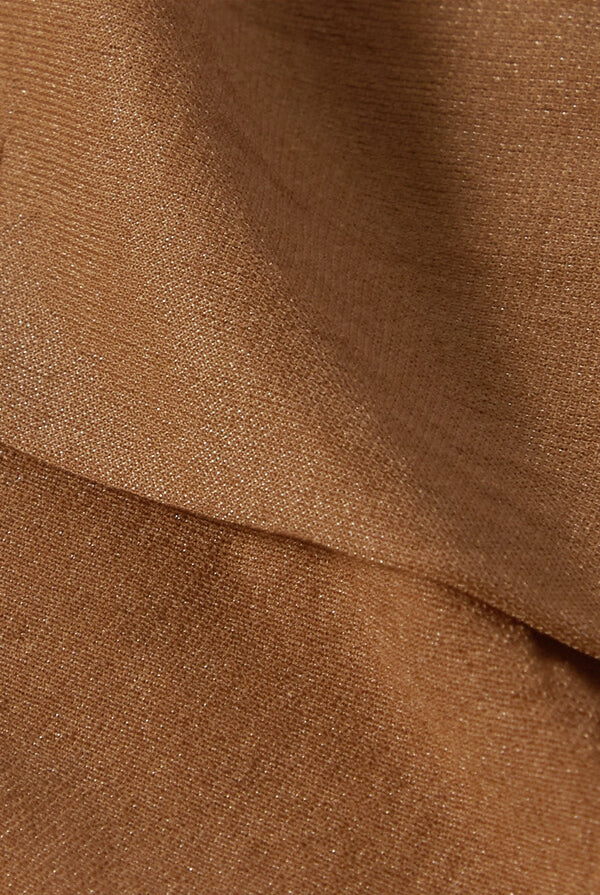
Quality hosiery starts with the end experience and works backwards. The yarn in a pair of Heist tights is engineered to approximately 5,000 nylon spirals per inch of elastane. That number determines how the tight moves with the body, how it recovers its shape through a full day of wear, and whether it holds its position without the slow creep that makes cheaper hosiery bunch around the knee by mid-afternoon. For reference, average tights have about 500 spirals of nylon per inch...We'll let you do the math.
Heist yarn is Italian, recycled, and sourced from mills with specific, industry renowned, and long-standing expertise in hosiery construction.

The part most tights get wrong
Most tights have a gusset.
The gusset is the part that sits at the crotch, often twisting and becoming uncomfortable. It is also the part that fails first — the join under the most tension, the seam most likely to give.
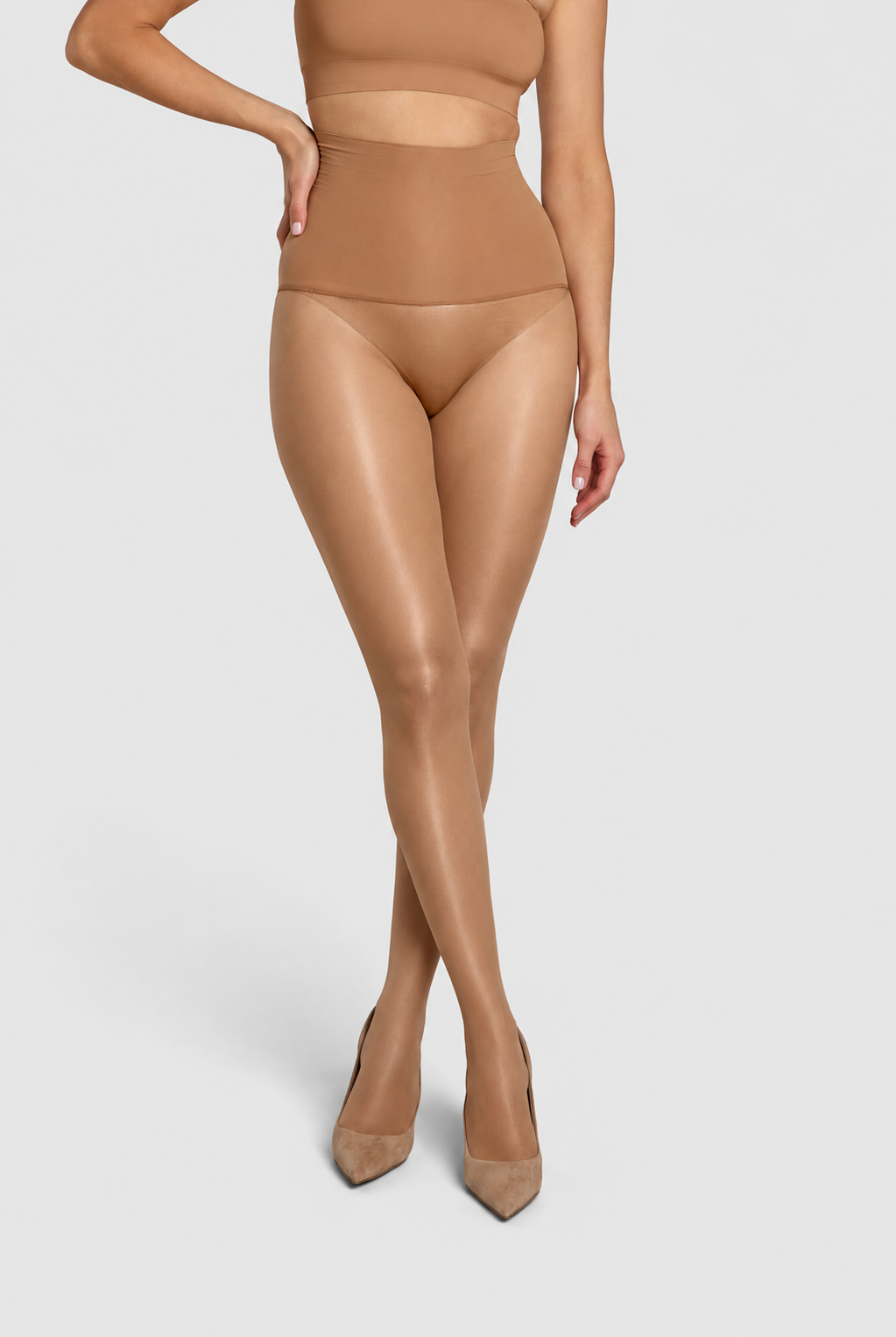
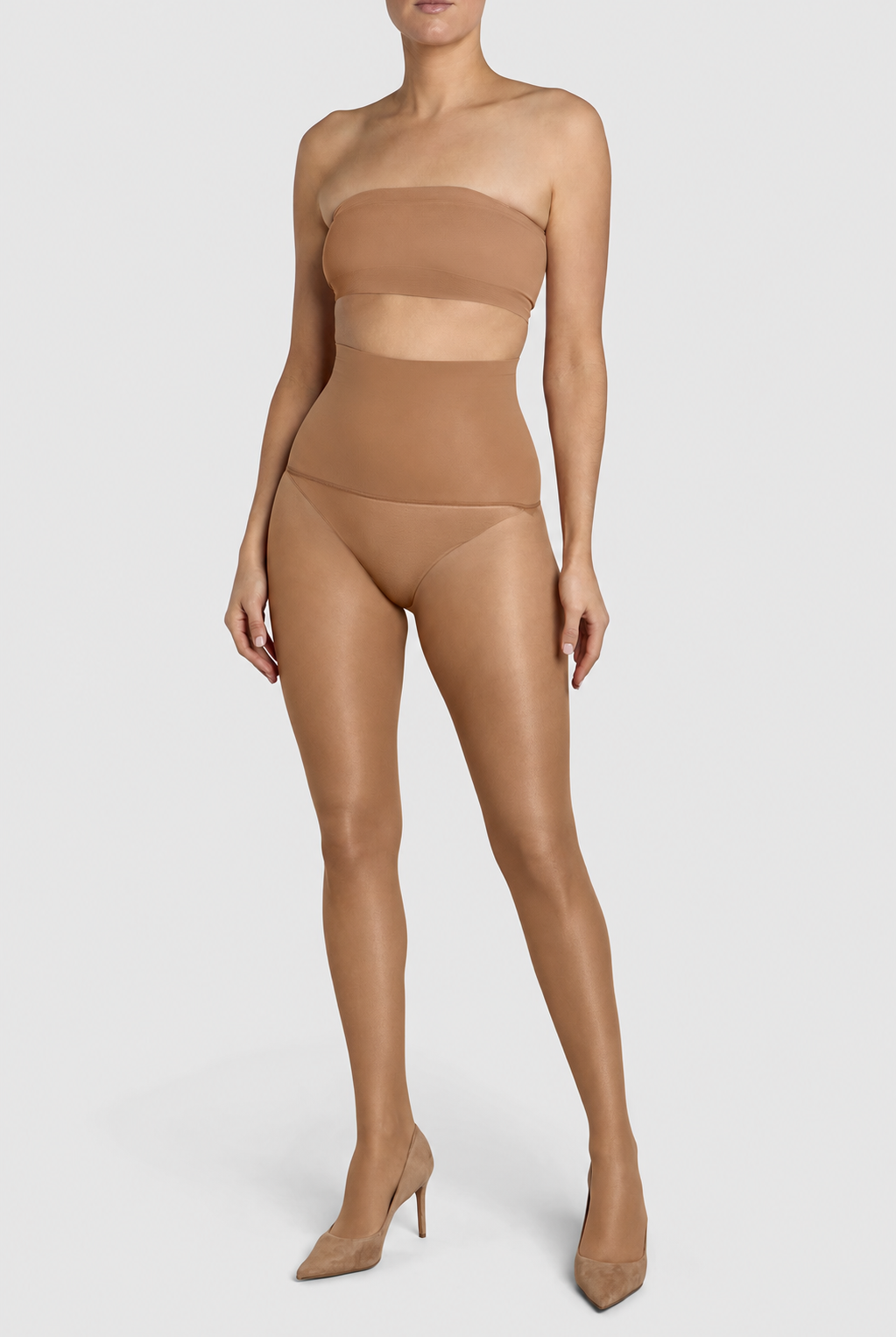
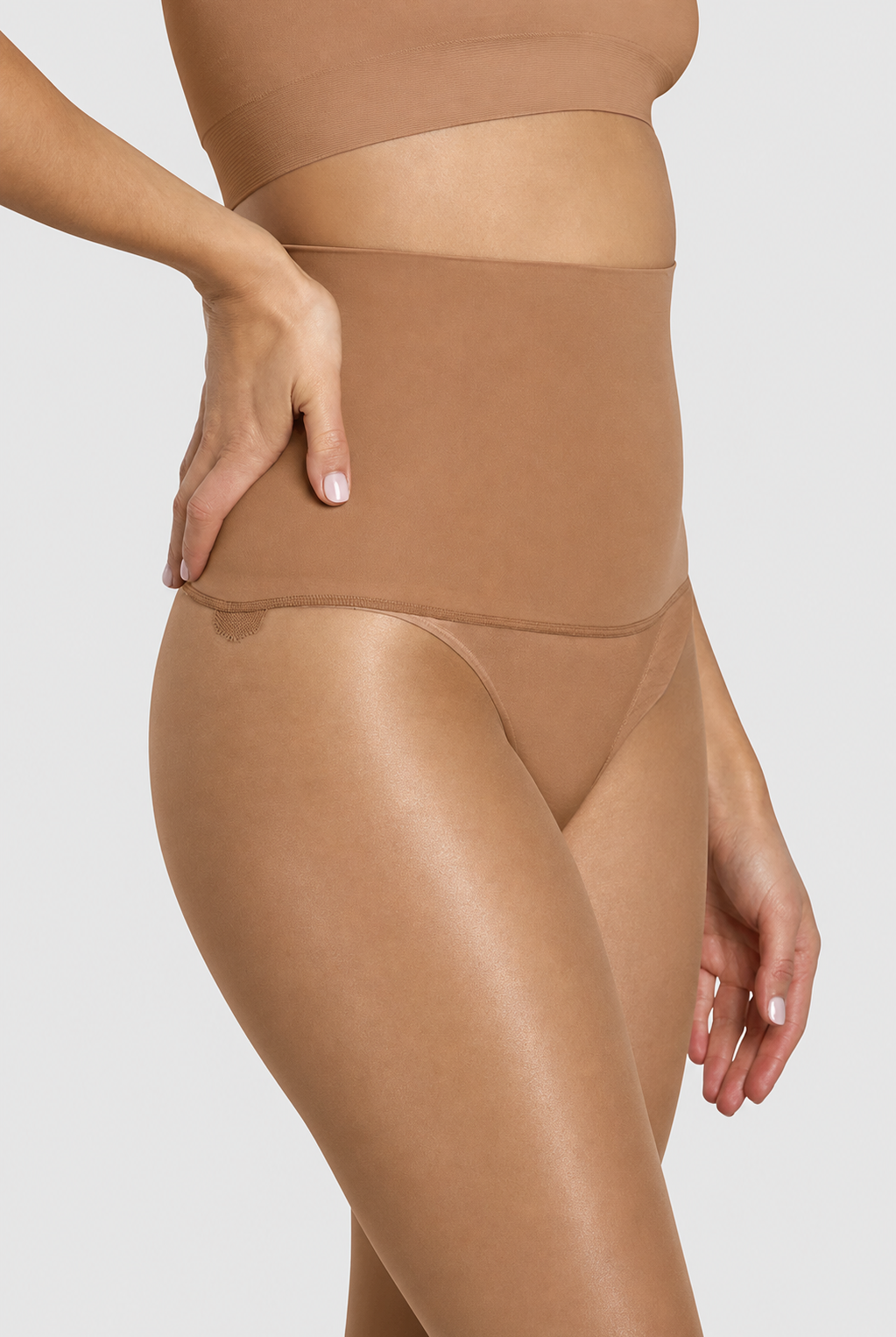
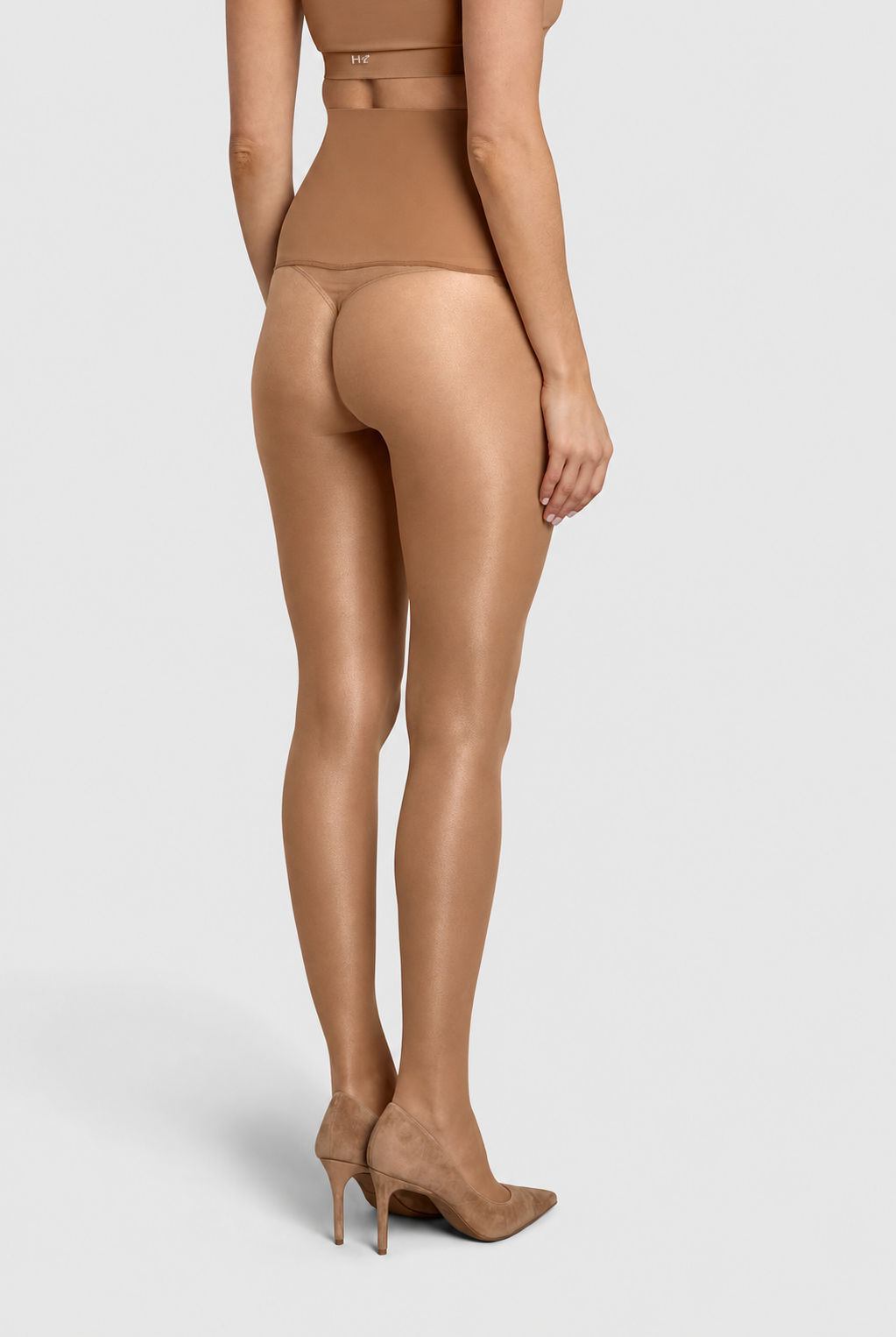
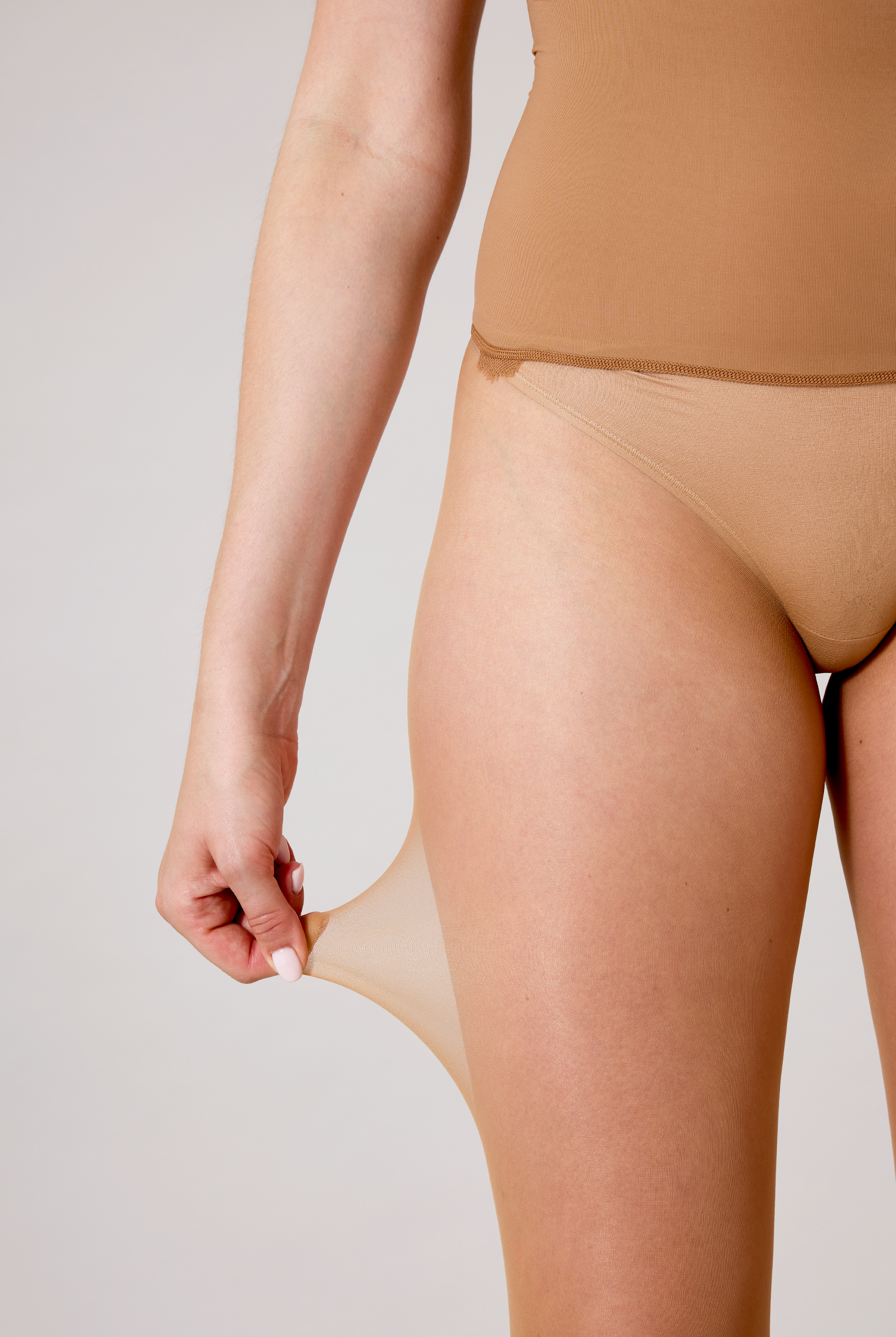
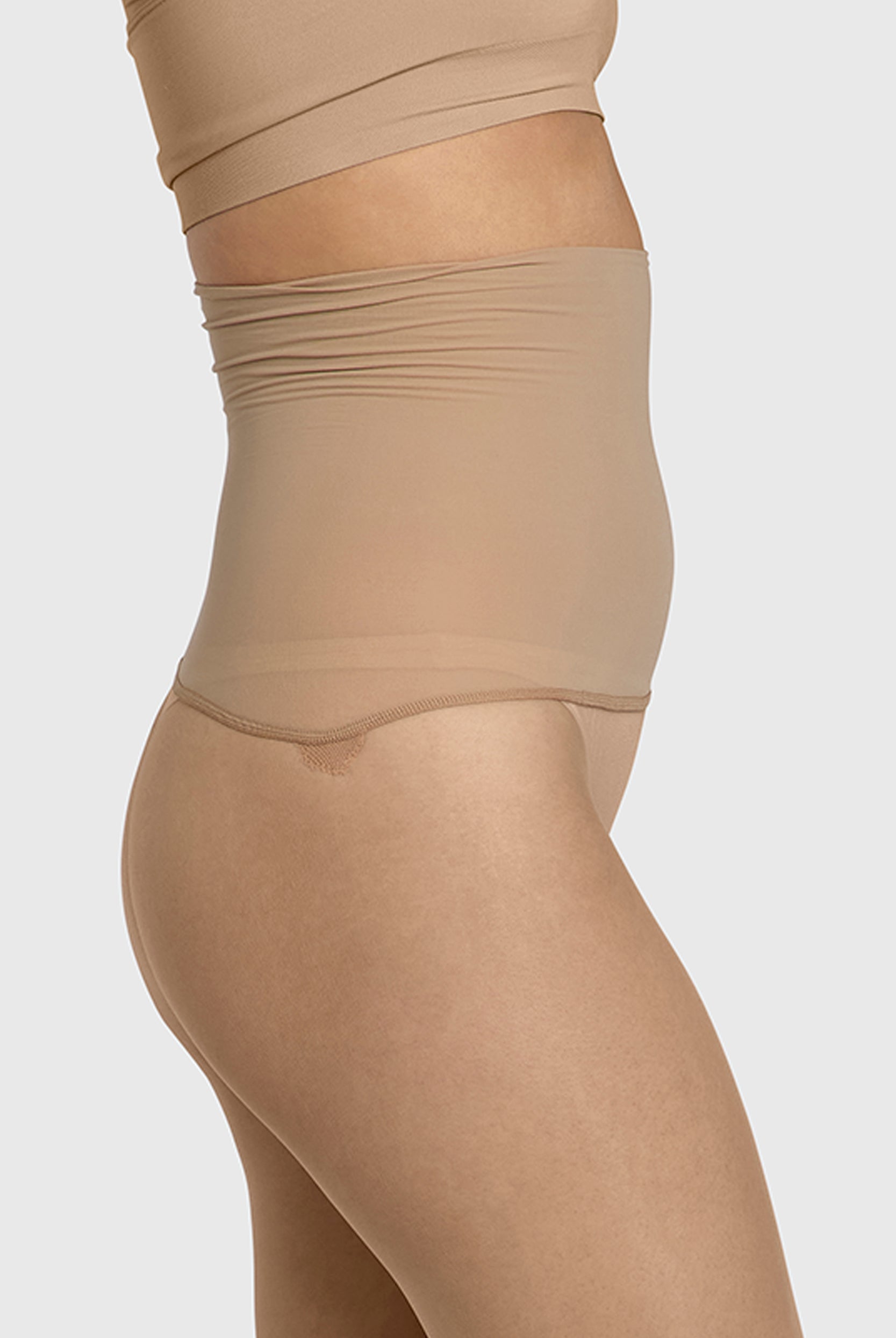
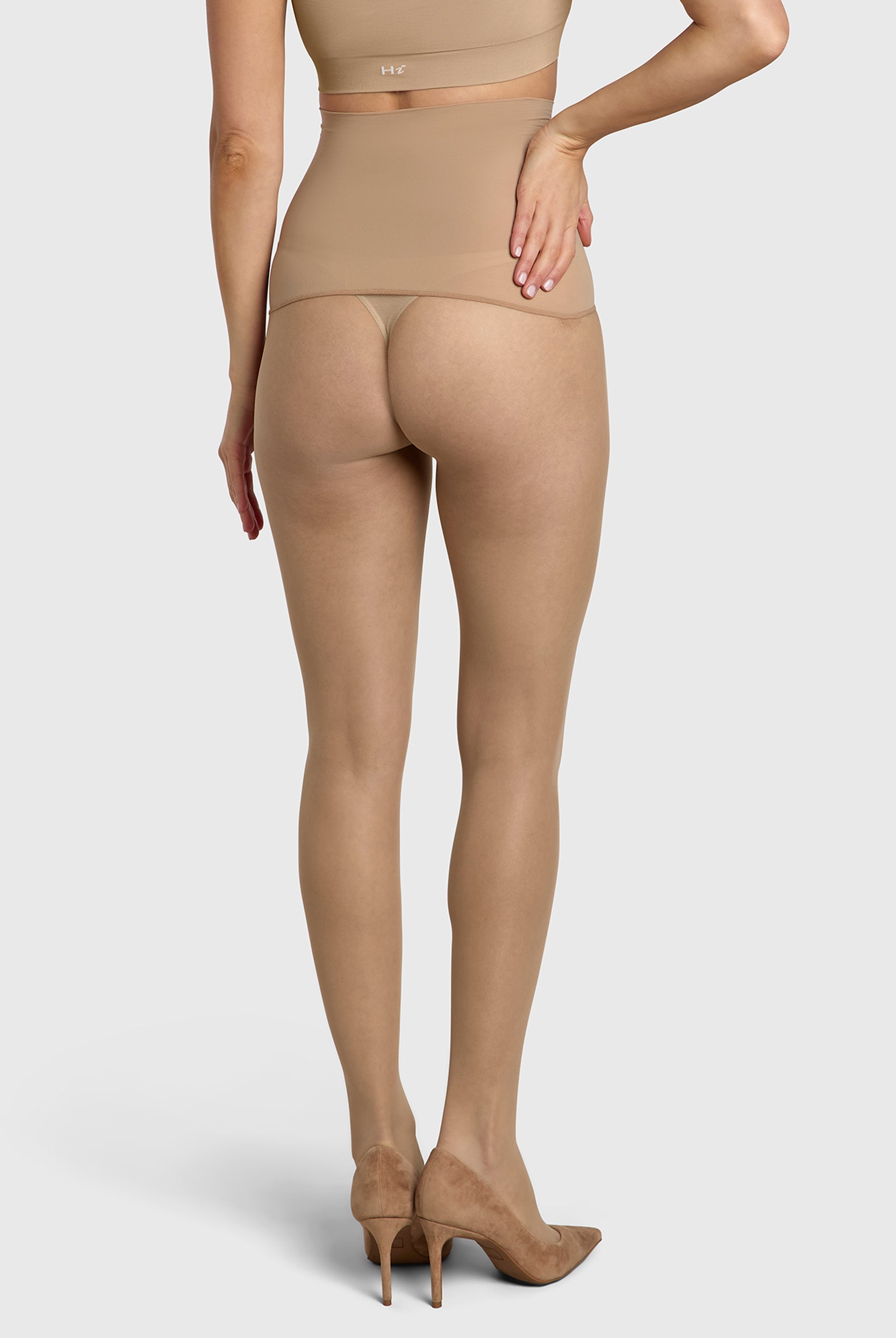
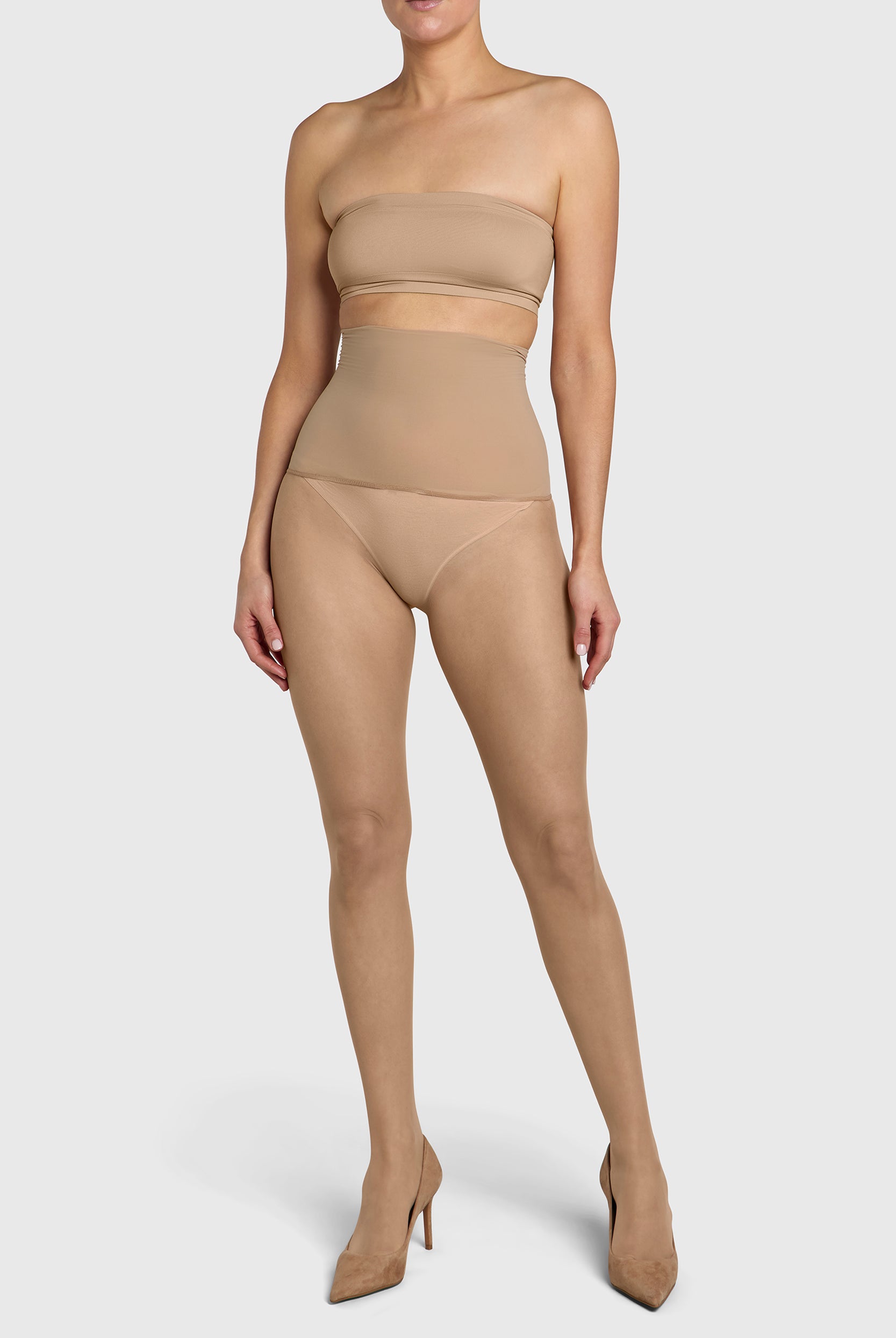
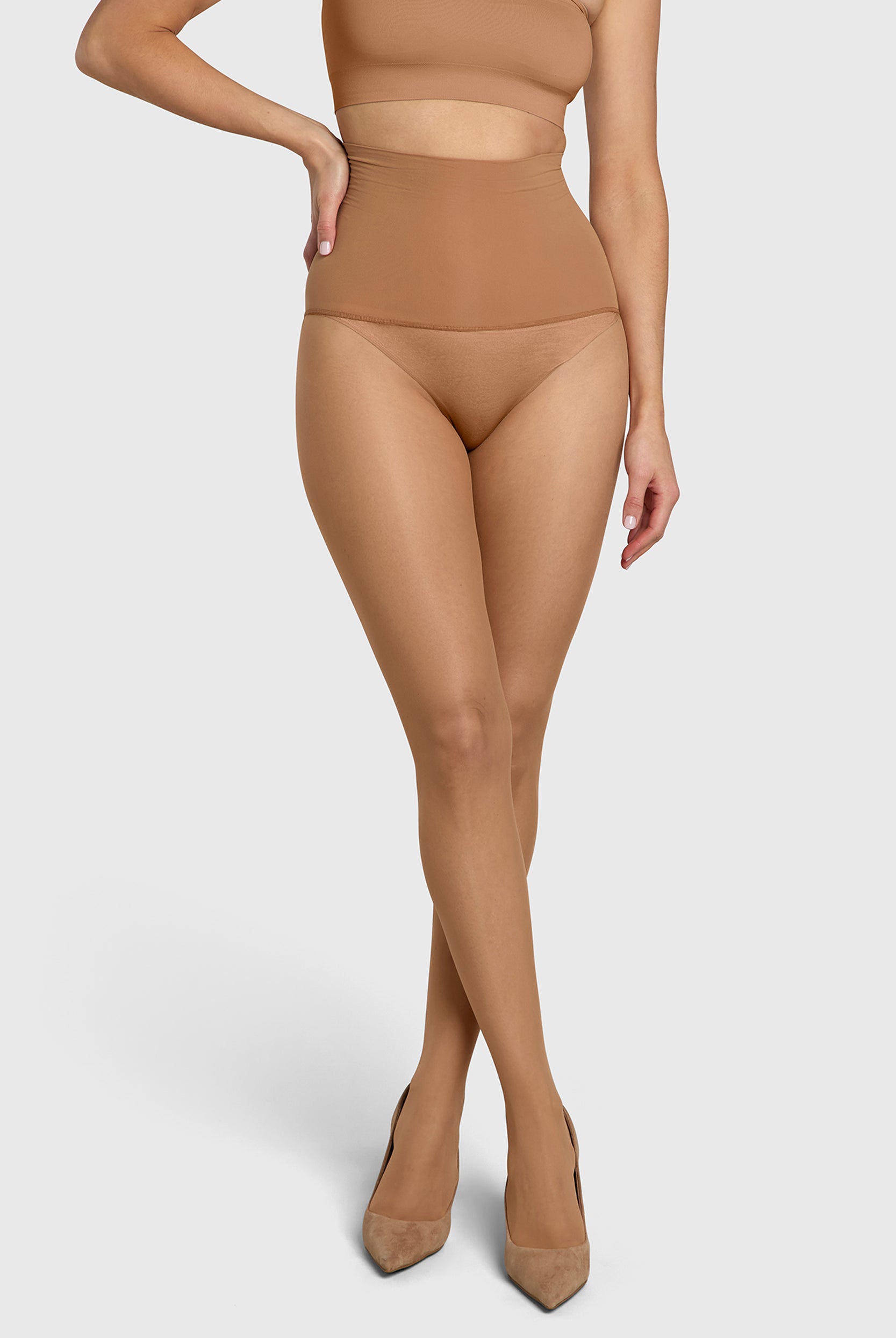
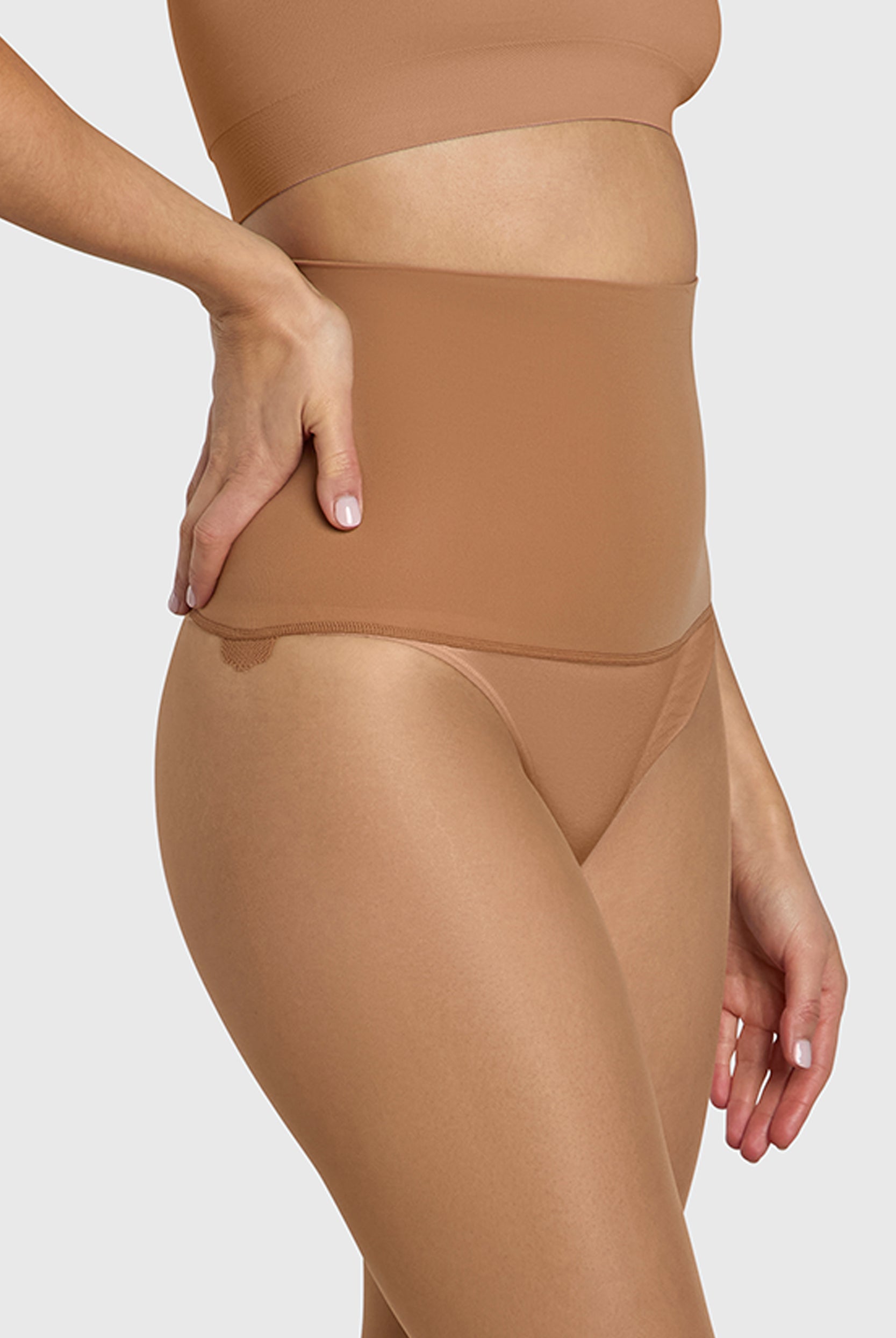
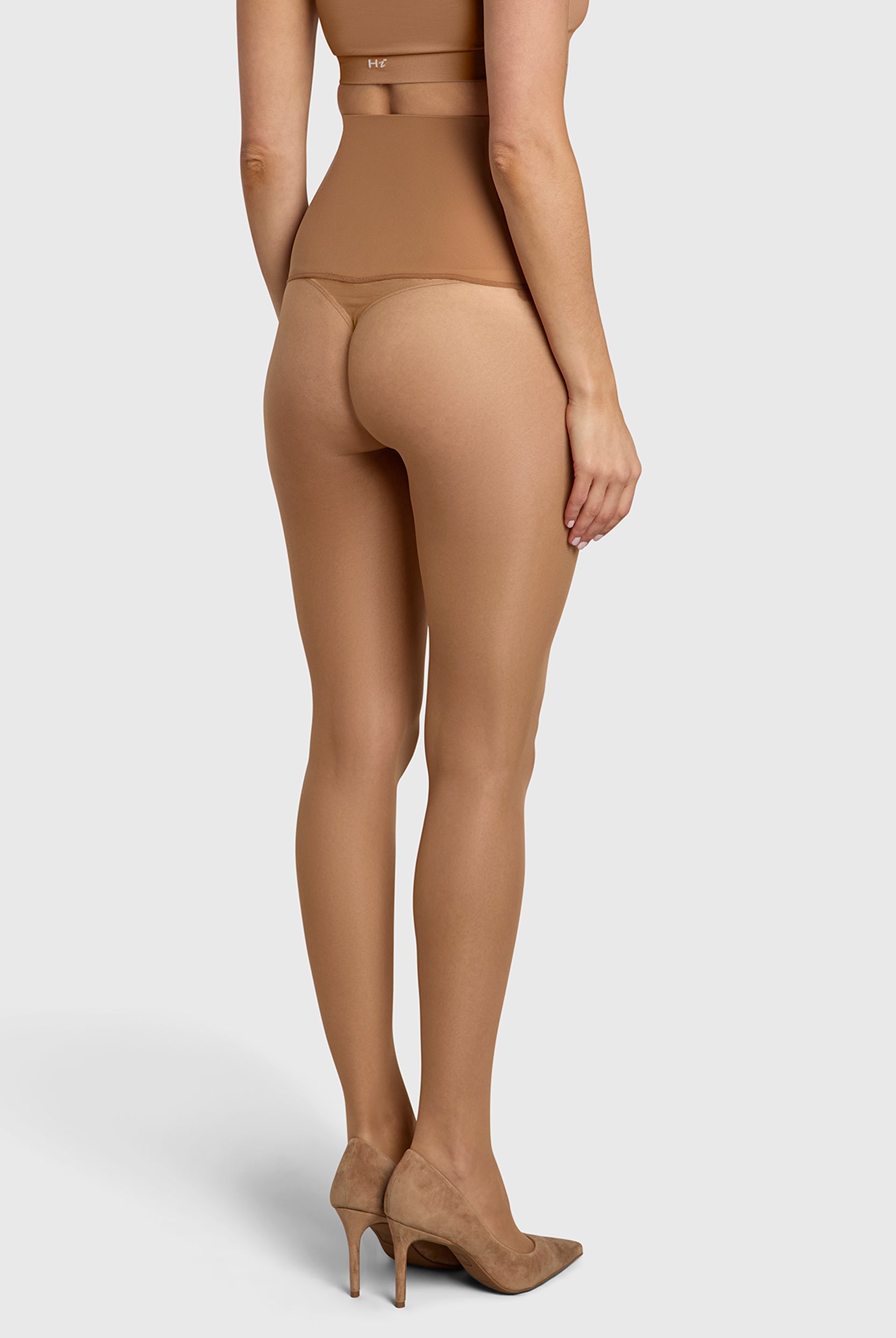
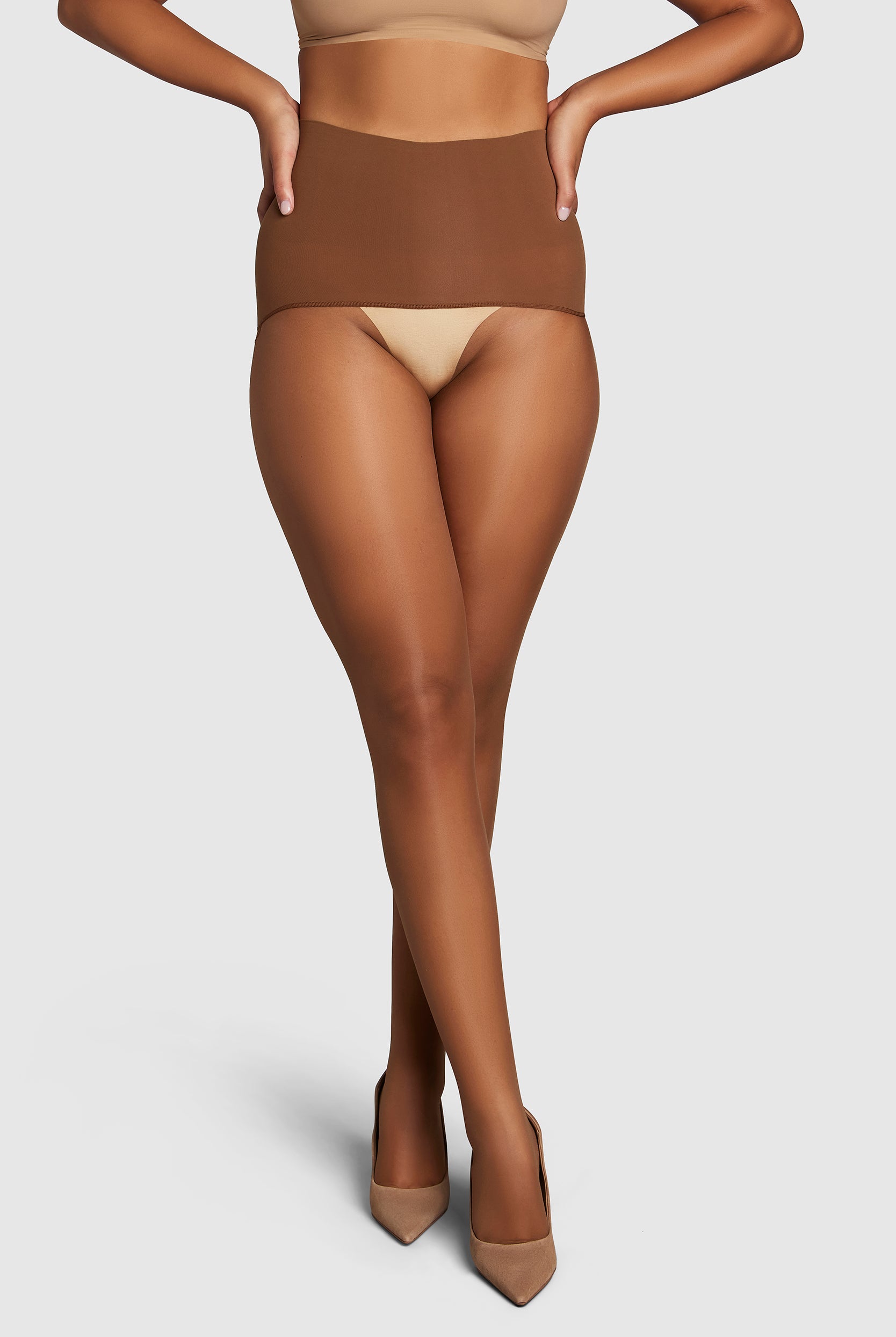
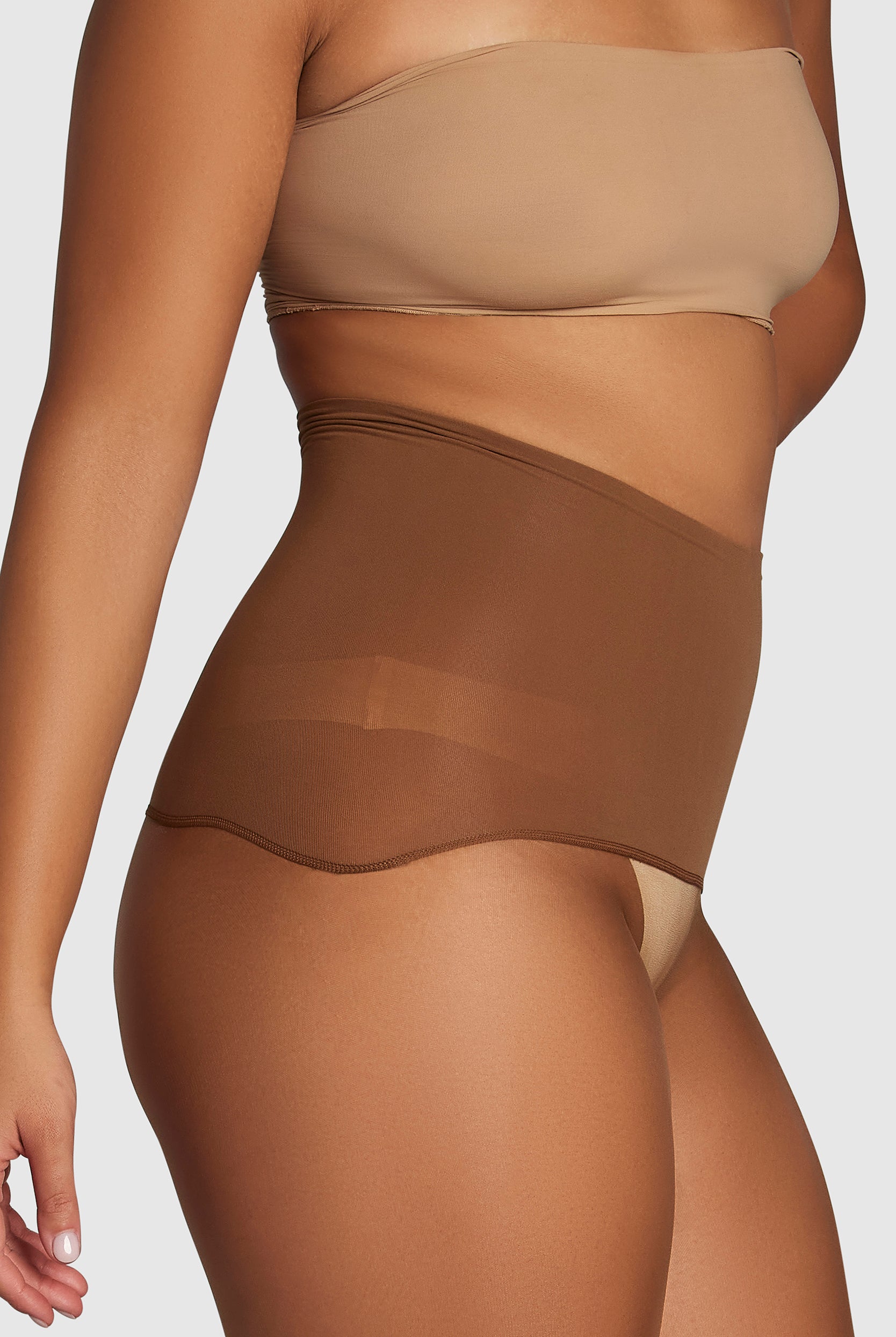
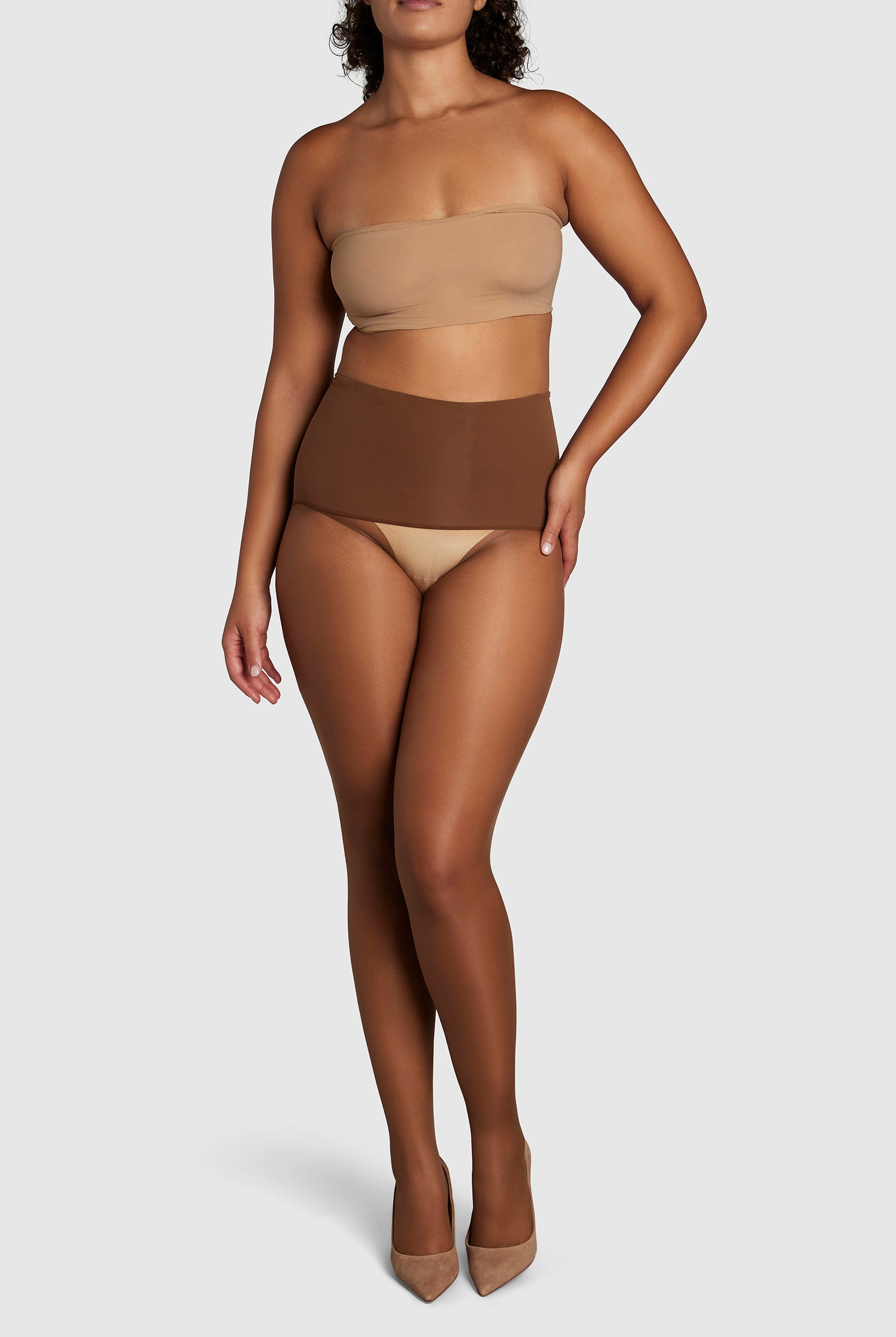
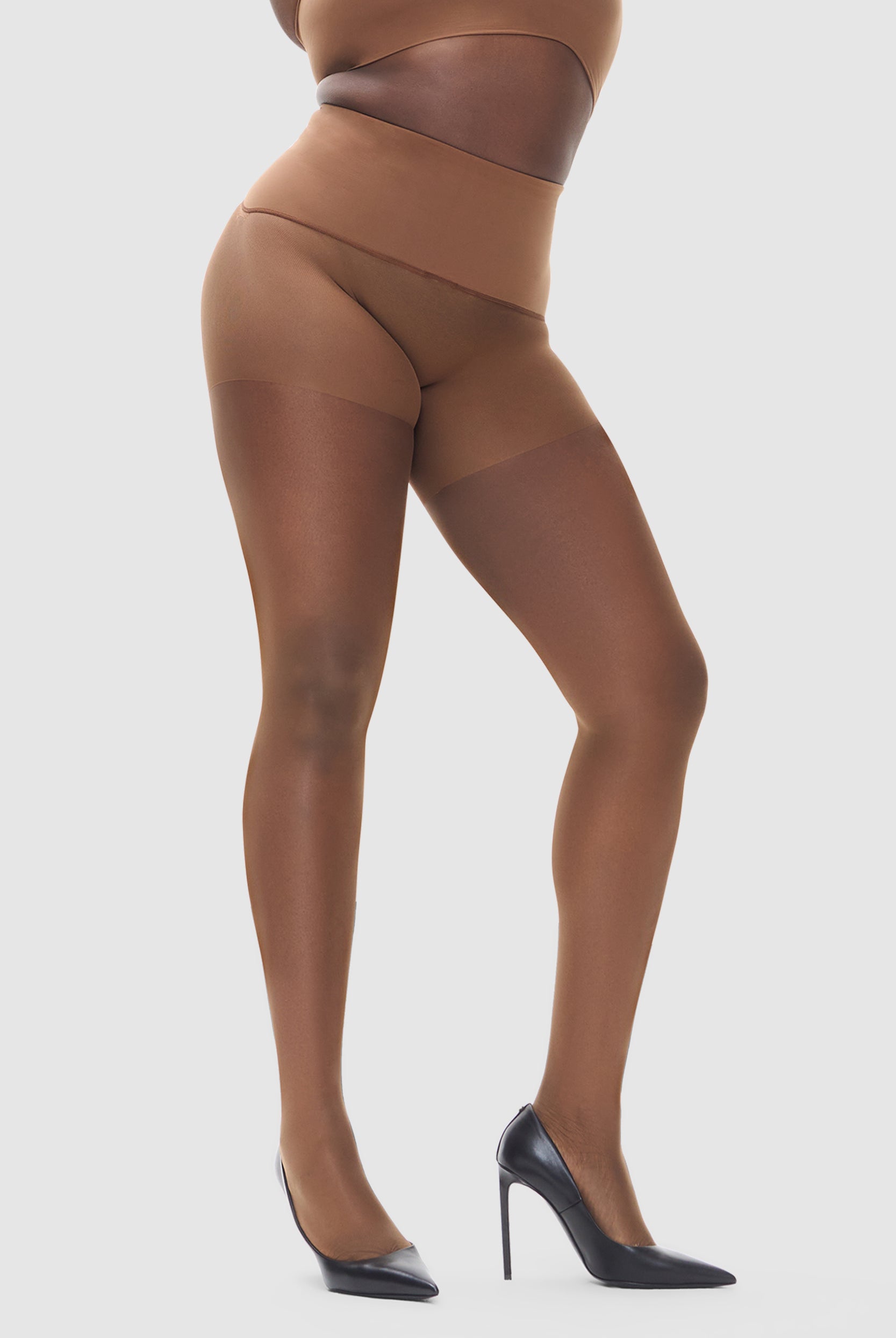
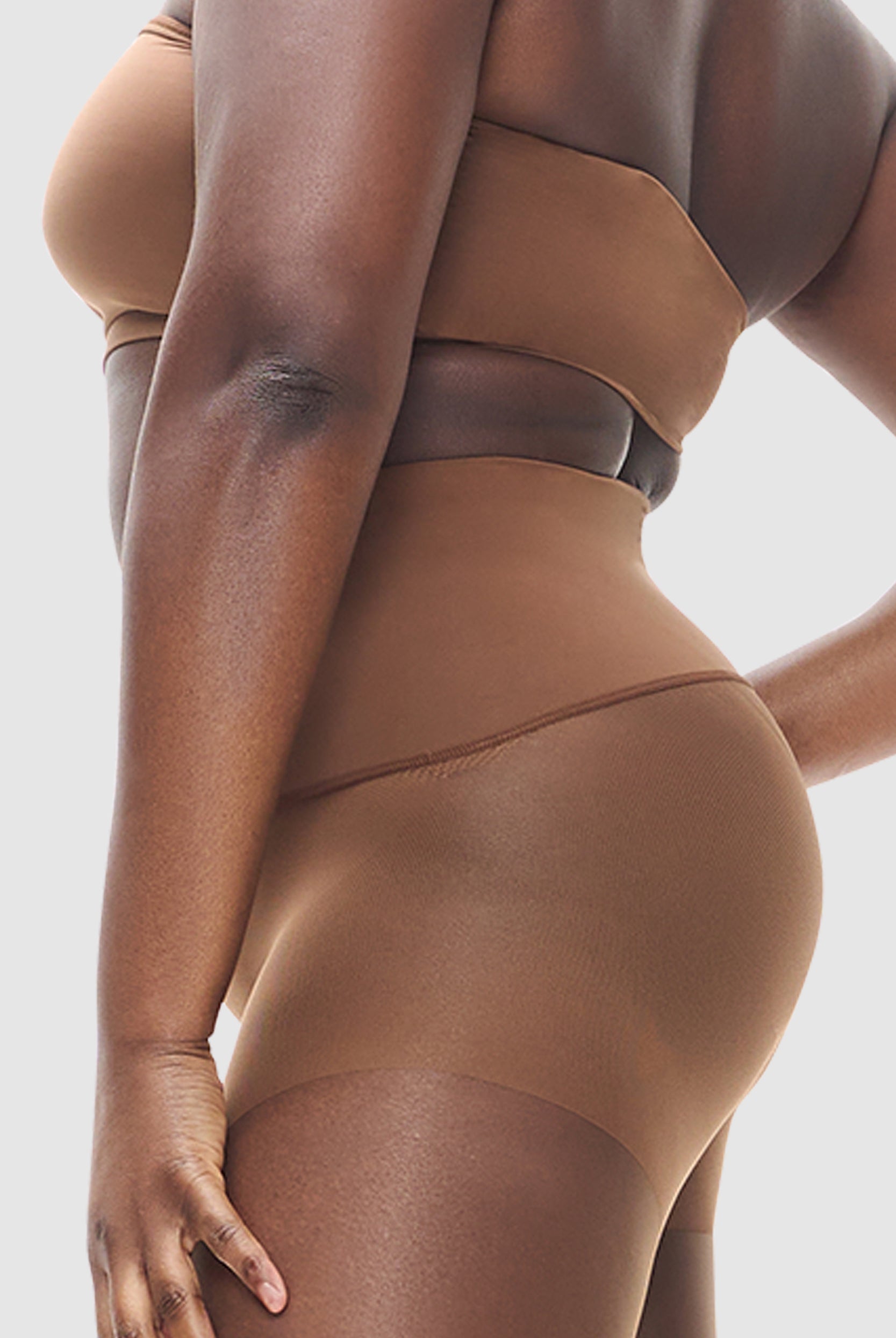
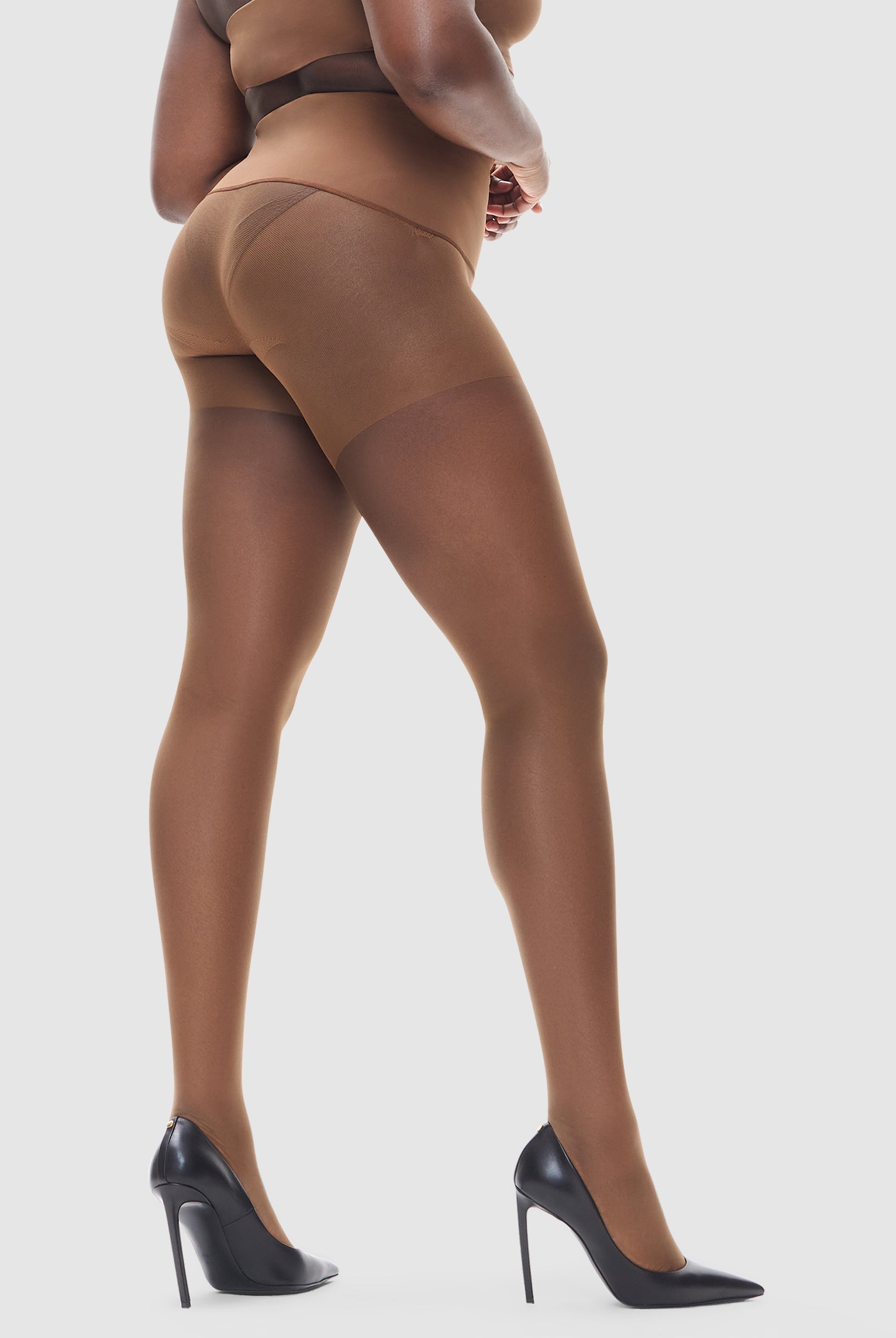
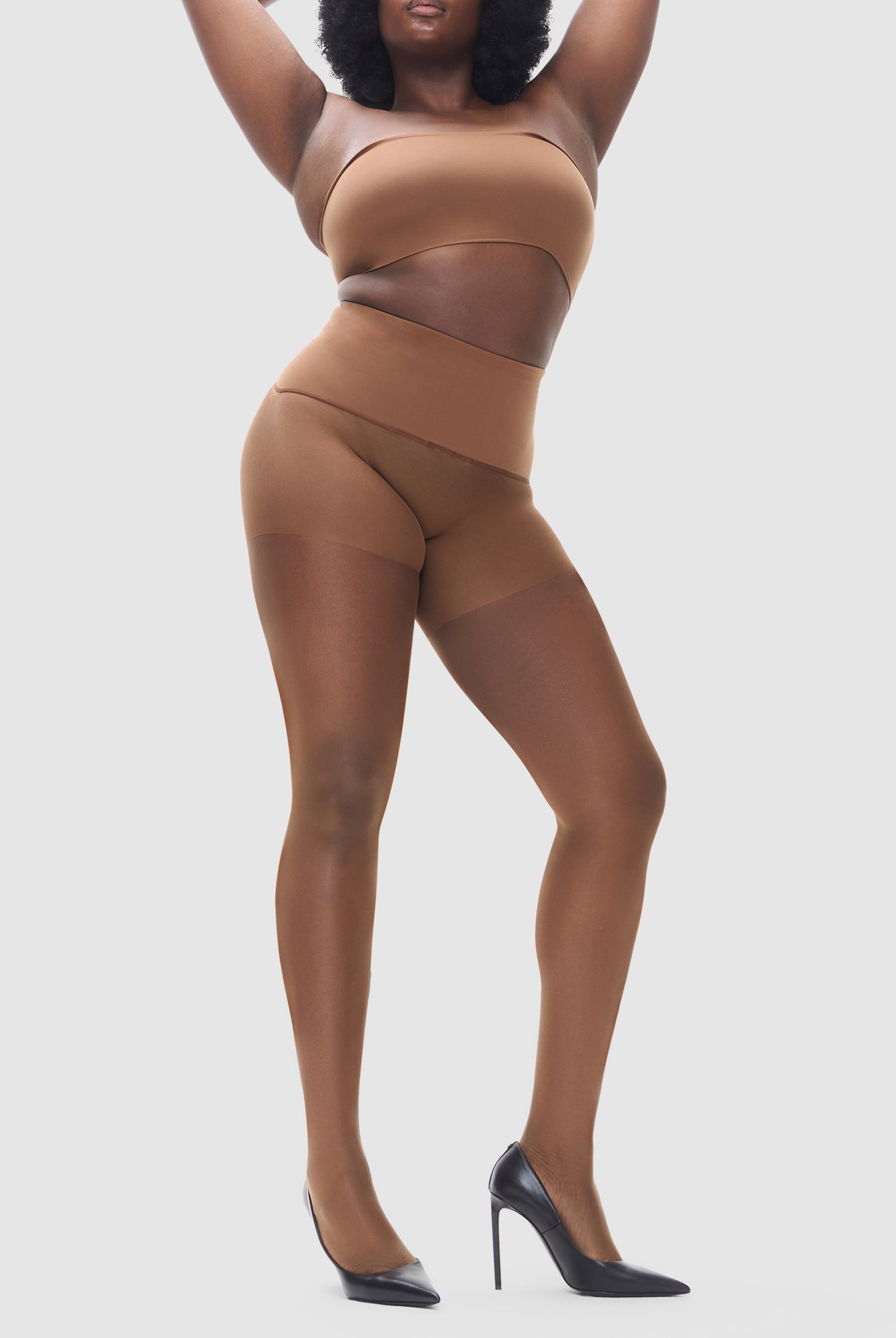
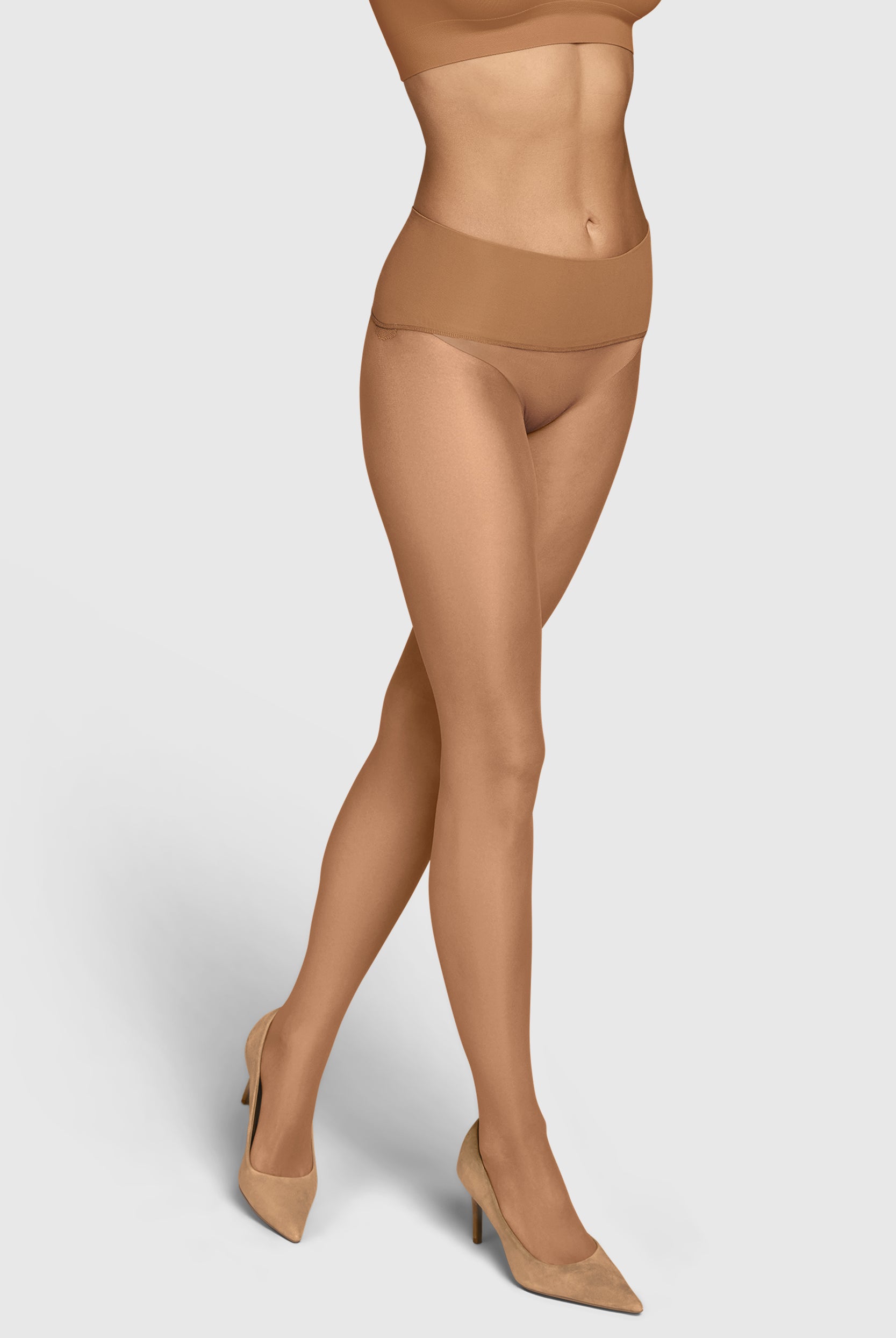
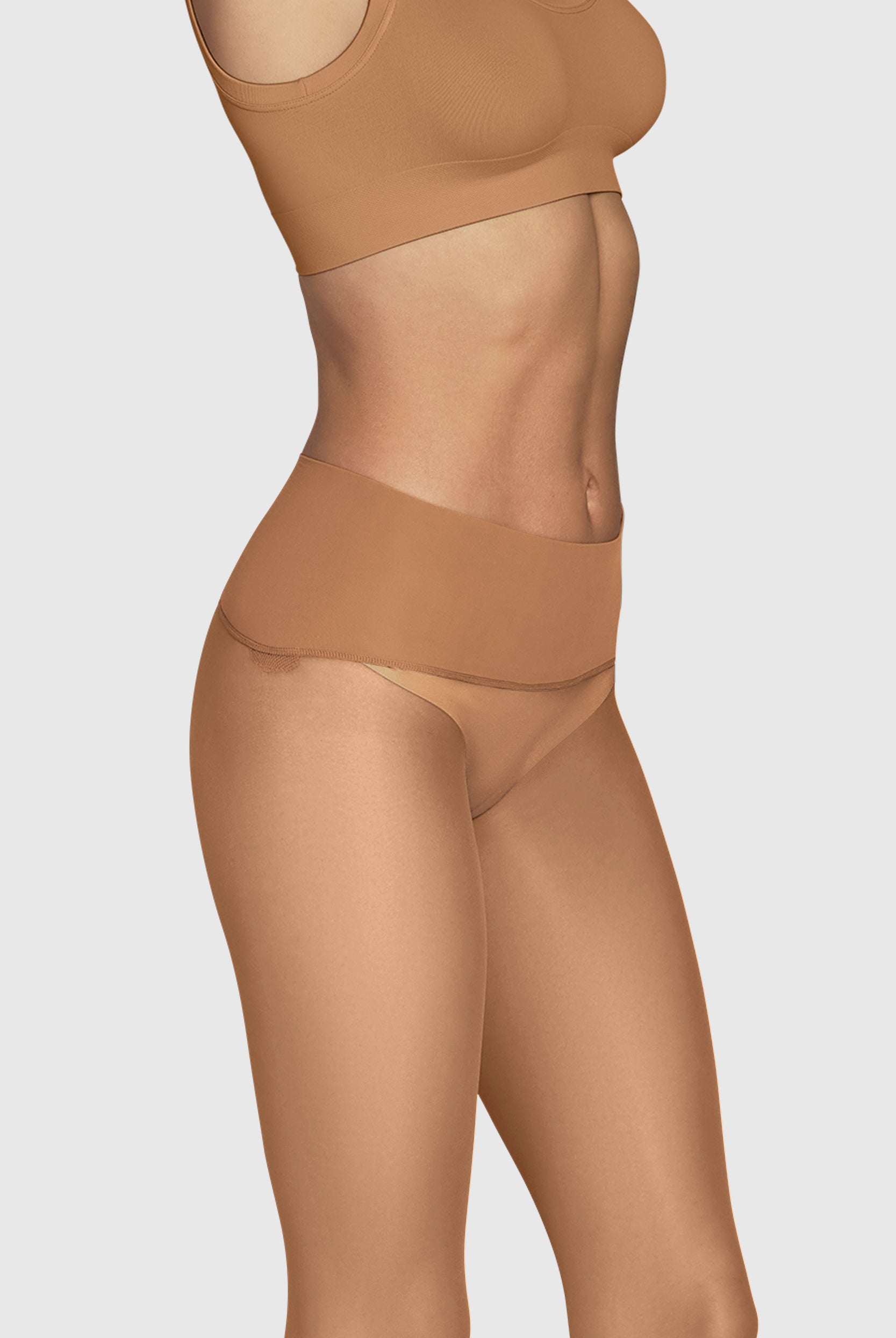
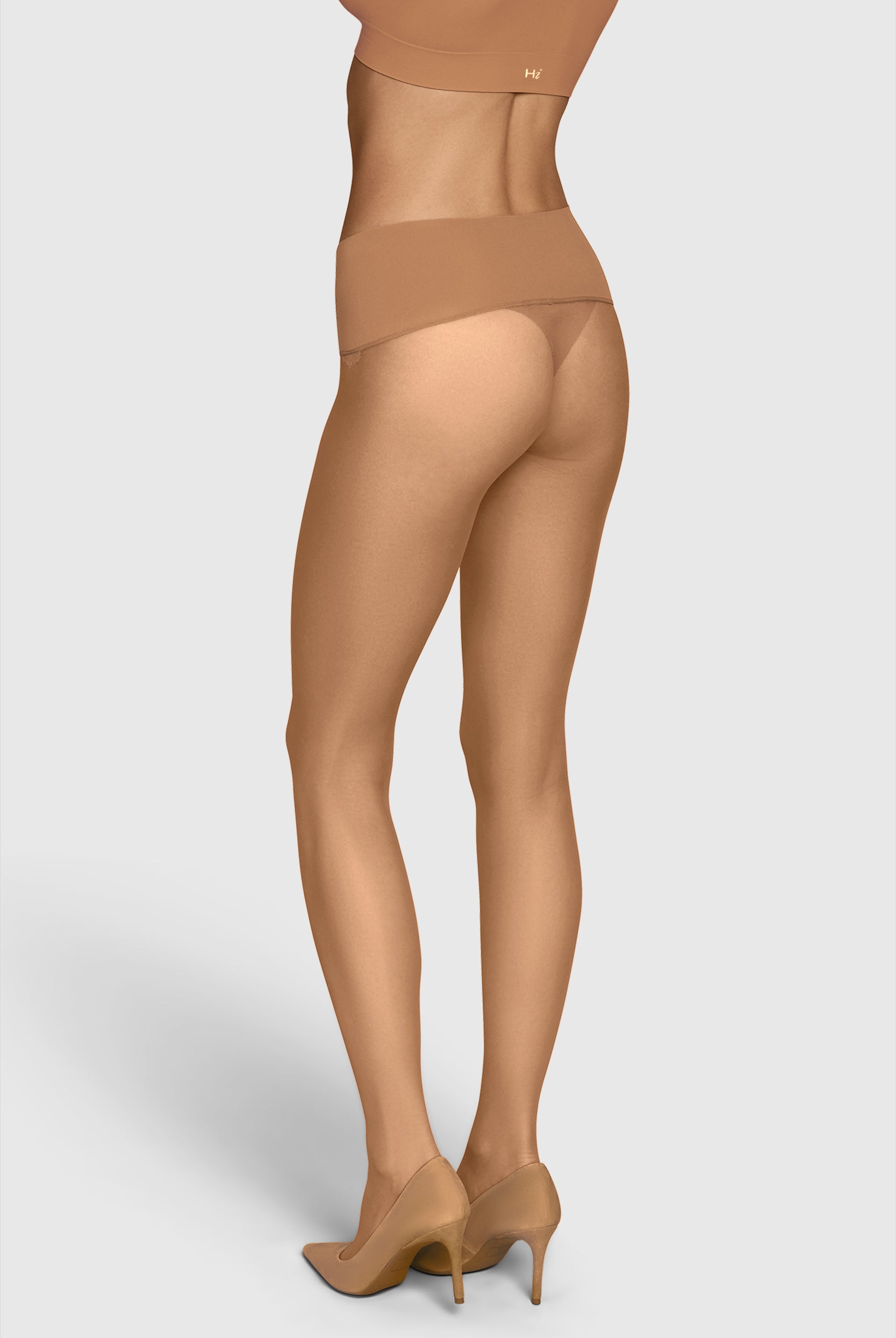
Heist tights are gusset-free. The legs of our tights are constructed as a single seamless piece with a special, 360-degree knit machine. No joins means no twist point, no structural weak spot, and nothing to bunch or shift through the day. Our waistbands are hand-sewn rather than knitted in, so they adapt to the body rather than digging into it.
It is a harder way to make a tight, and not every factory can do it. The cost of that construction is part of the price, but also part of the durability of our tights.
Perfect Tights Cost More
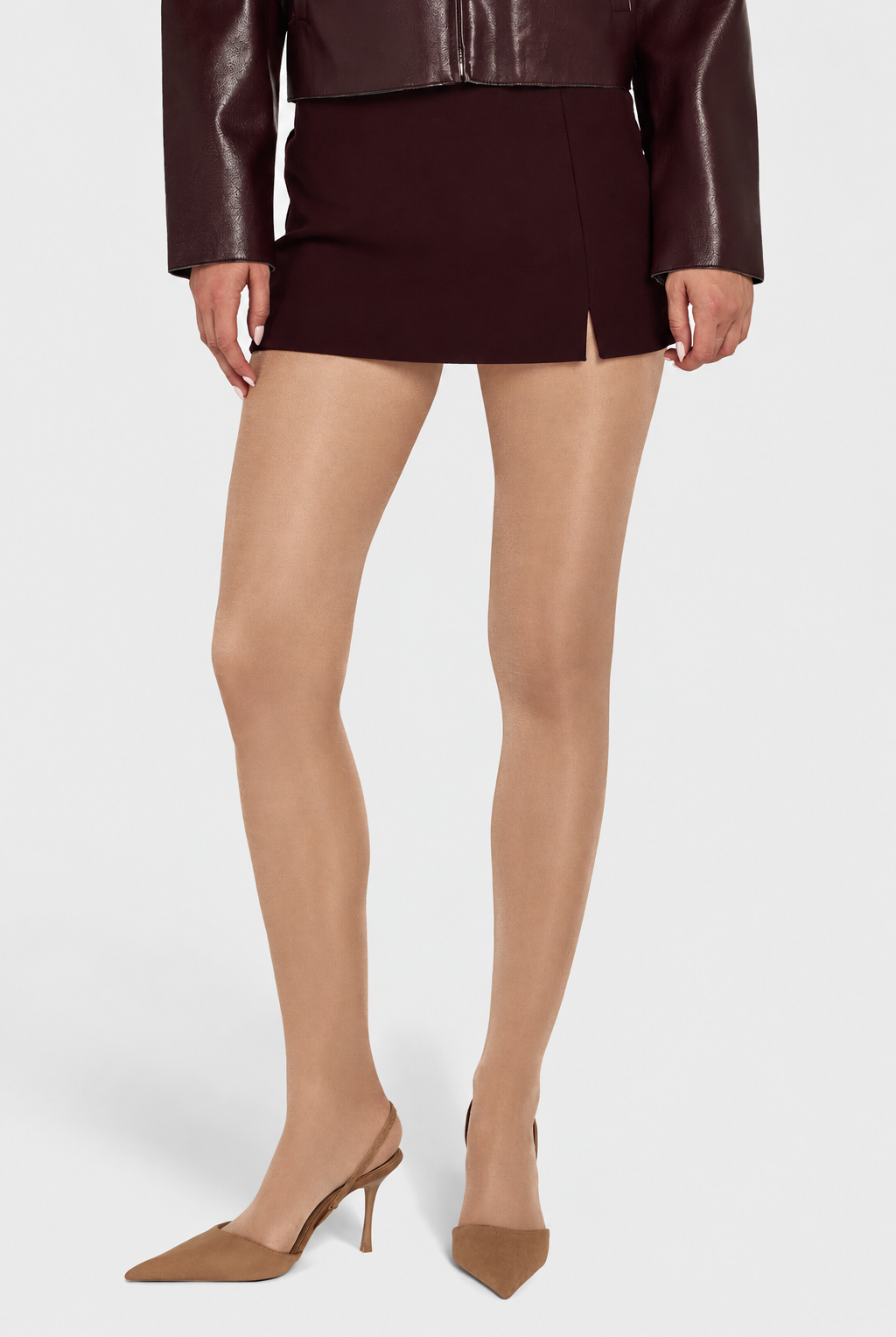

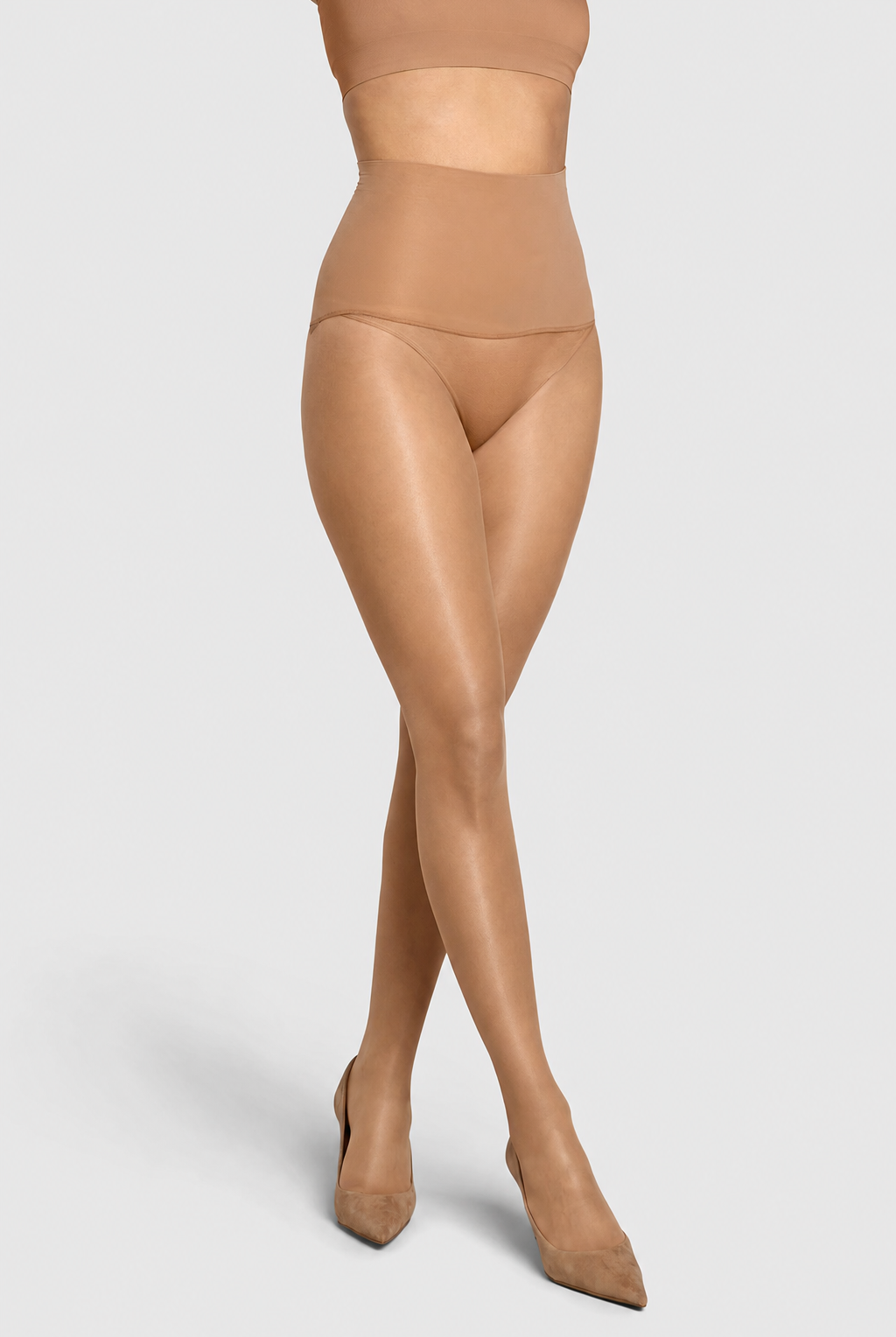
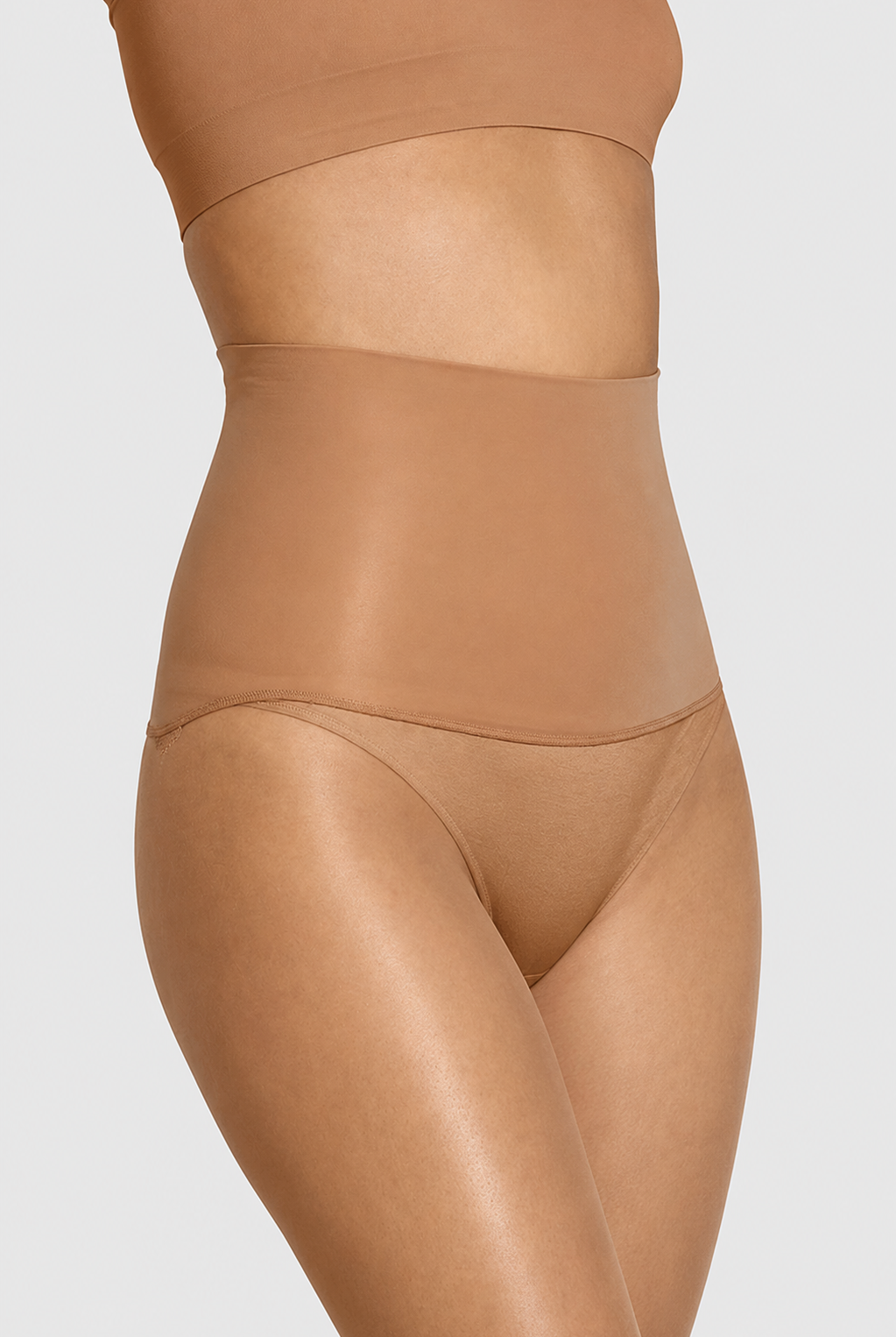
The Satin Nude Semi-Opaque Tights Shade 20
Regular price
£35.00 GBP
Shade 20
X3 or more - 15% off
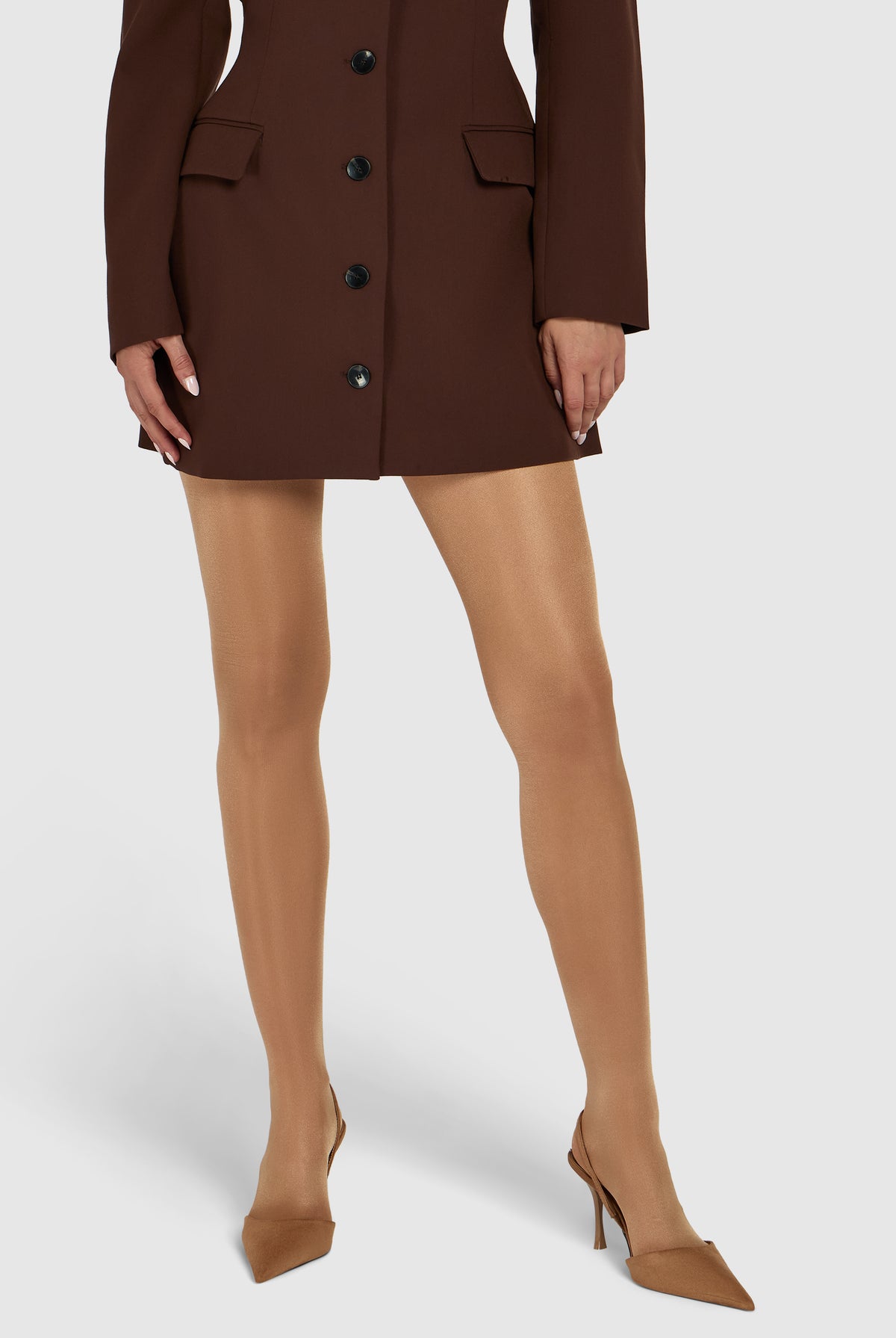


The Satin Nude Semi-Opaque Tights Shade 30
Regular price
£35.00 GBP
Shade 30
X3 or more - 15% off
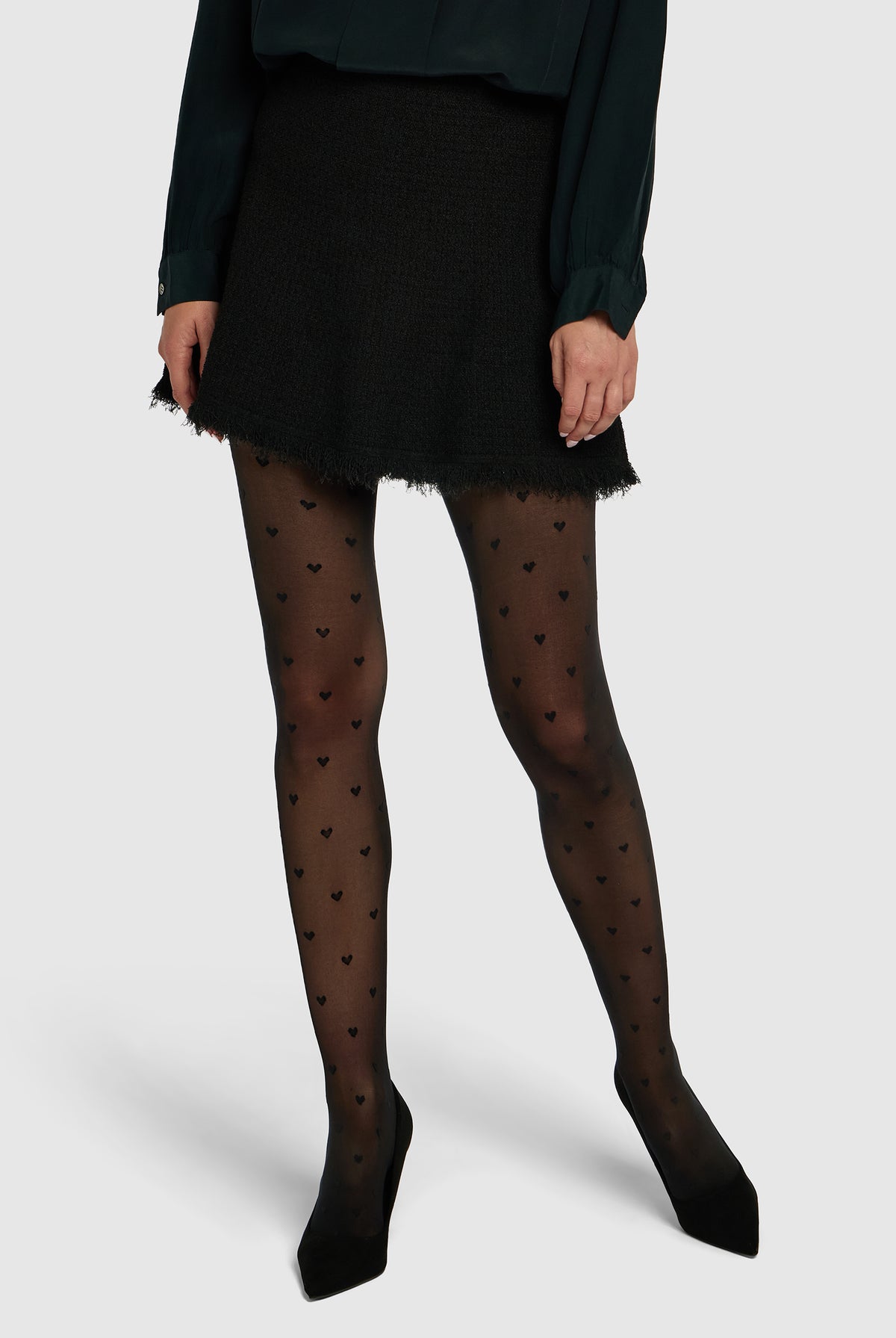

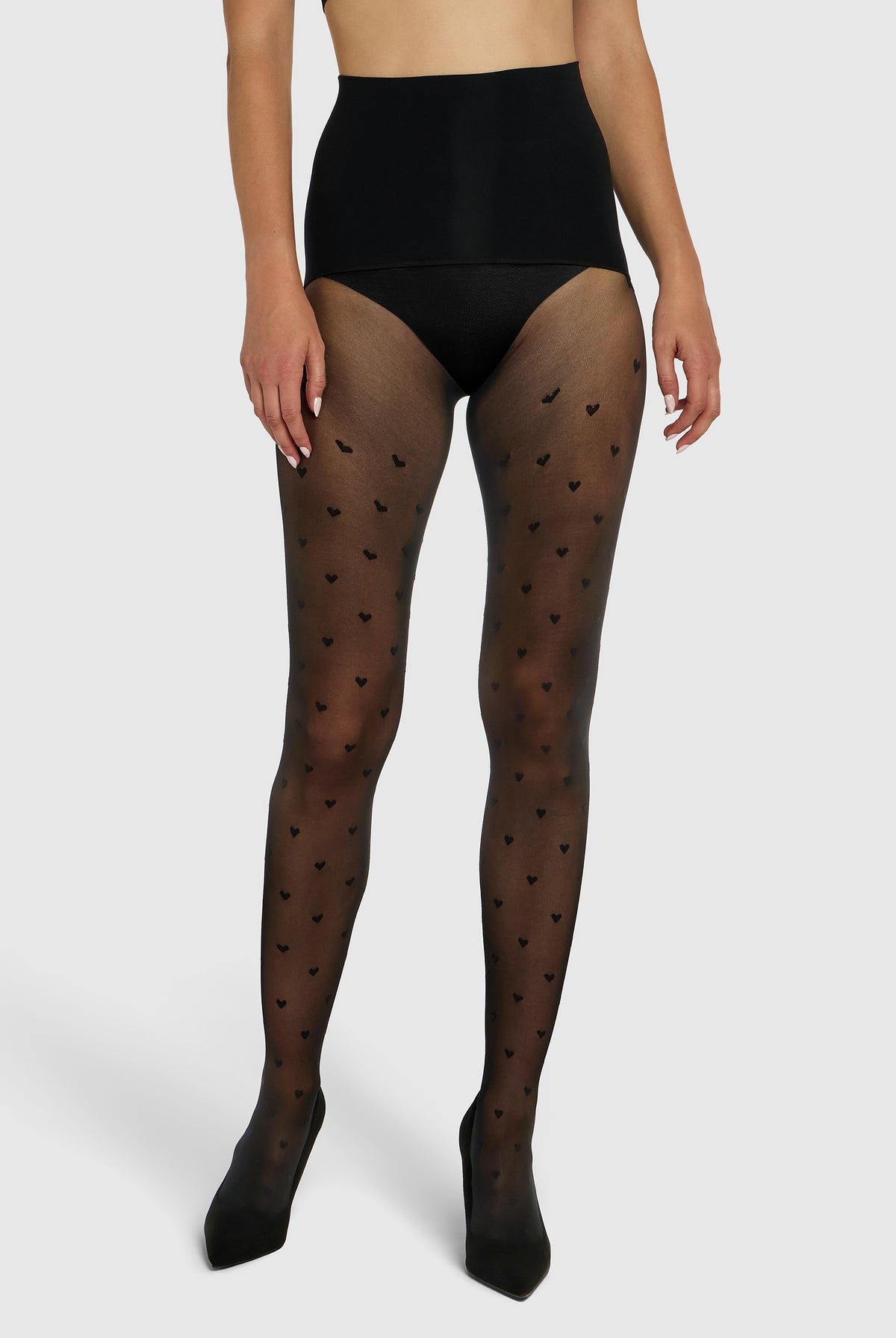
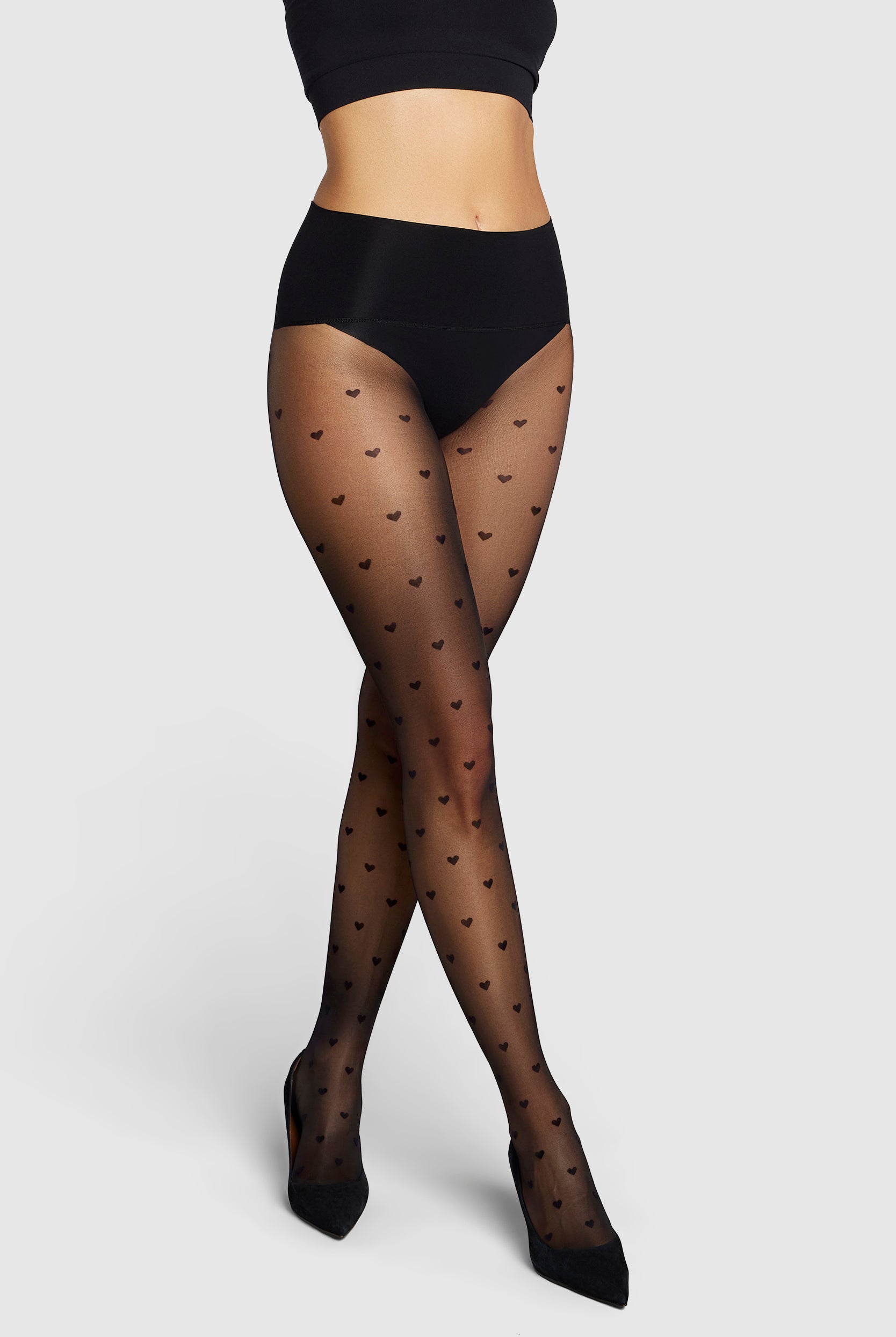
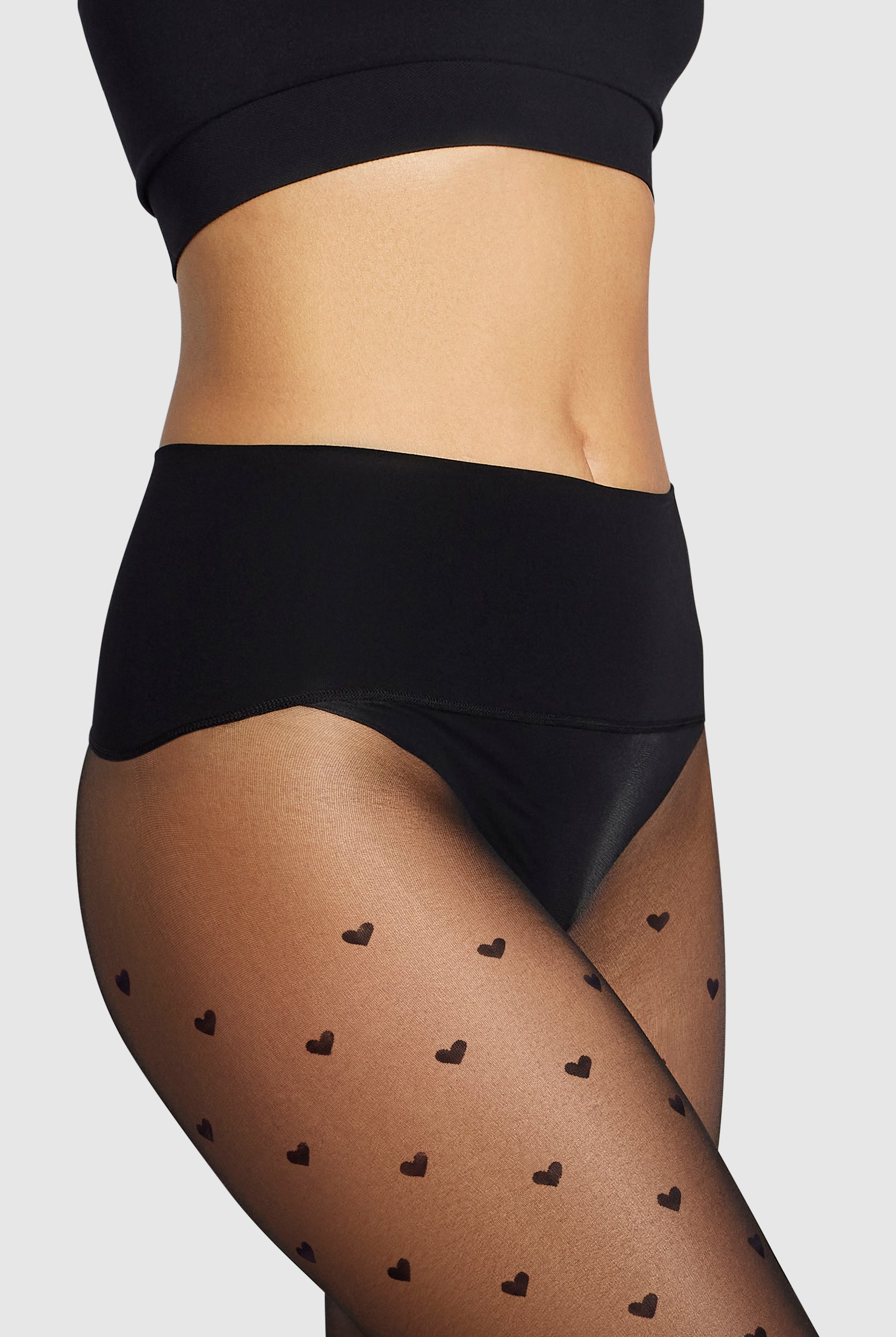
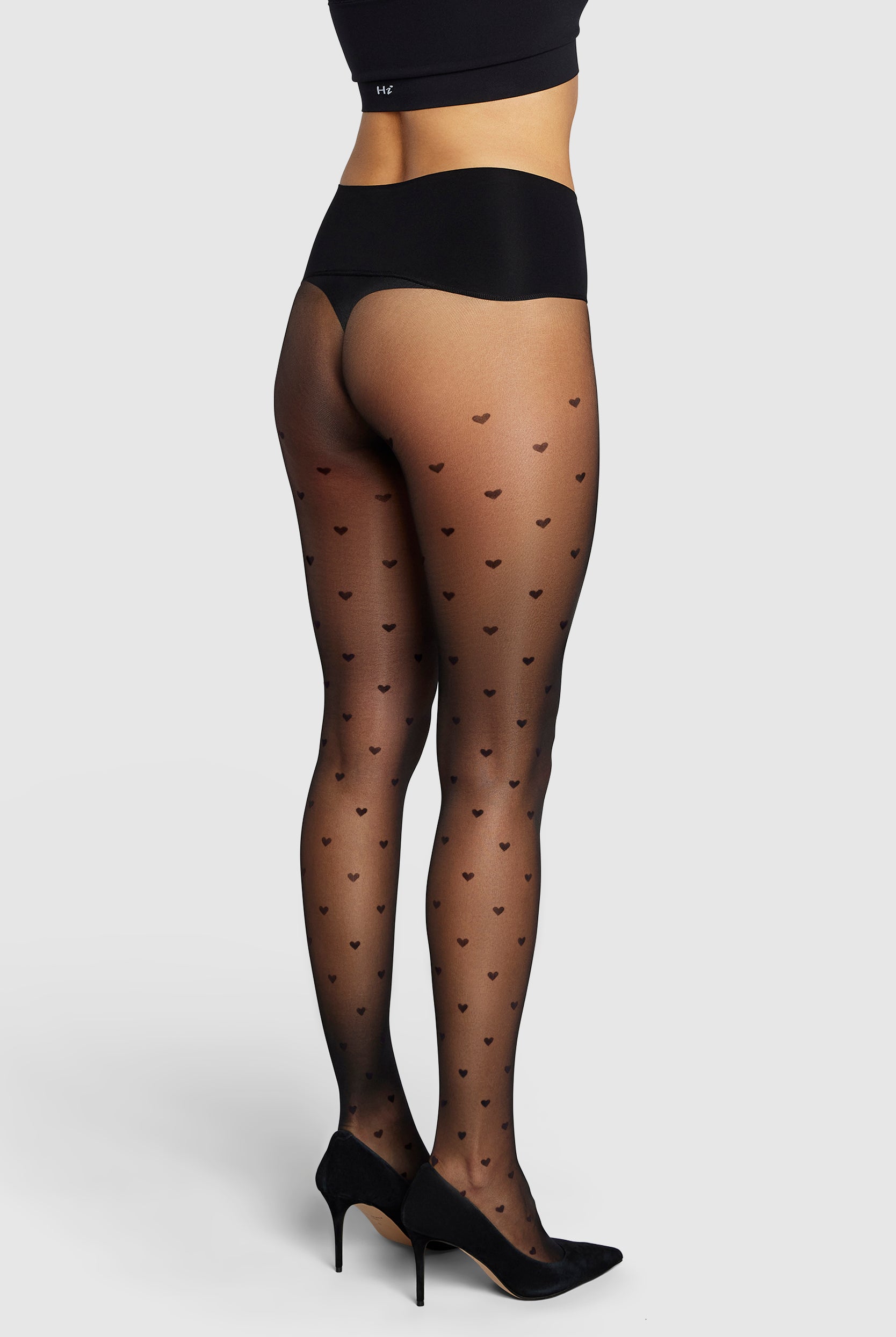
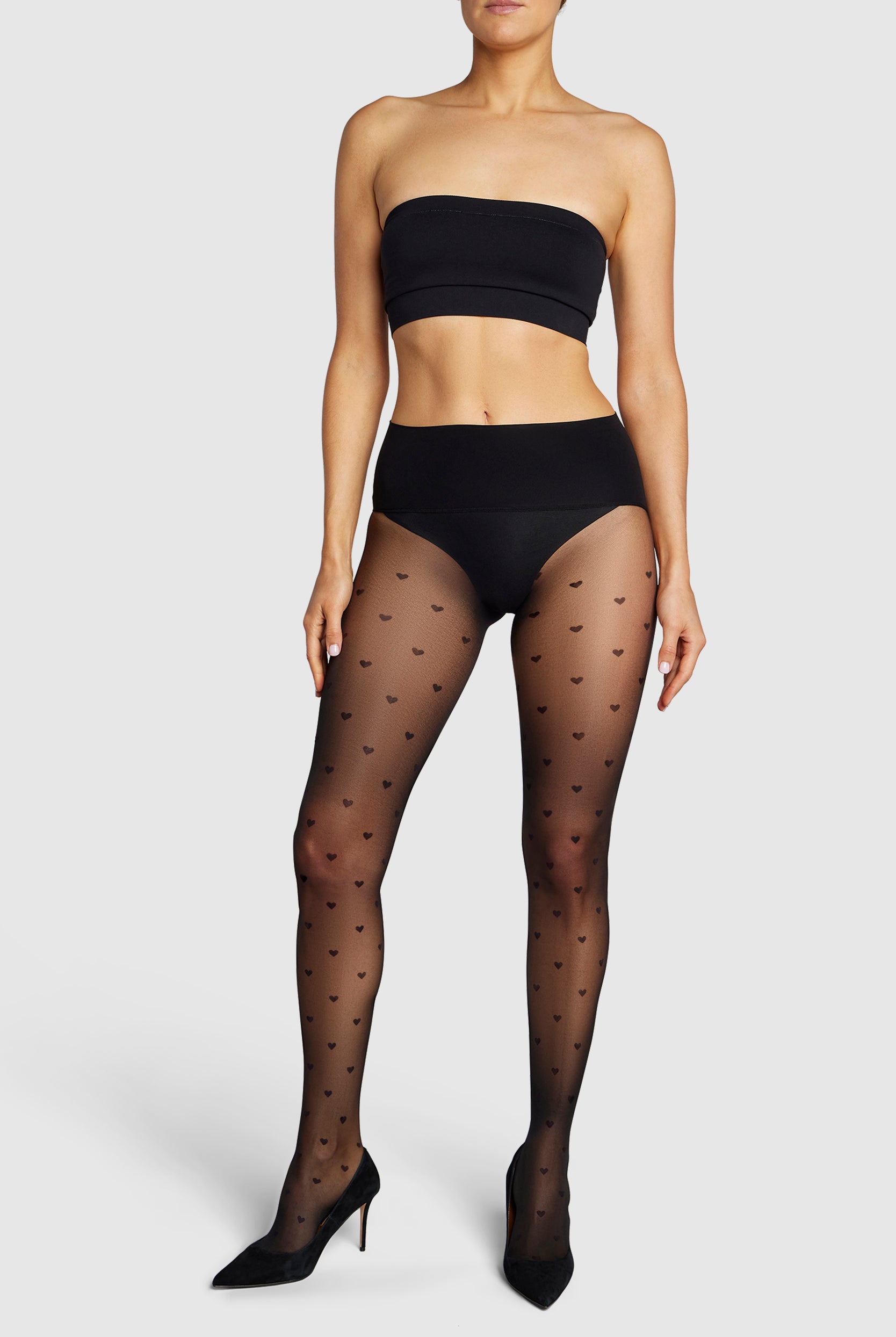
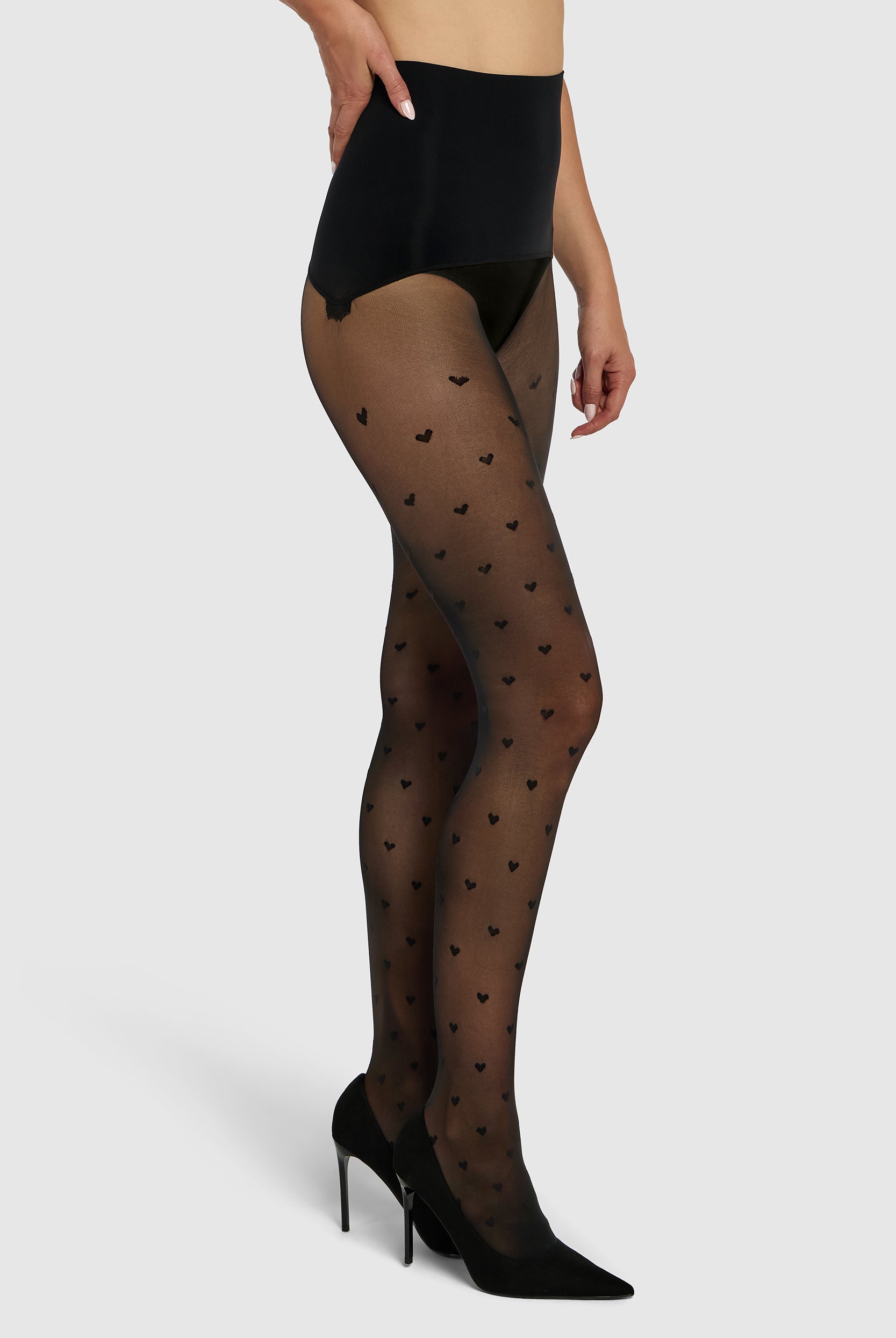
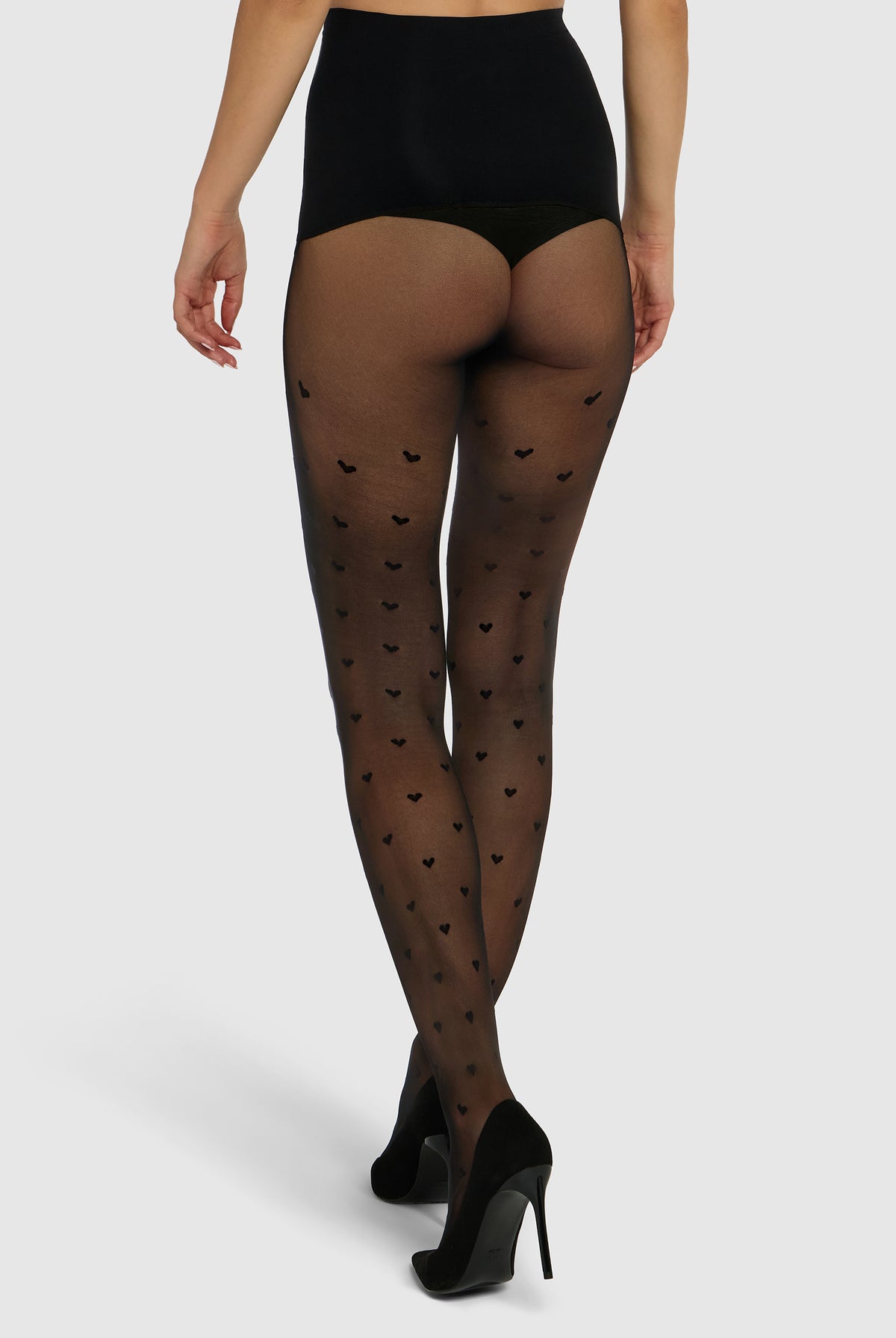
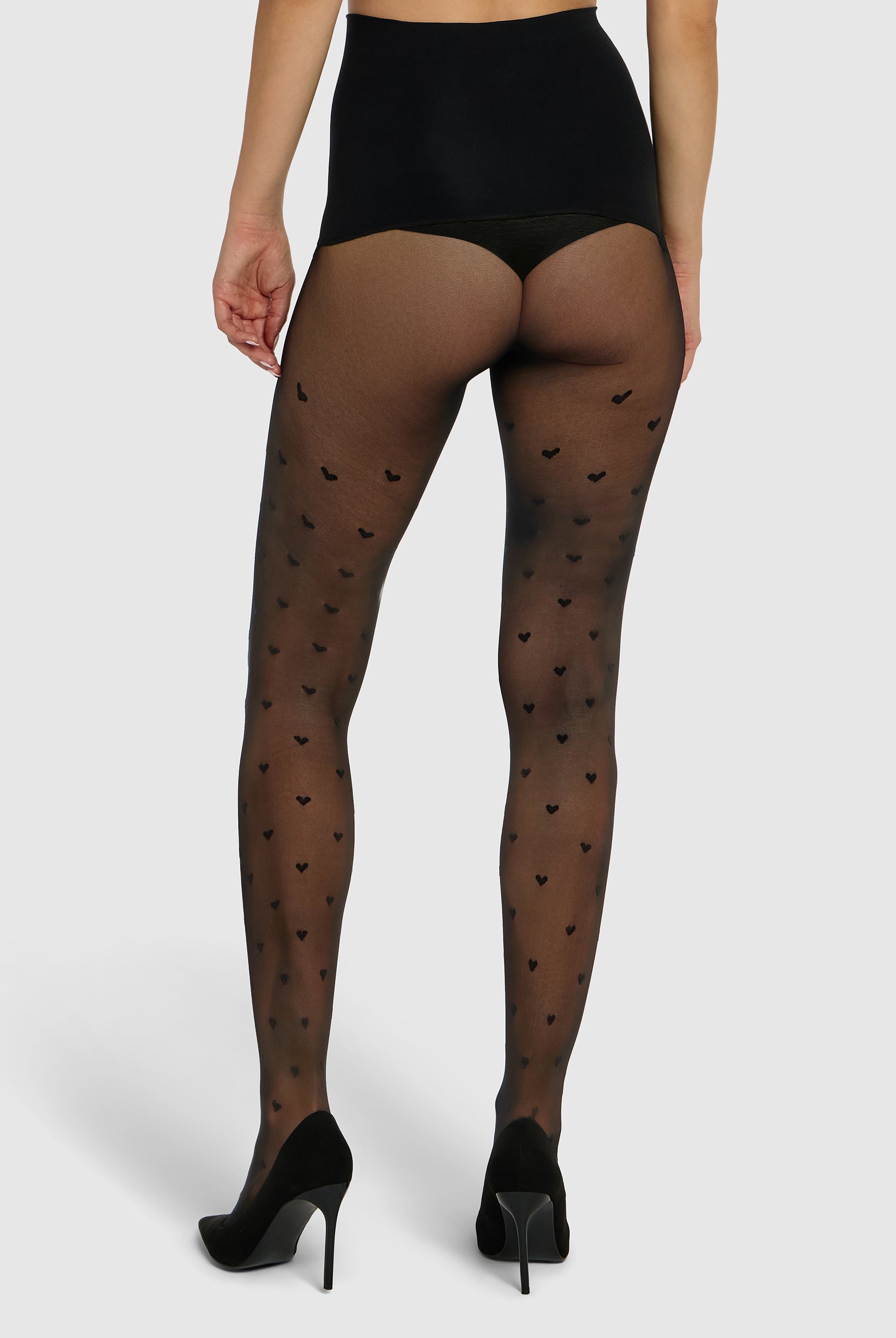
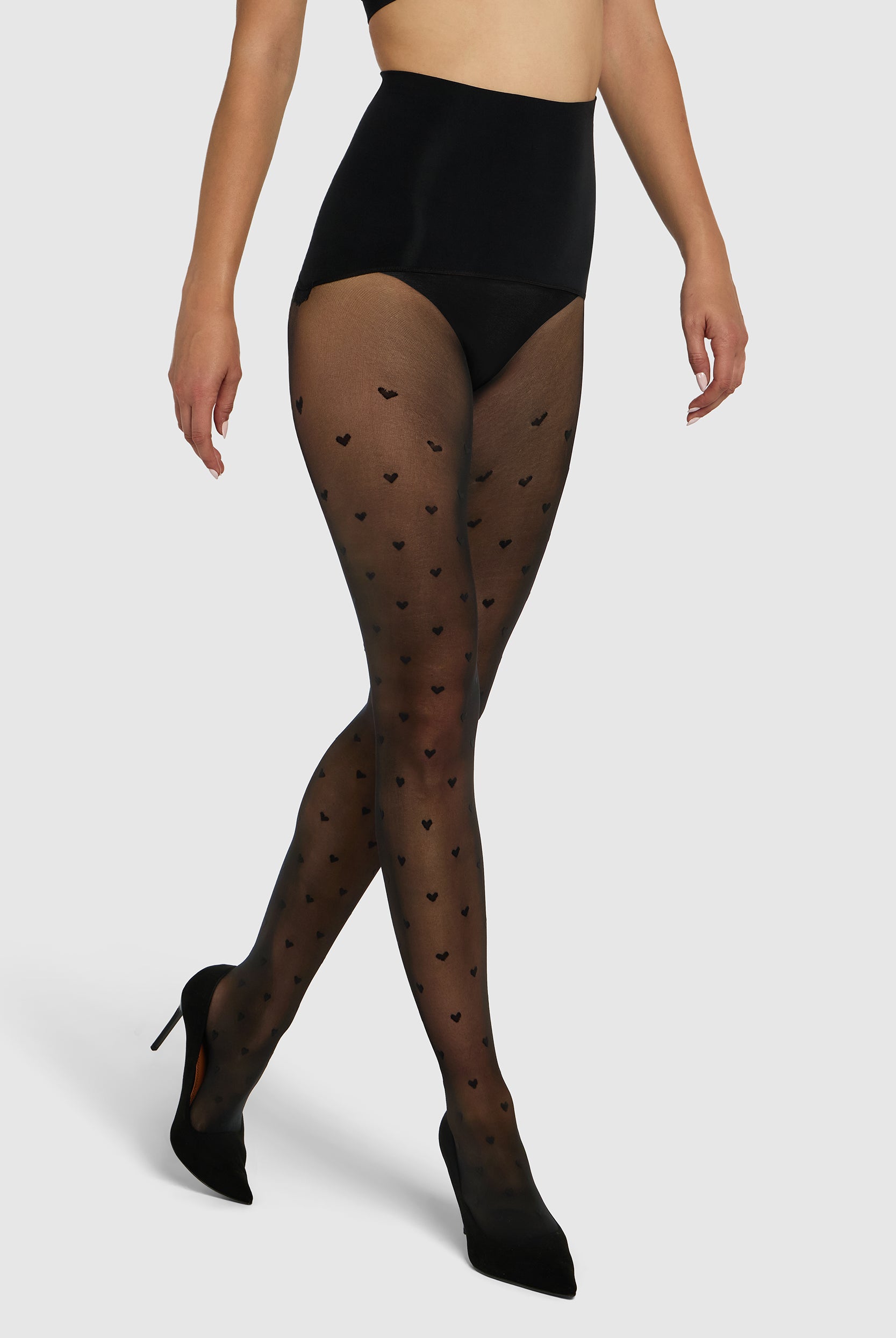
The Heart Patterned Tights Black
Regular price
£39.00 GBP
Black
X3 or more - 15% off
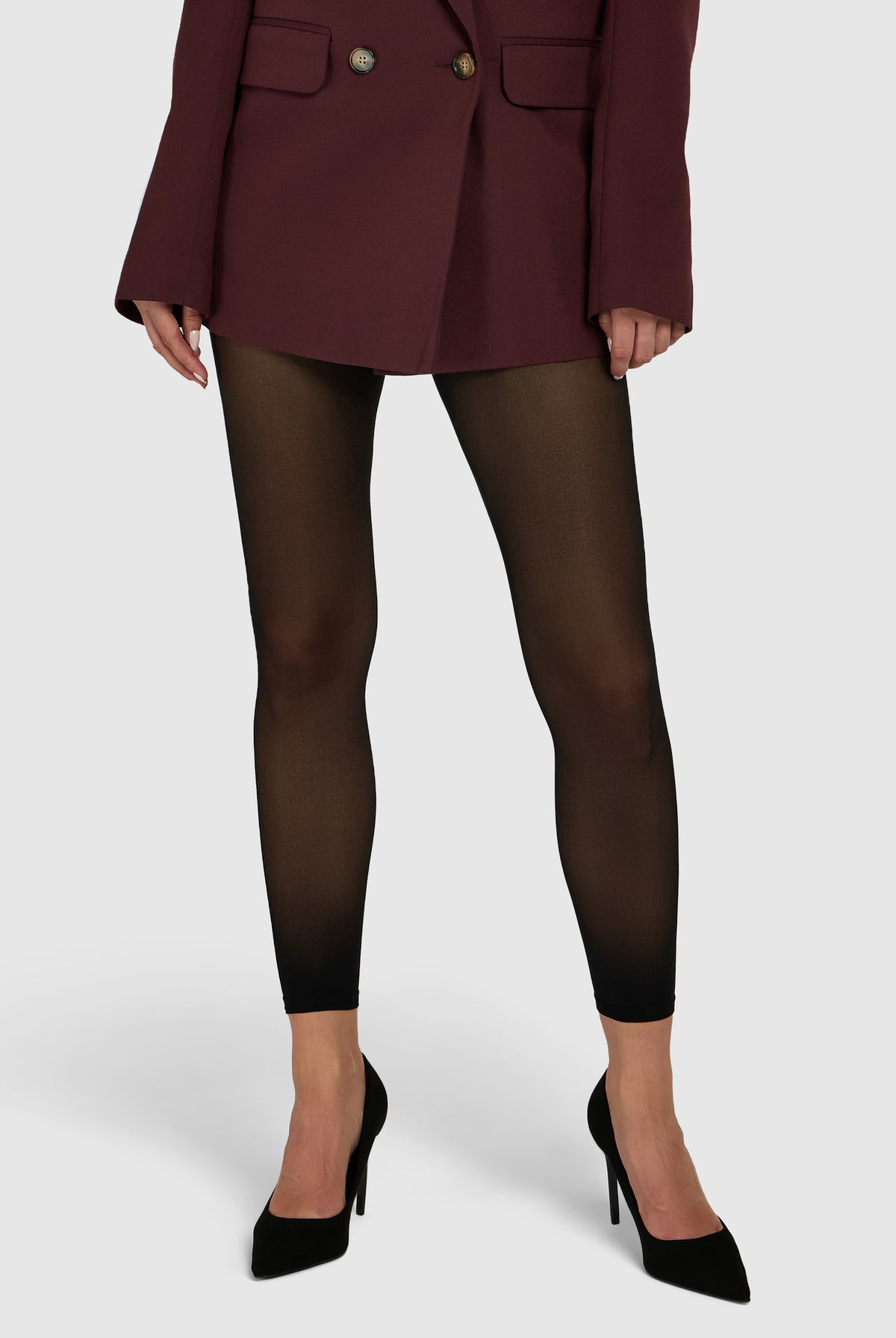

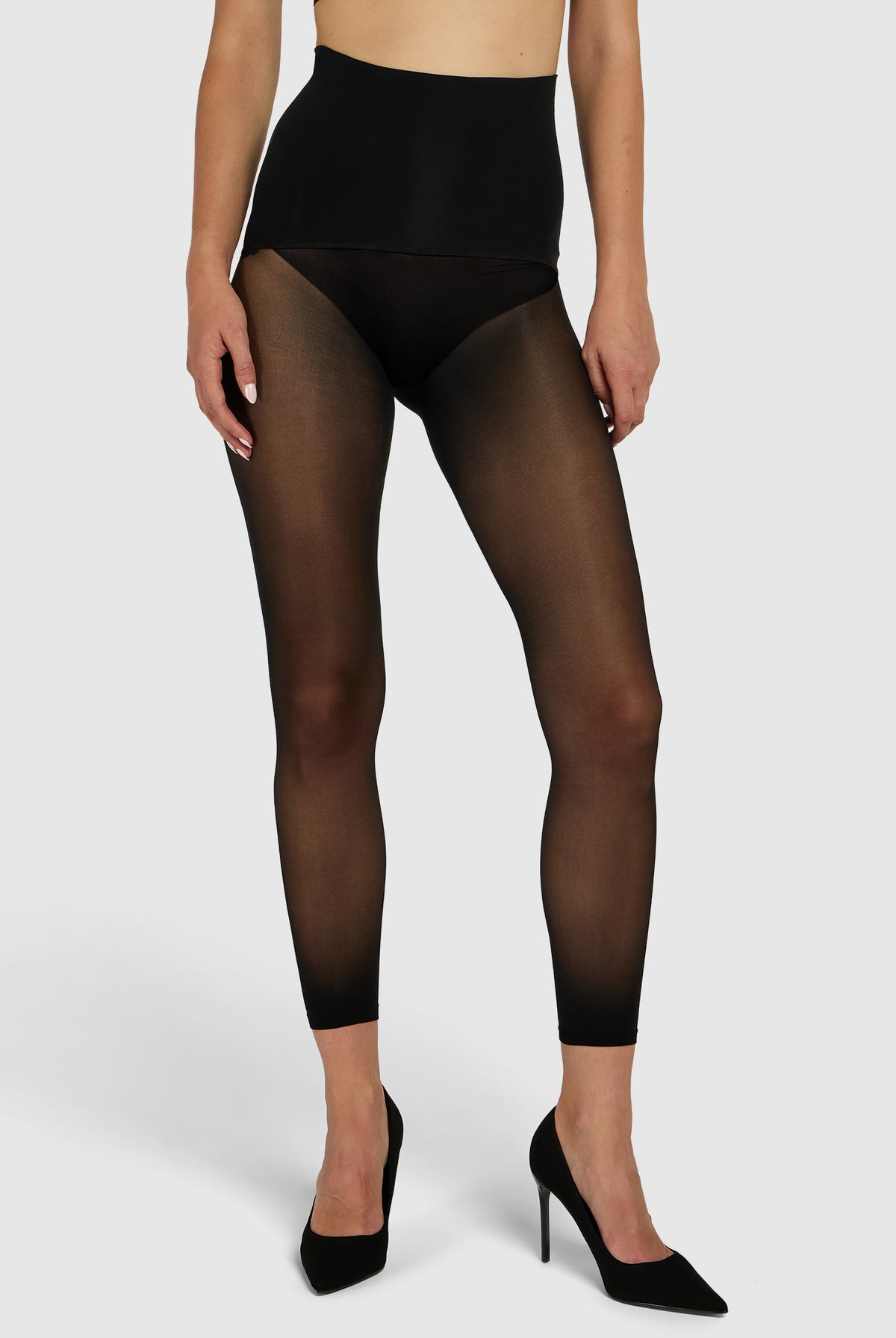
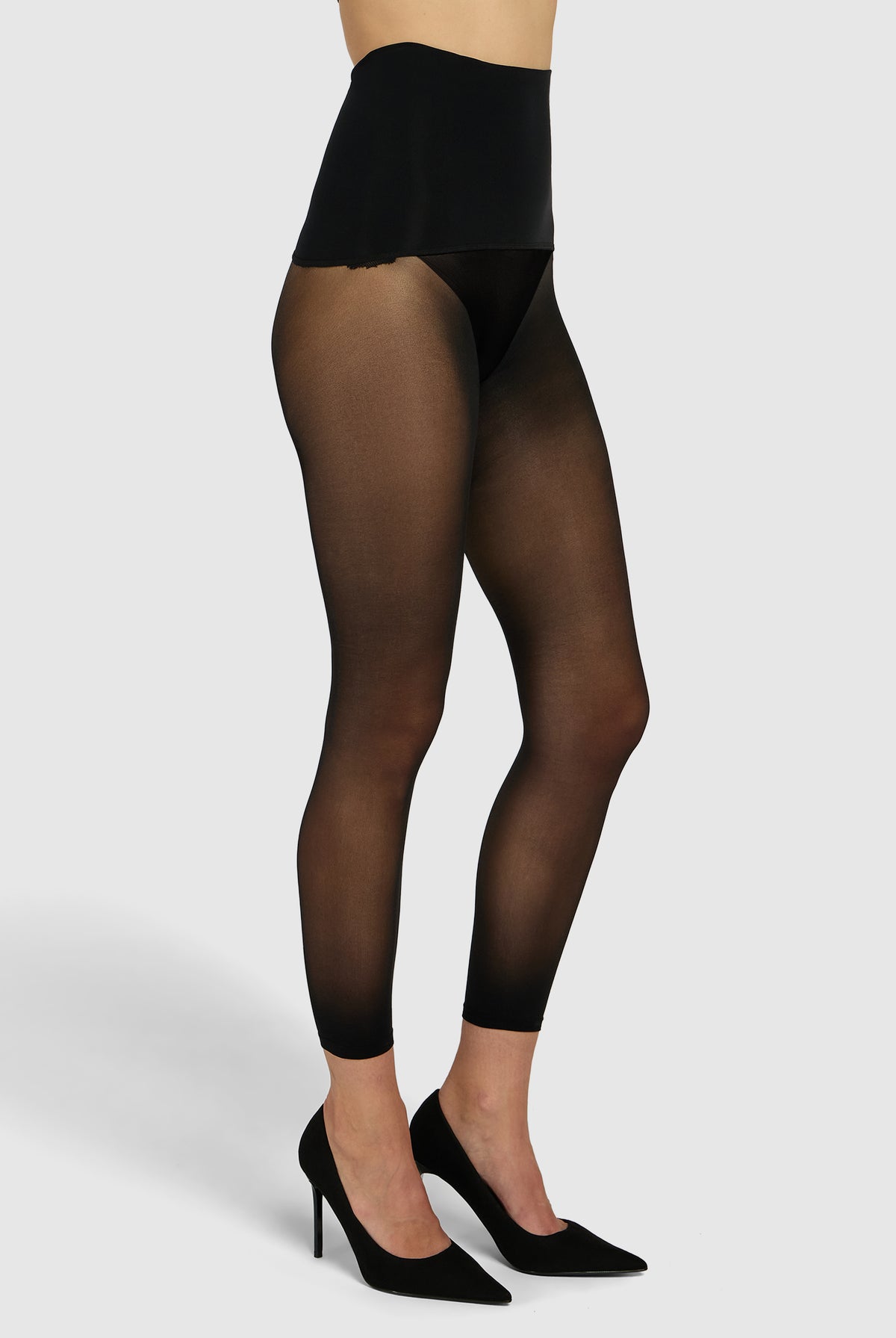
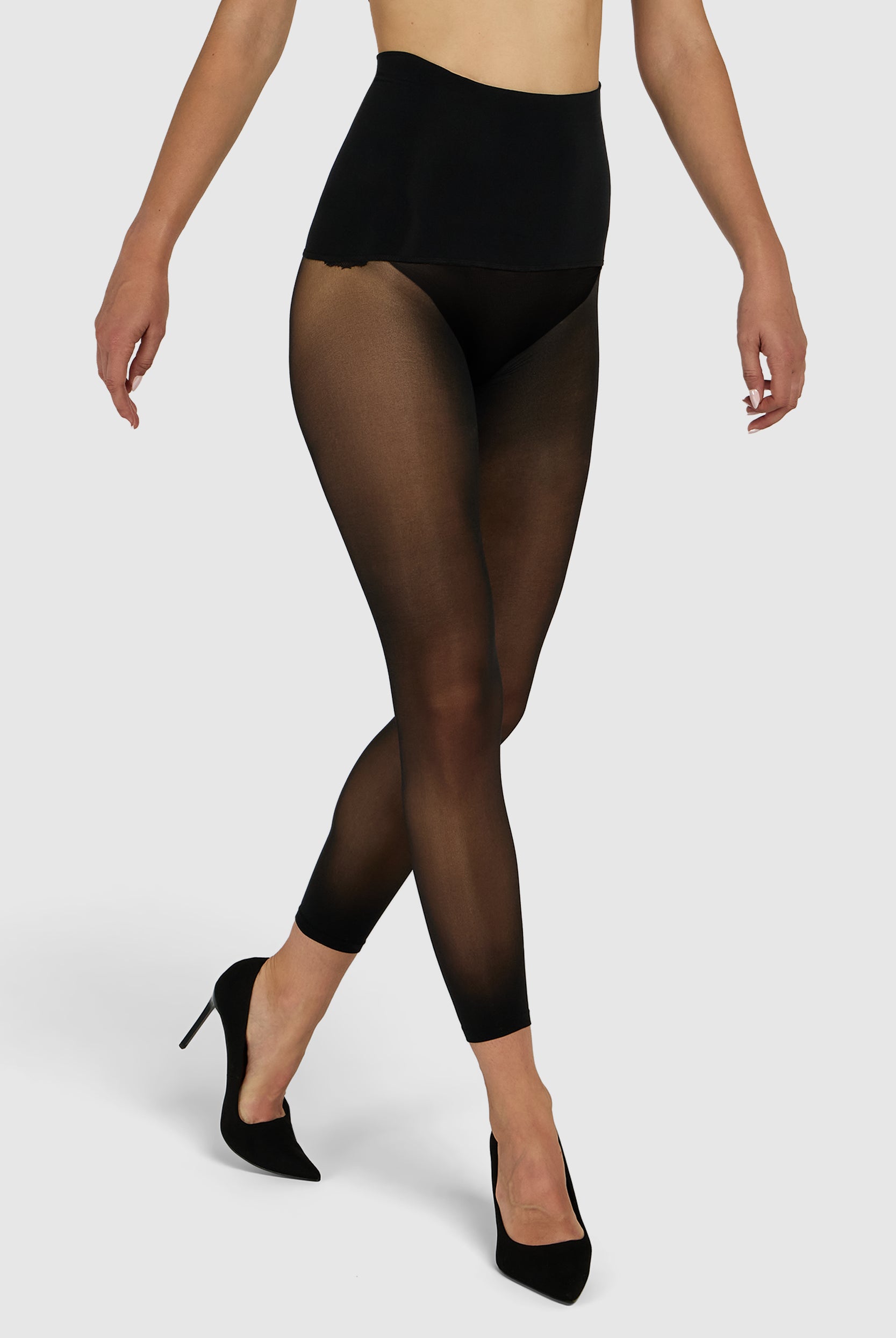
The Thirty-Five Cut-Off Footless Tights Black
Regular price
£35.00 GBP
Black
X3 or more - 15% off
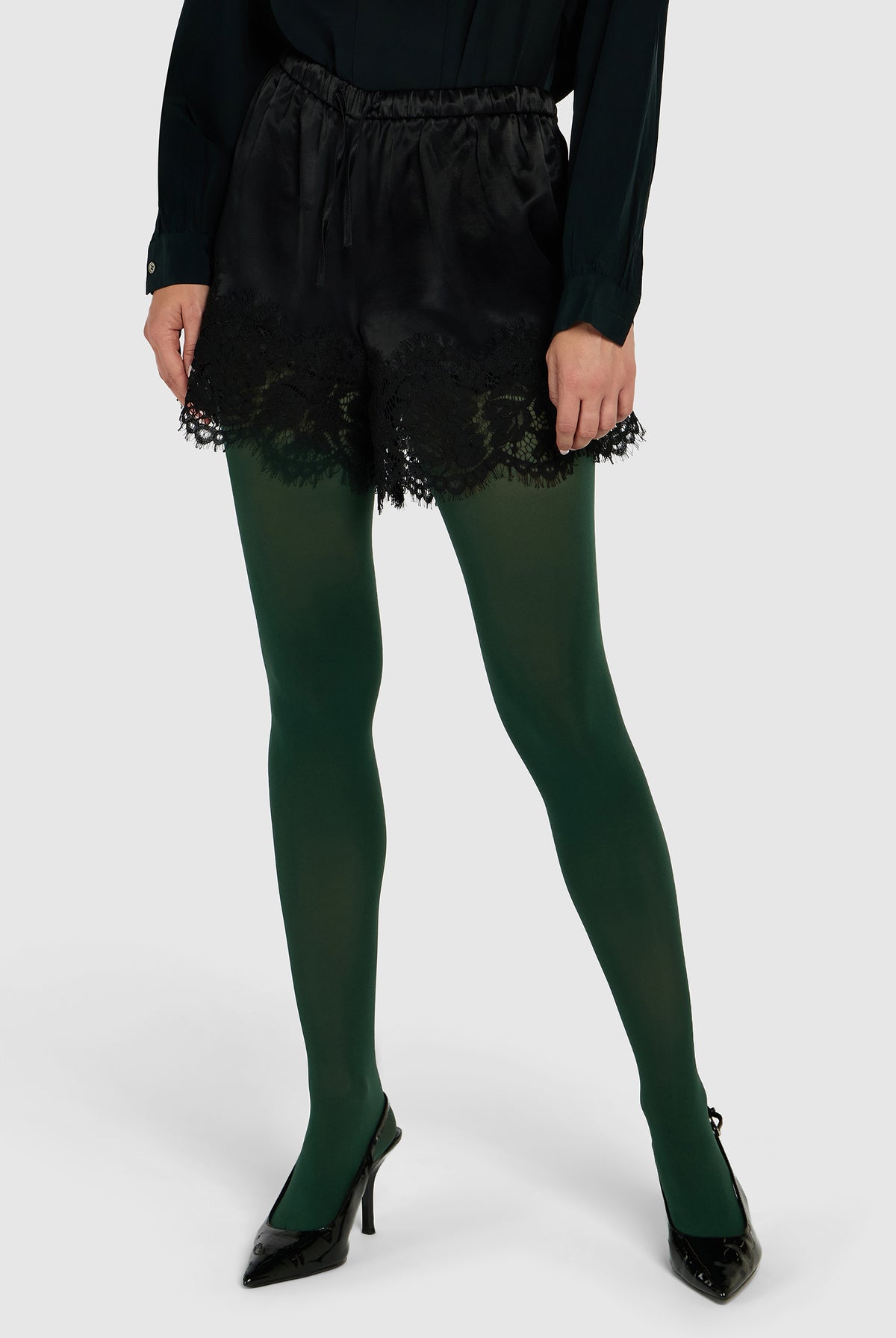

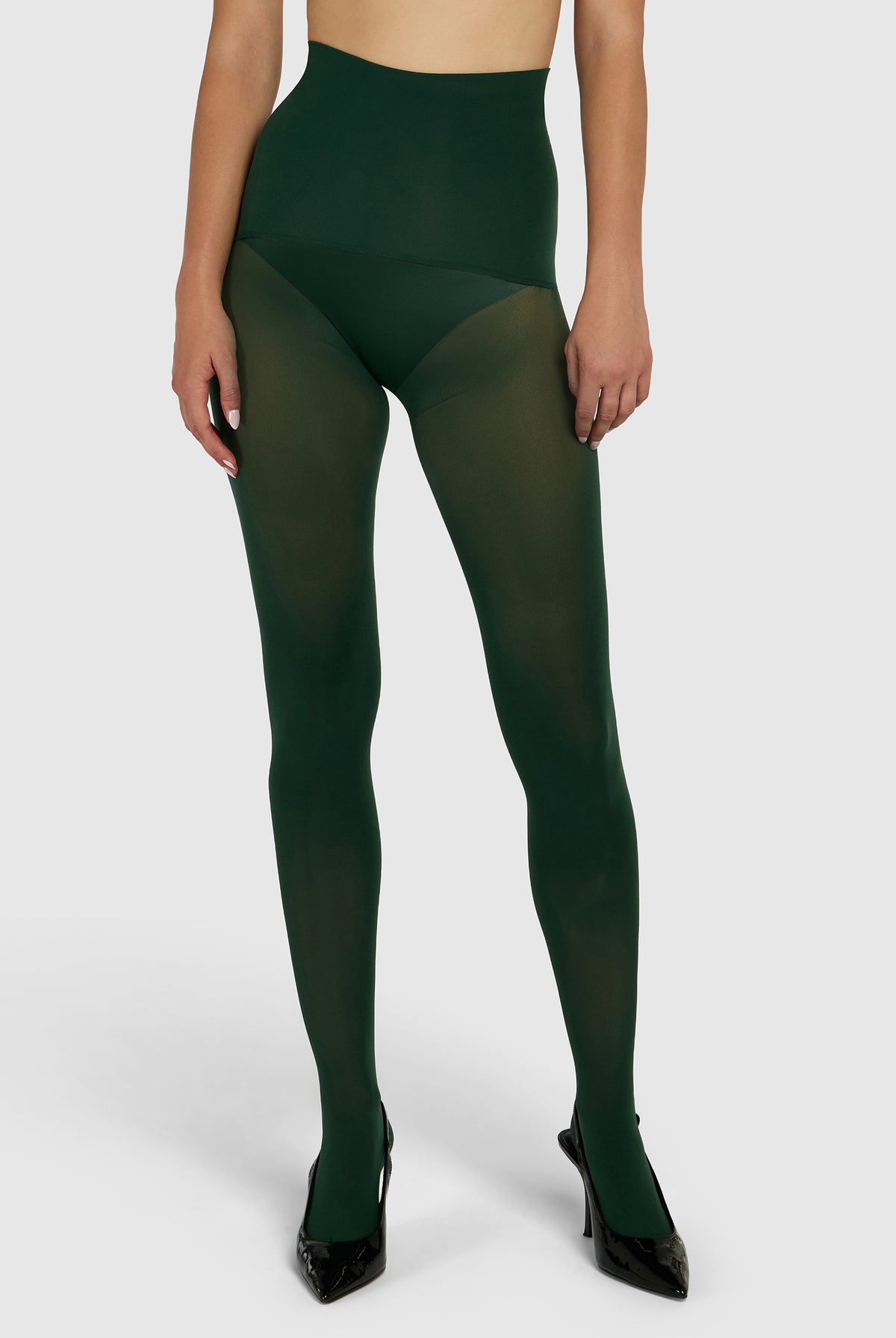
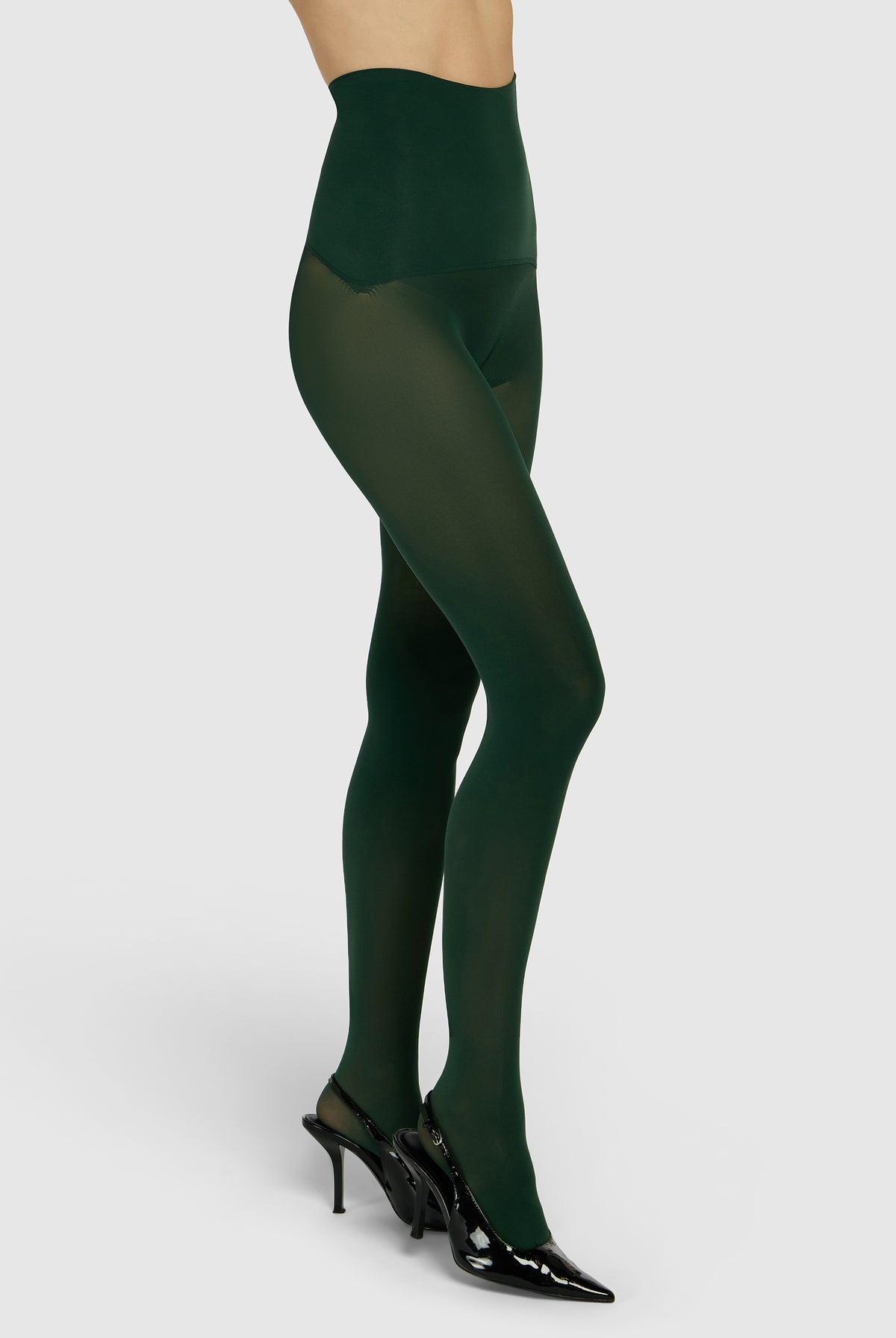
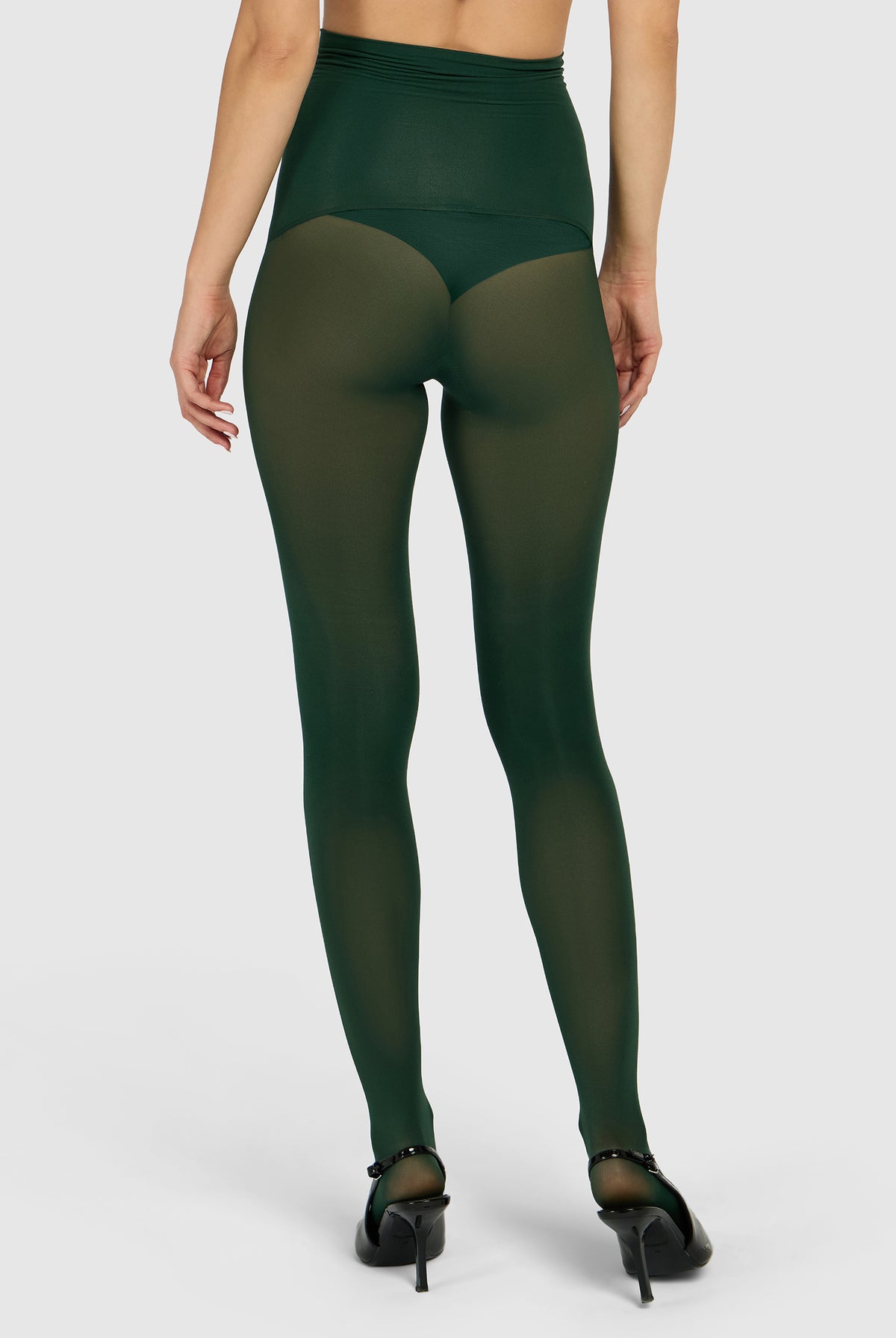
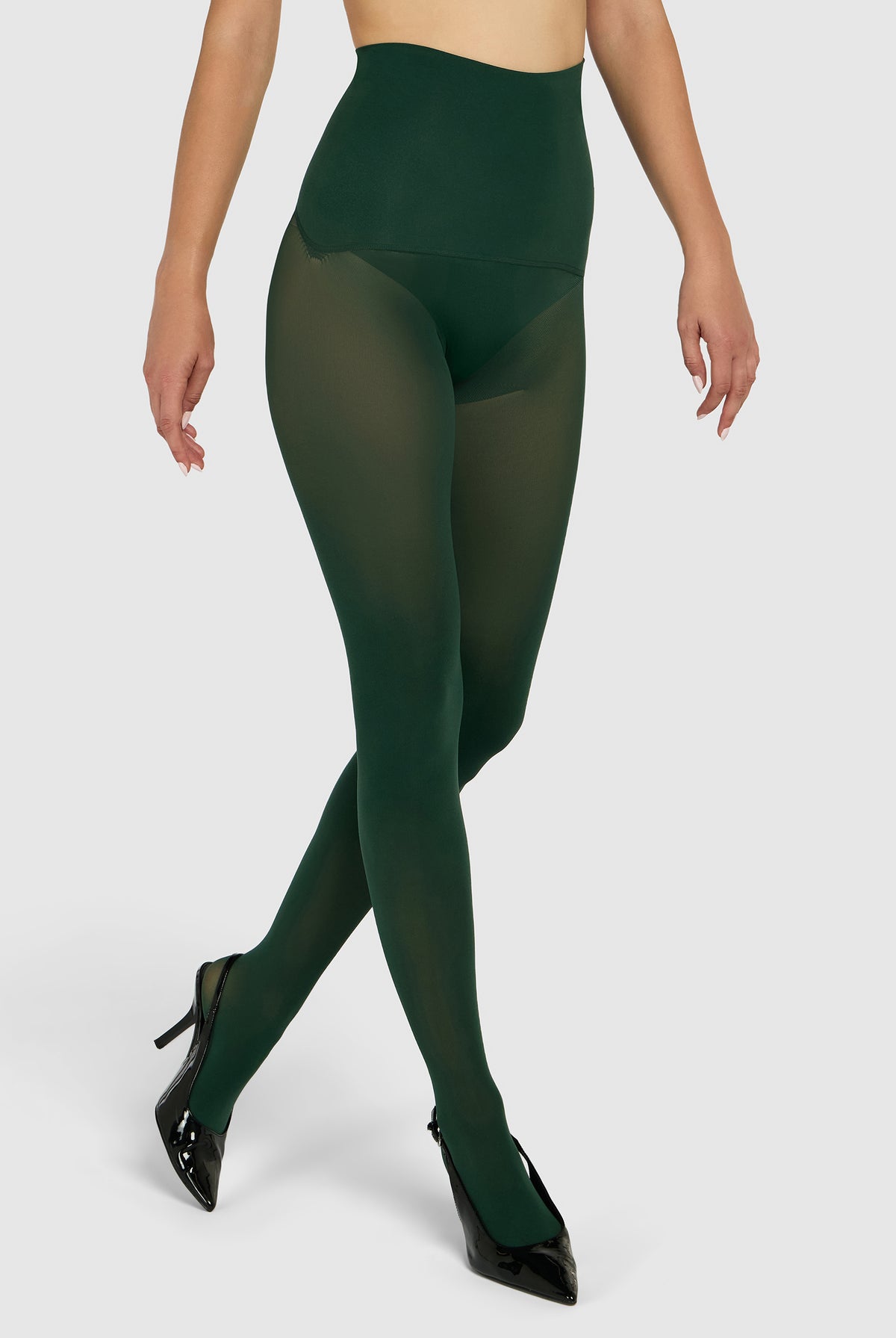

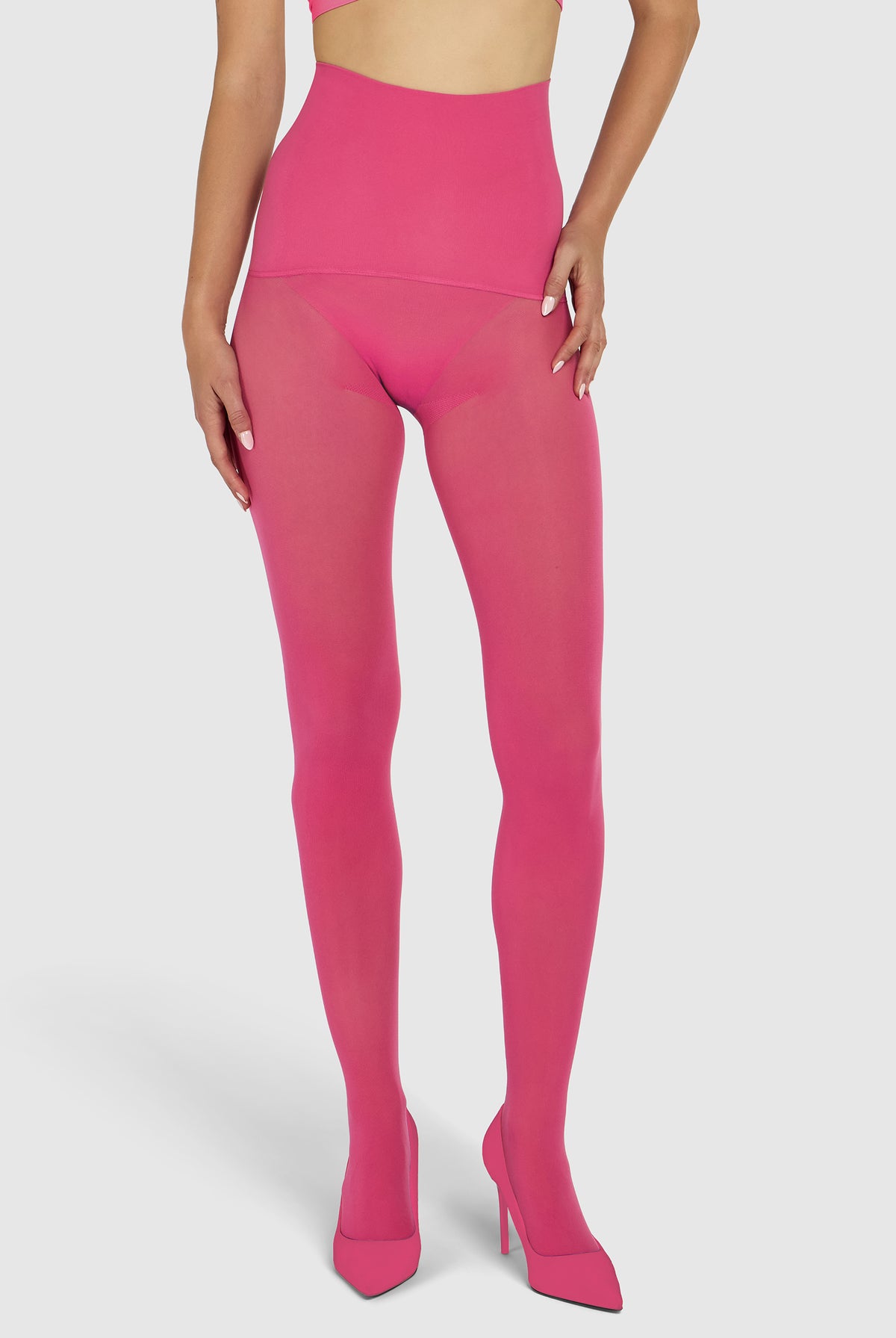
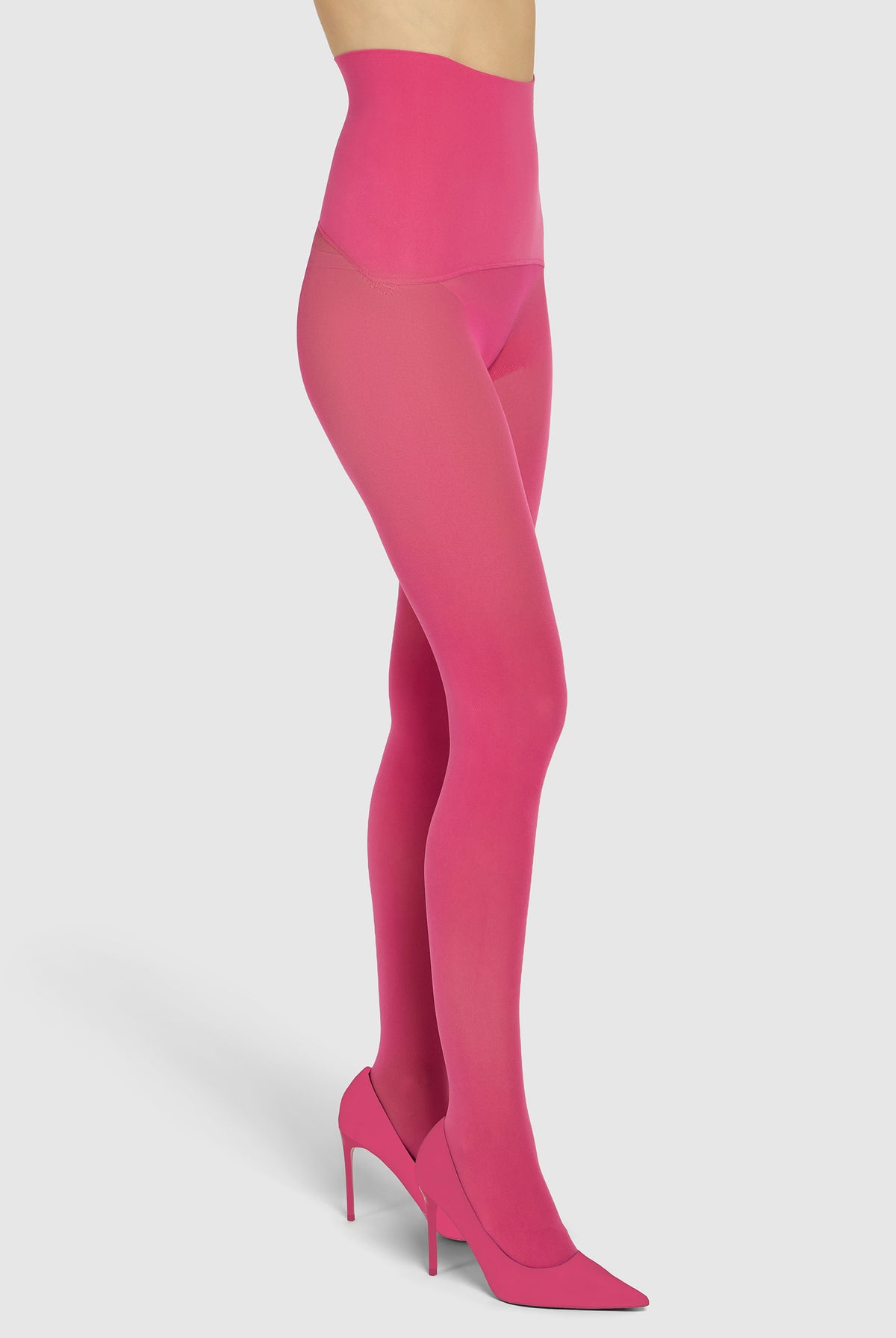
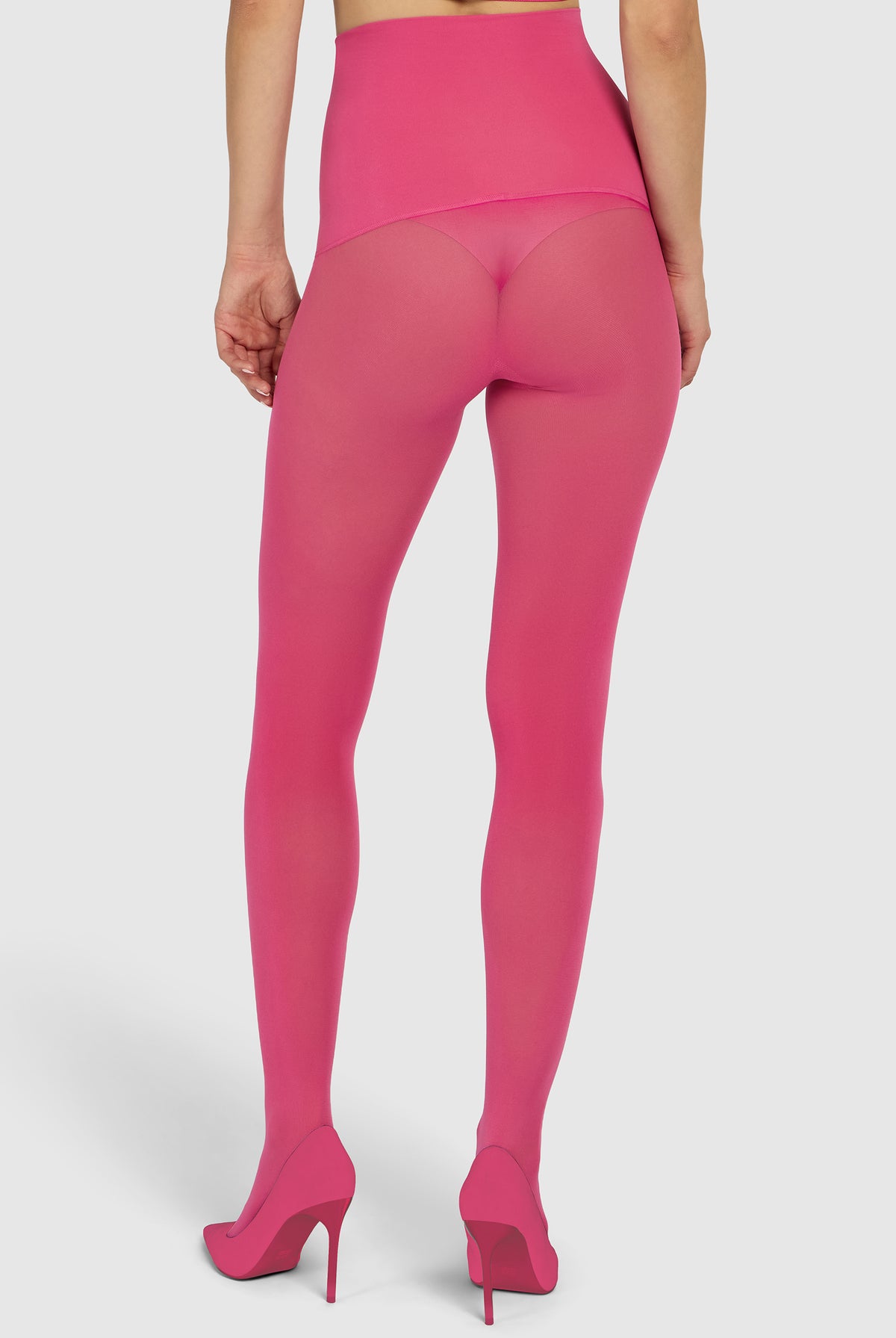
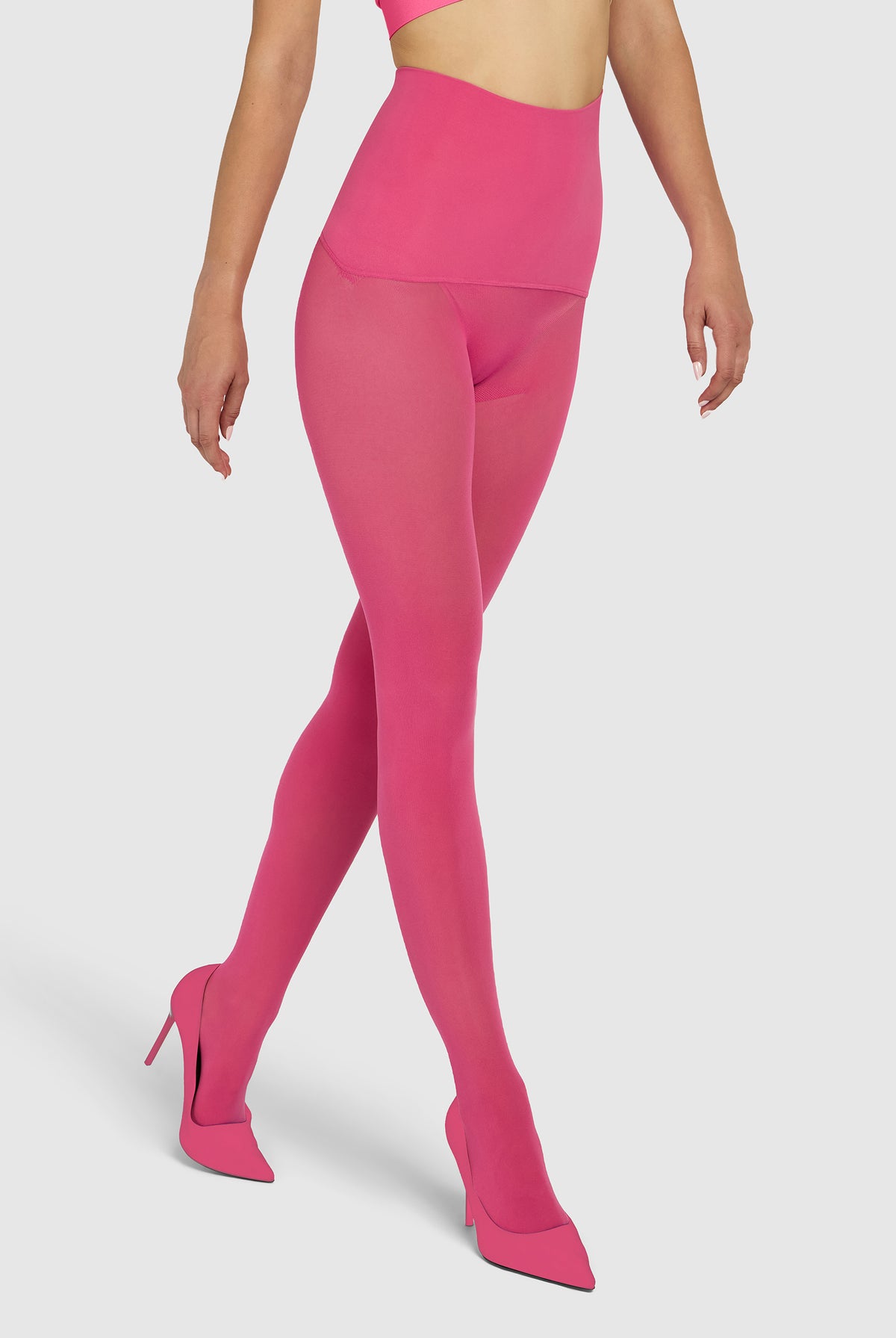


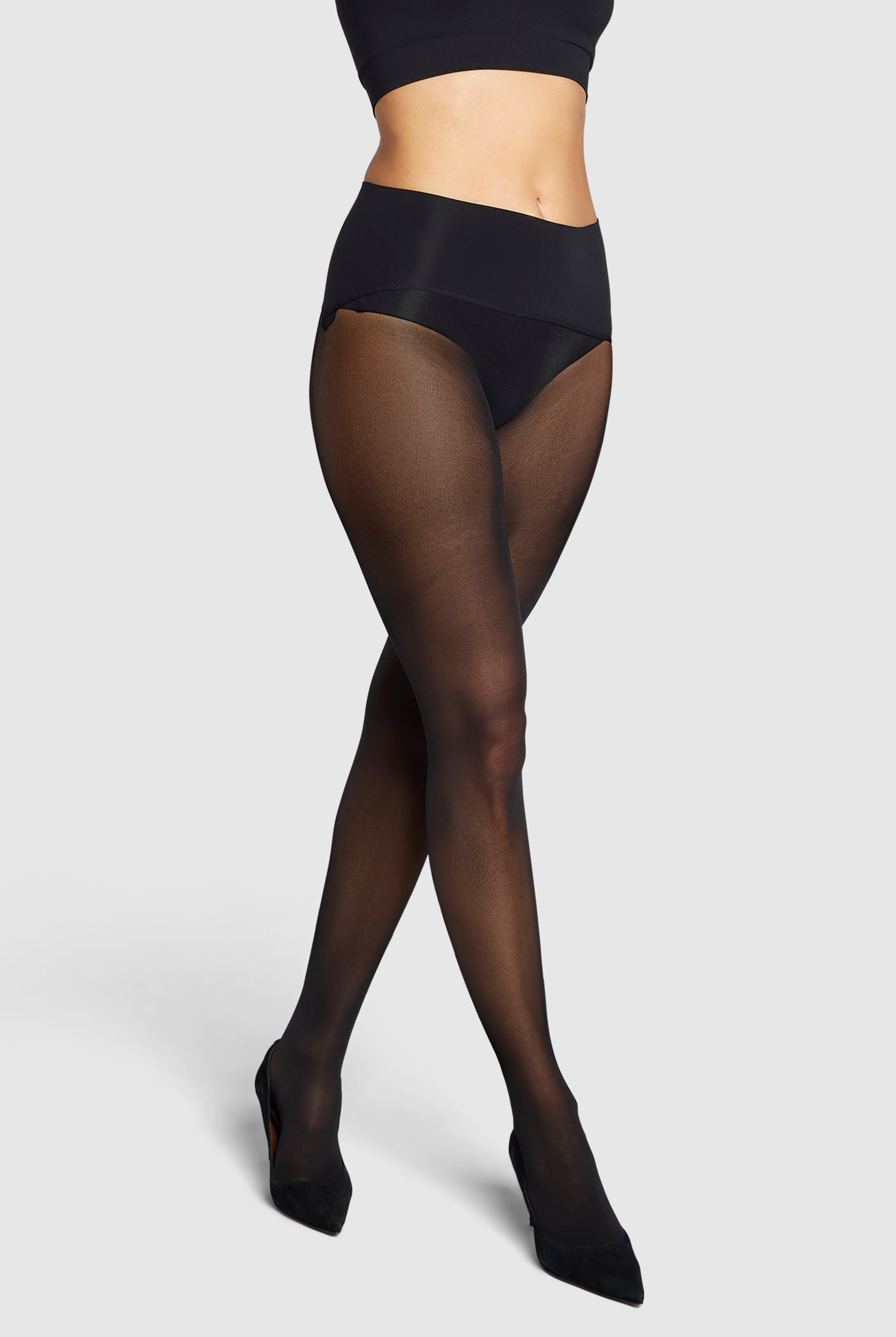

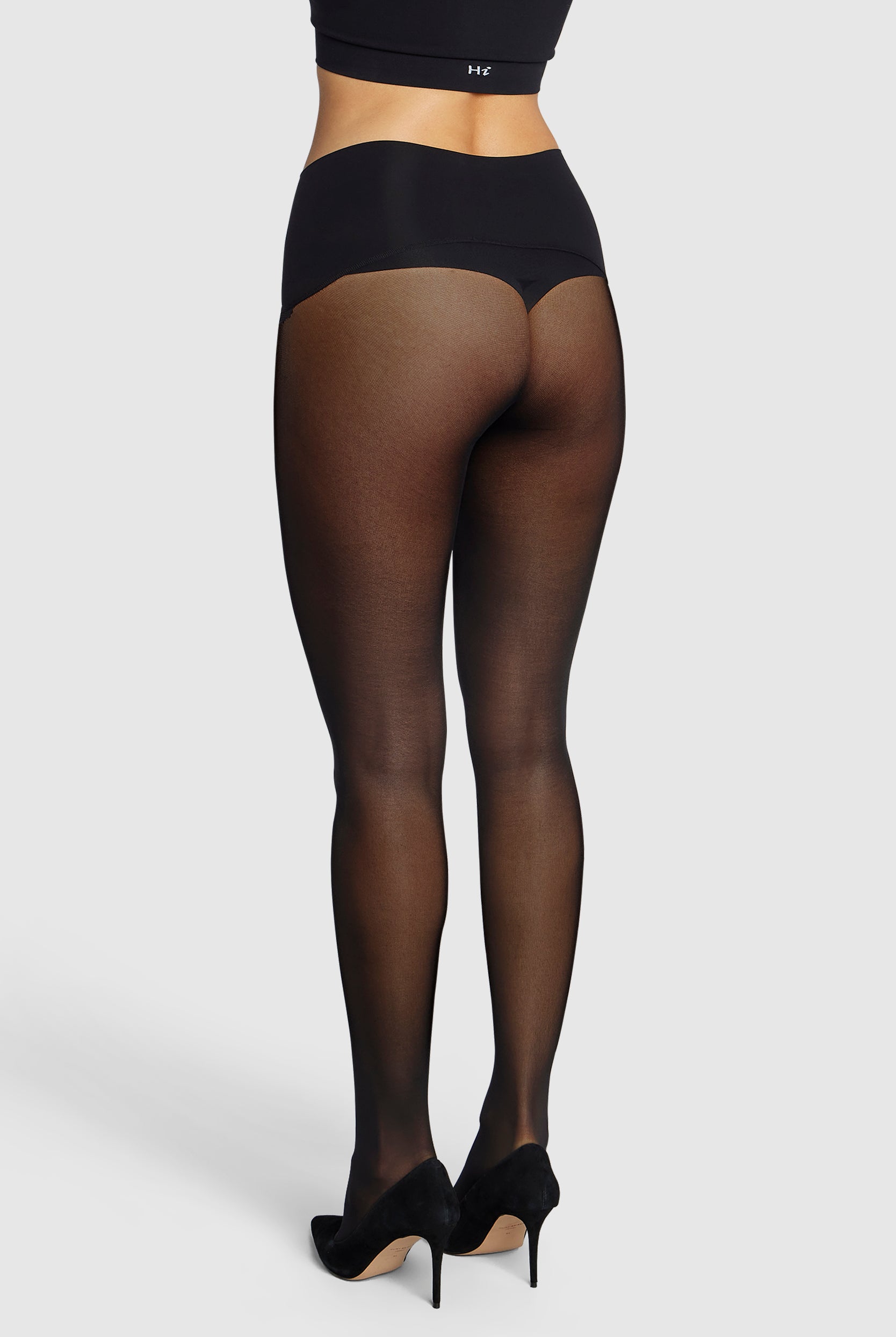
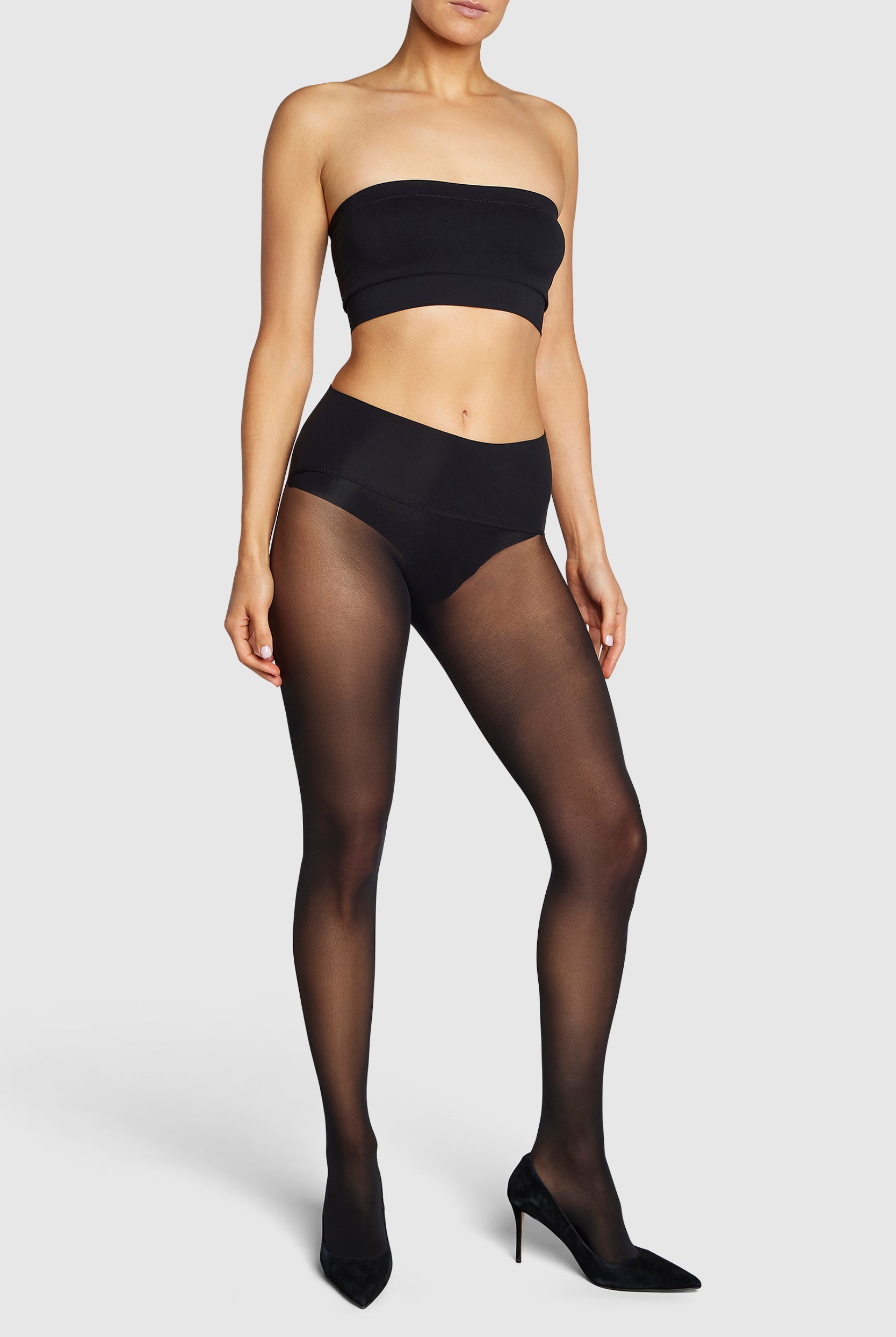
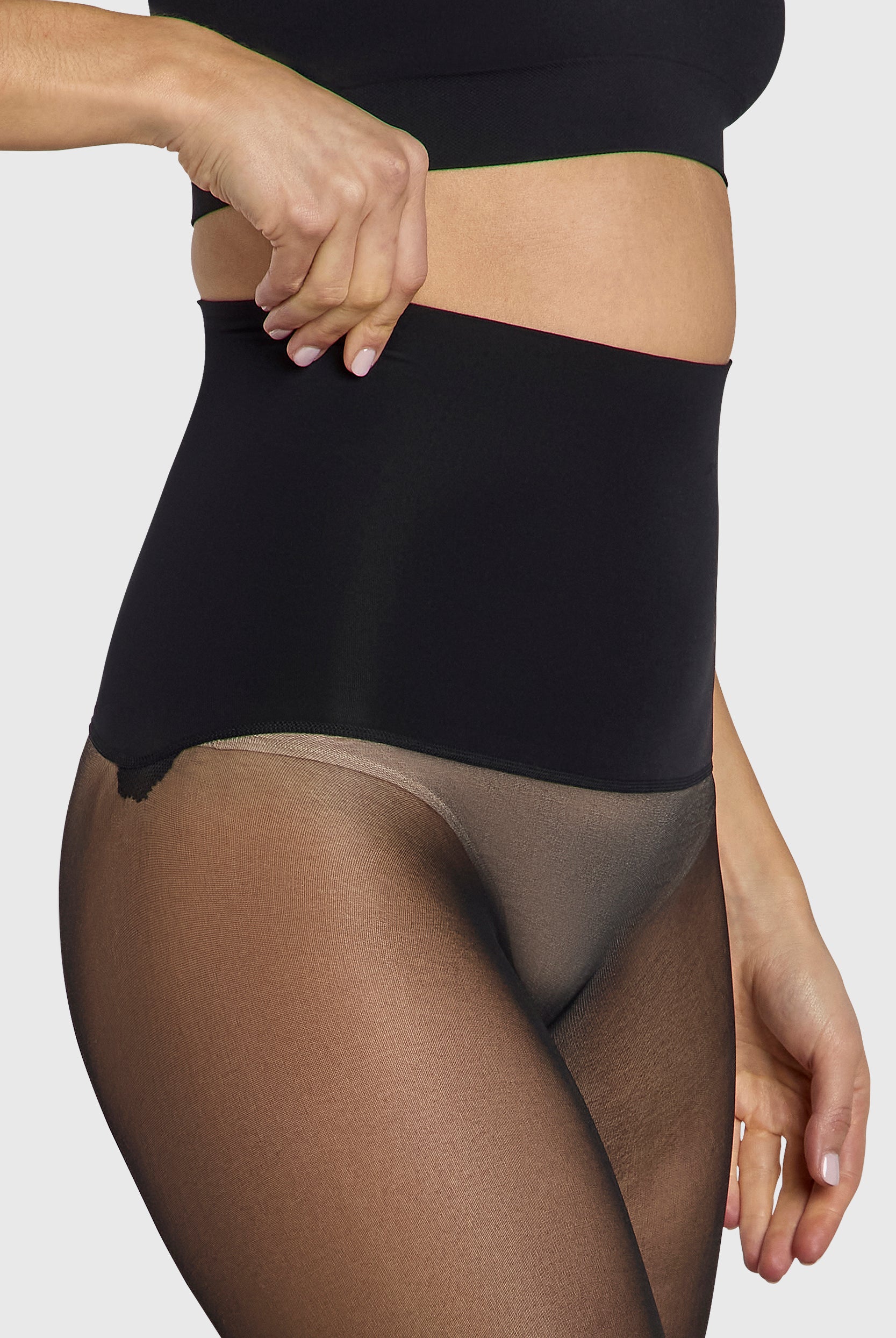
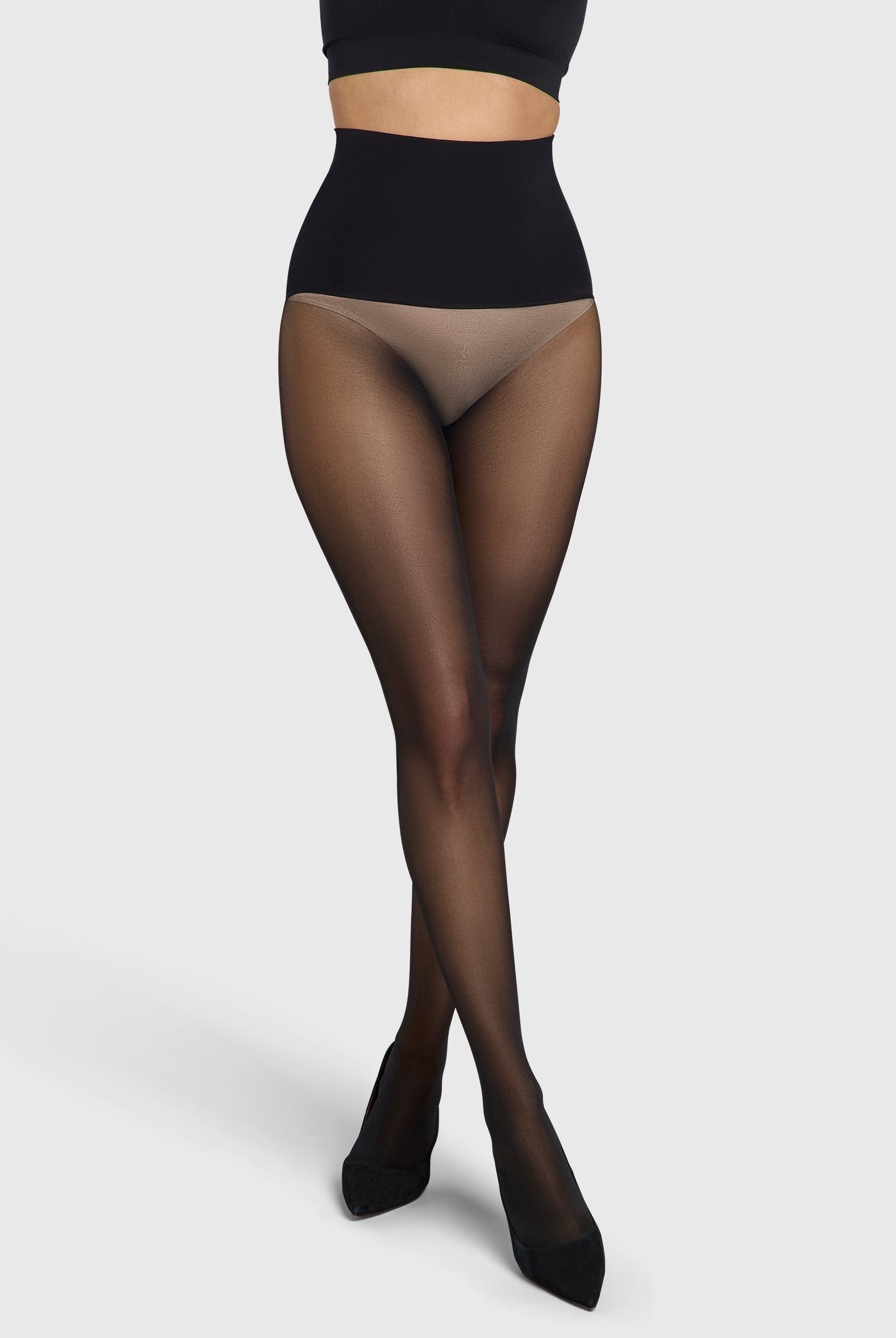
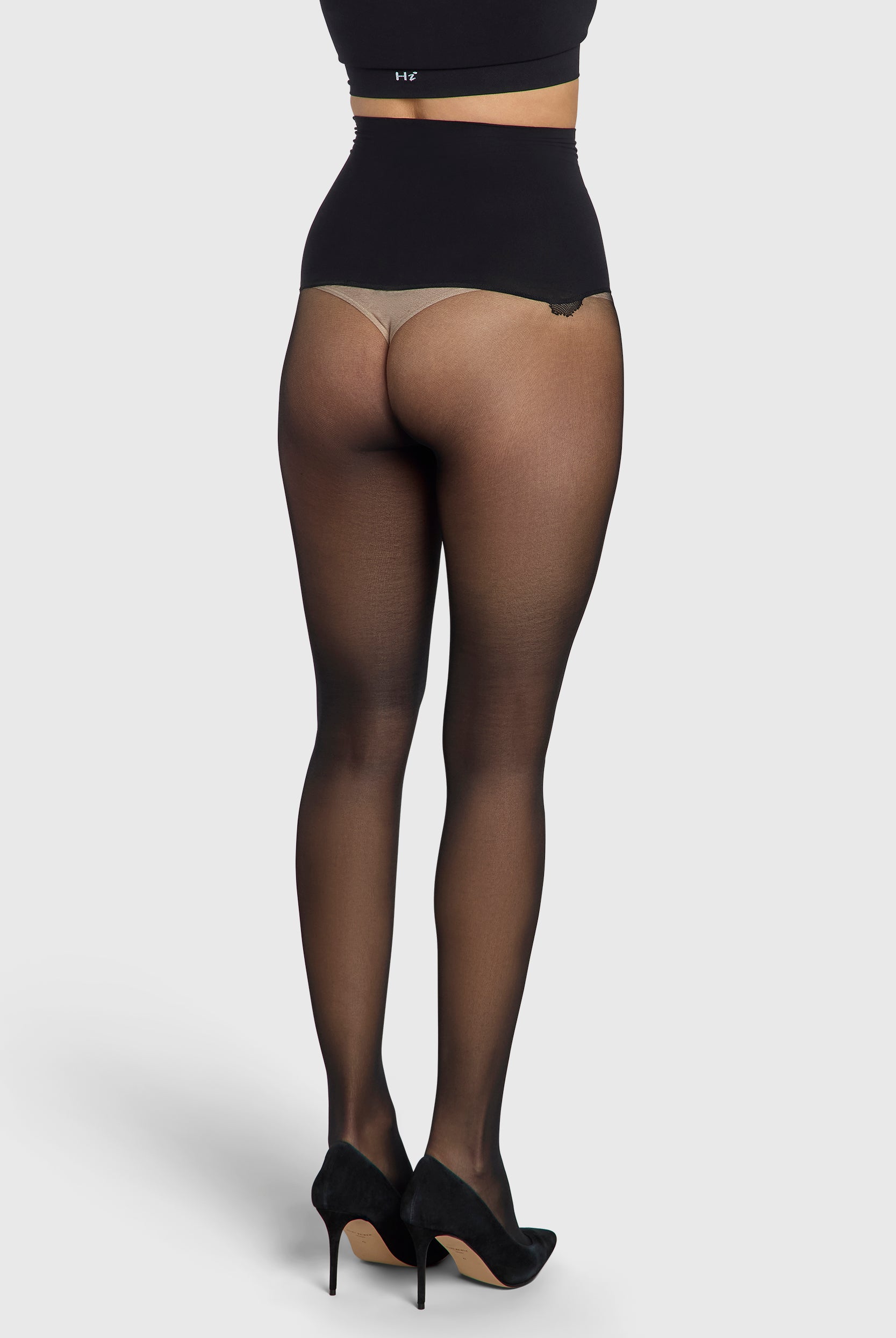
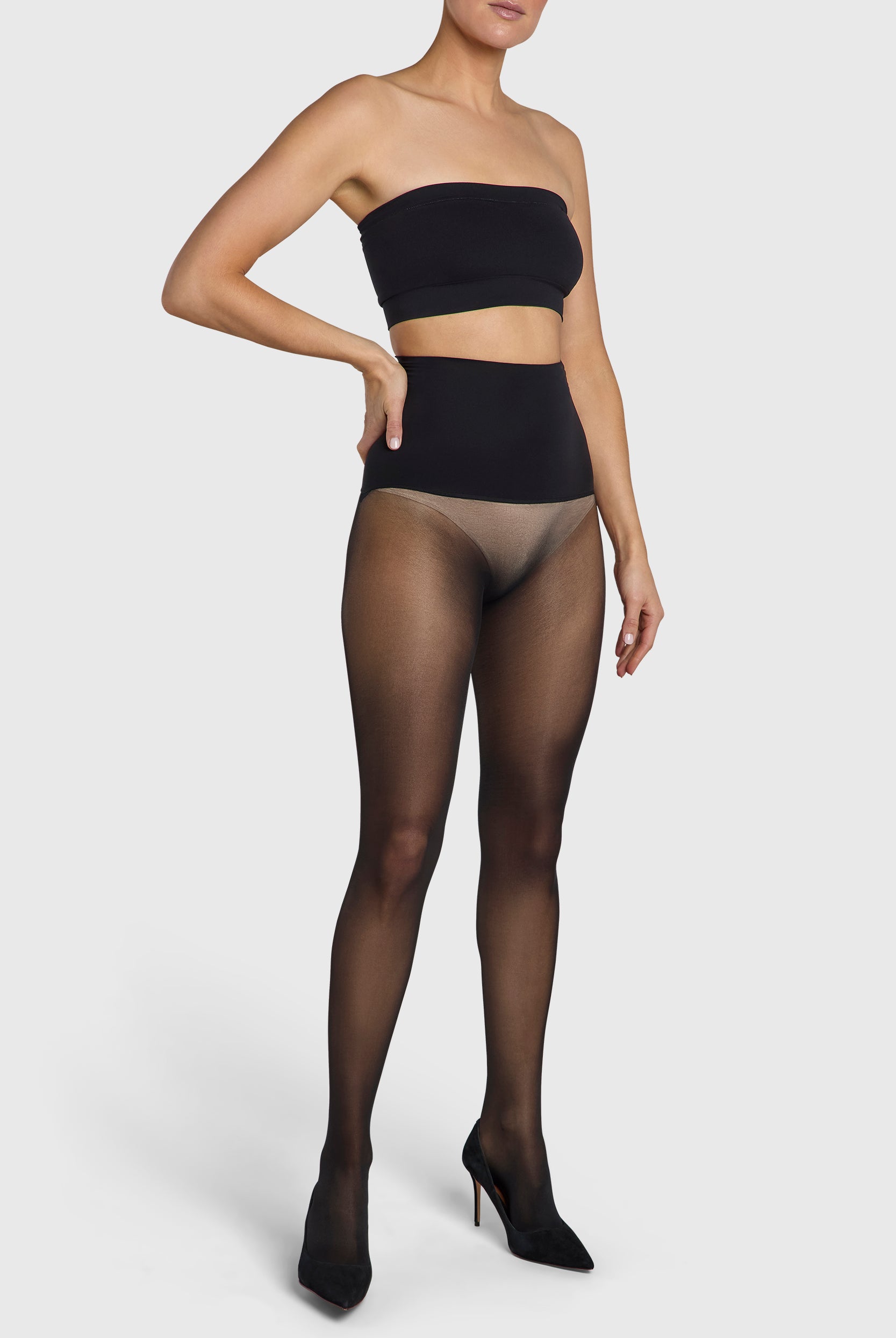

The Thirty-Five Semi-Opaque Tights Black
X3 or more - 15% off

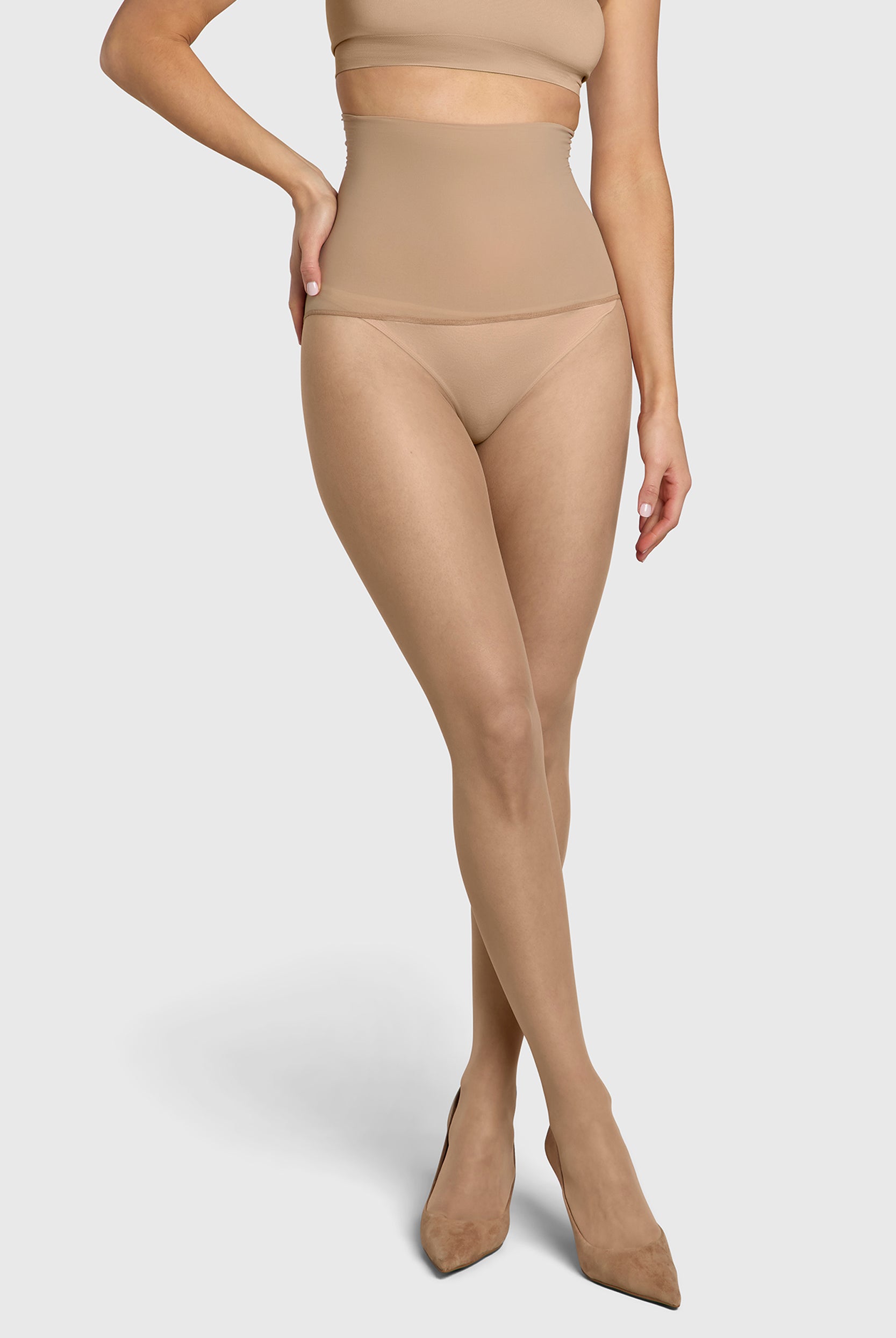
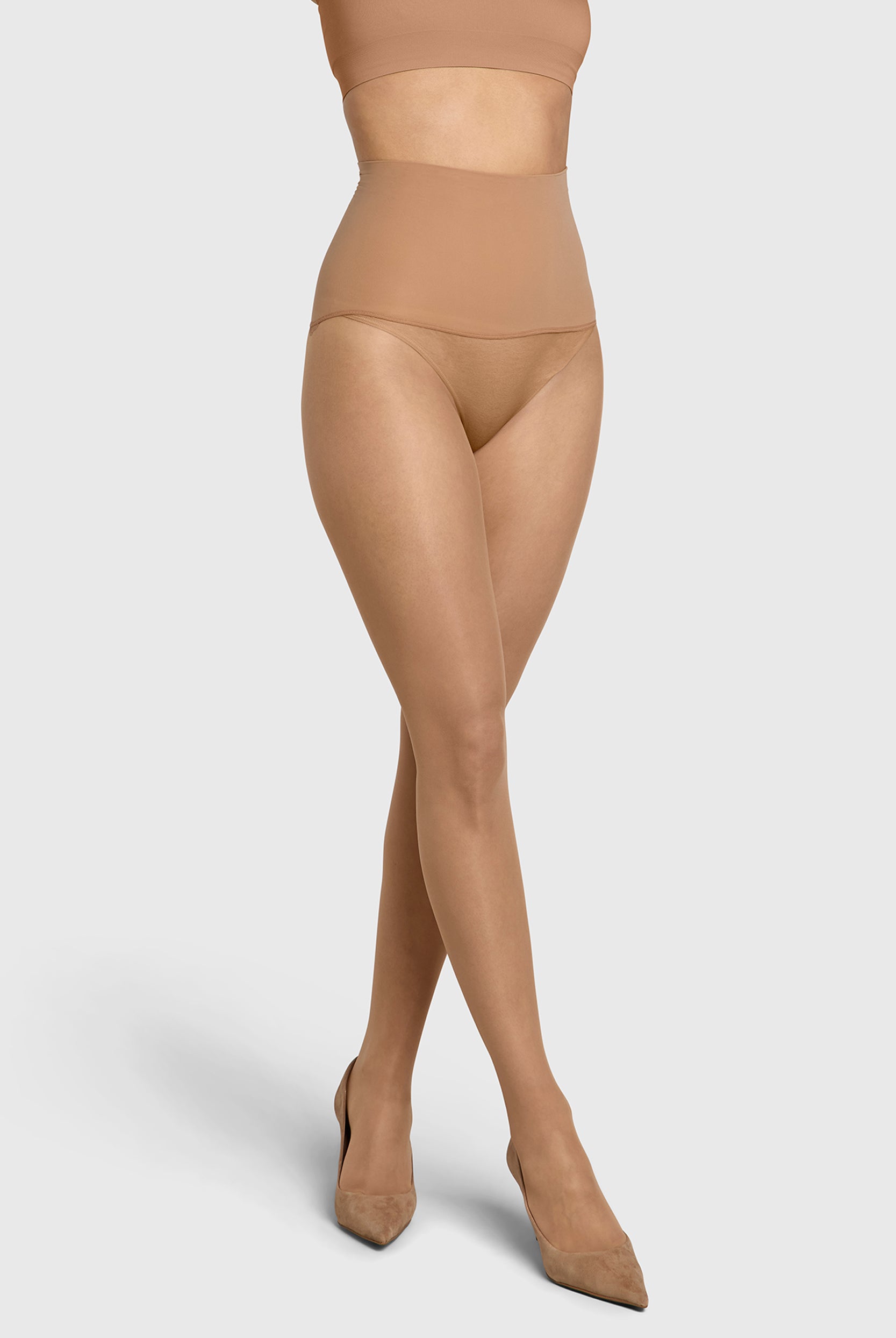
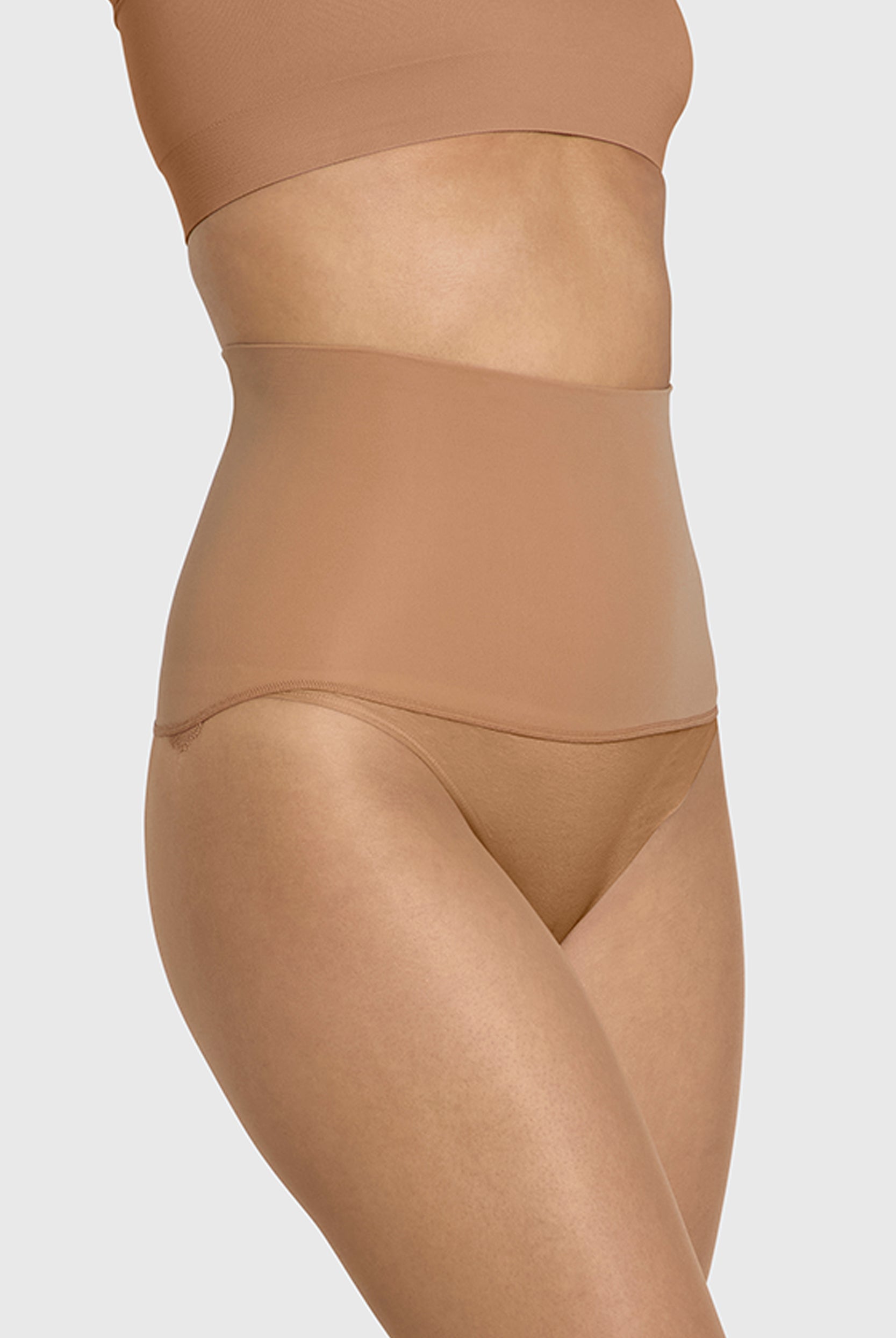
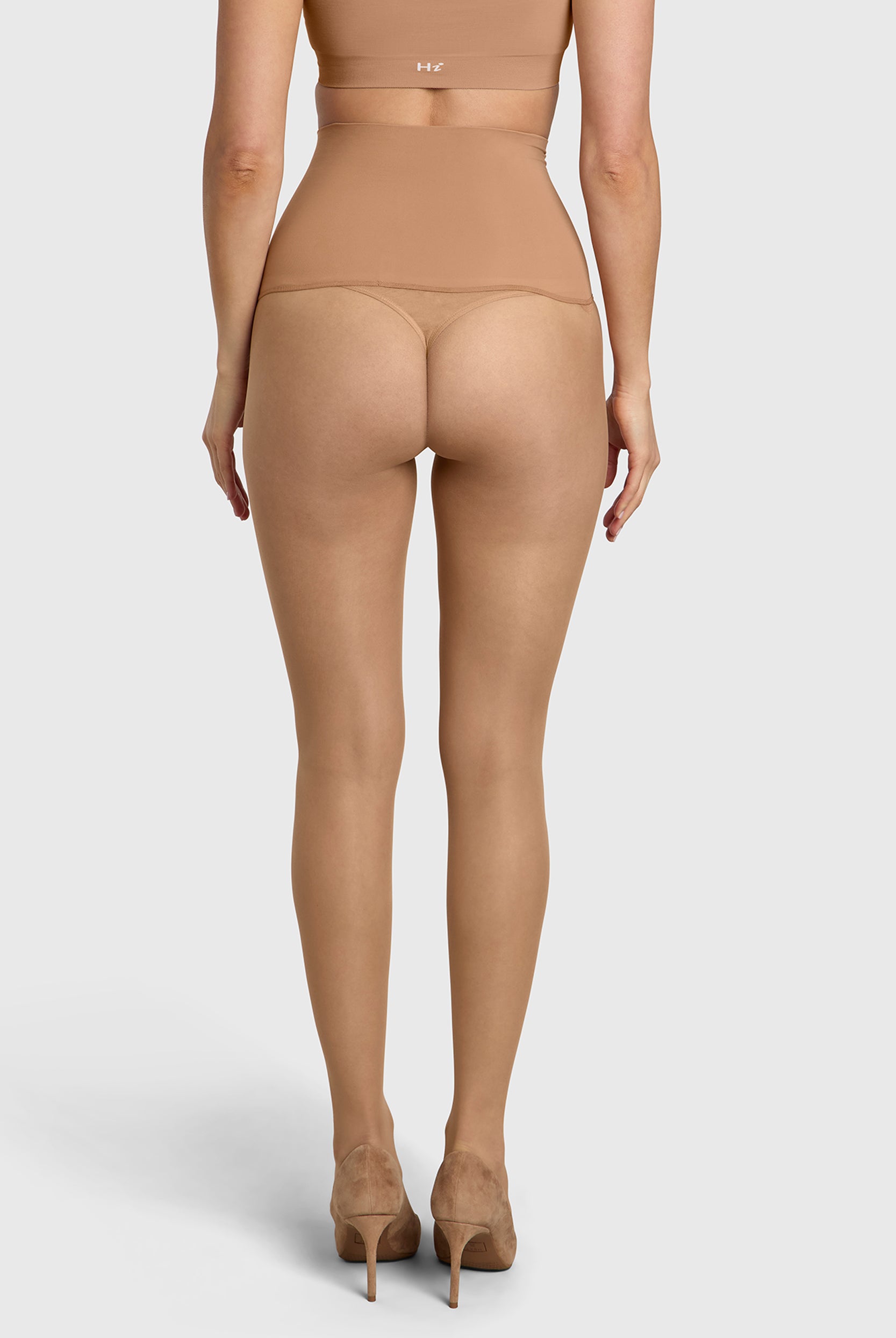
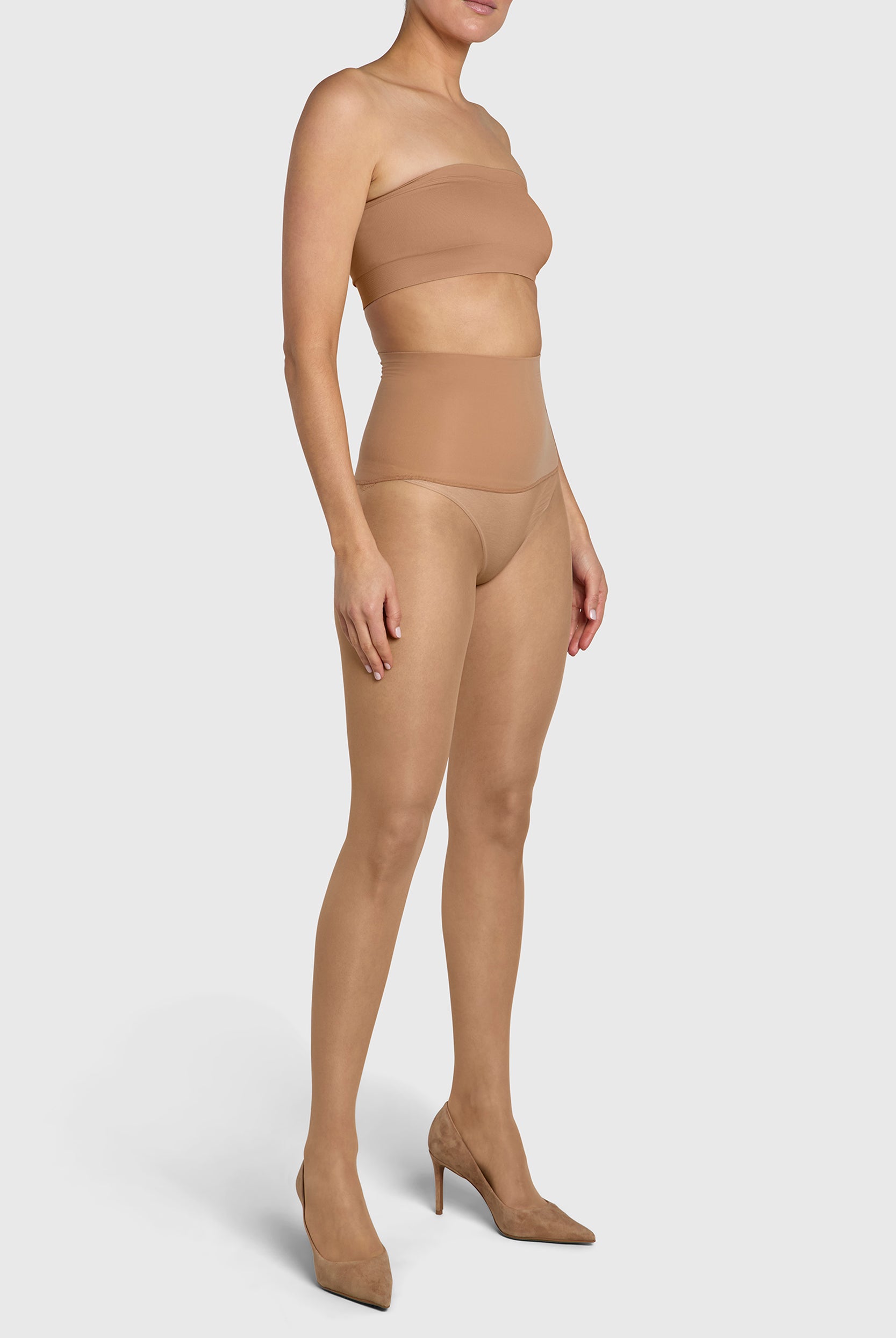
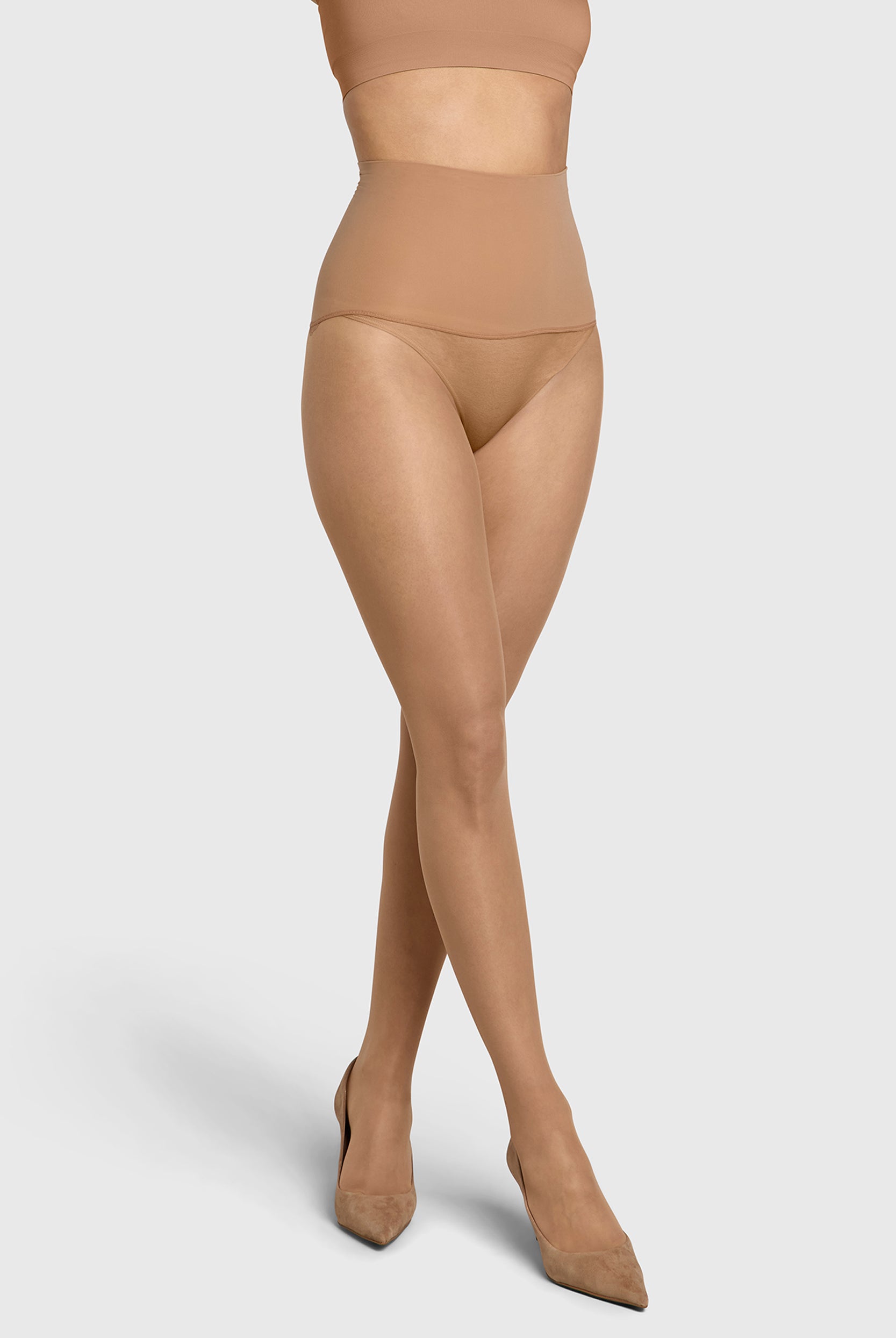
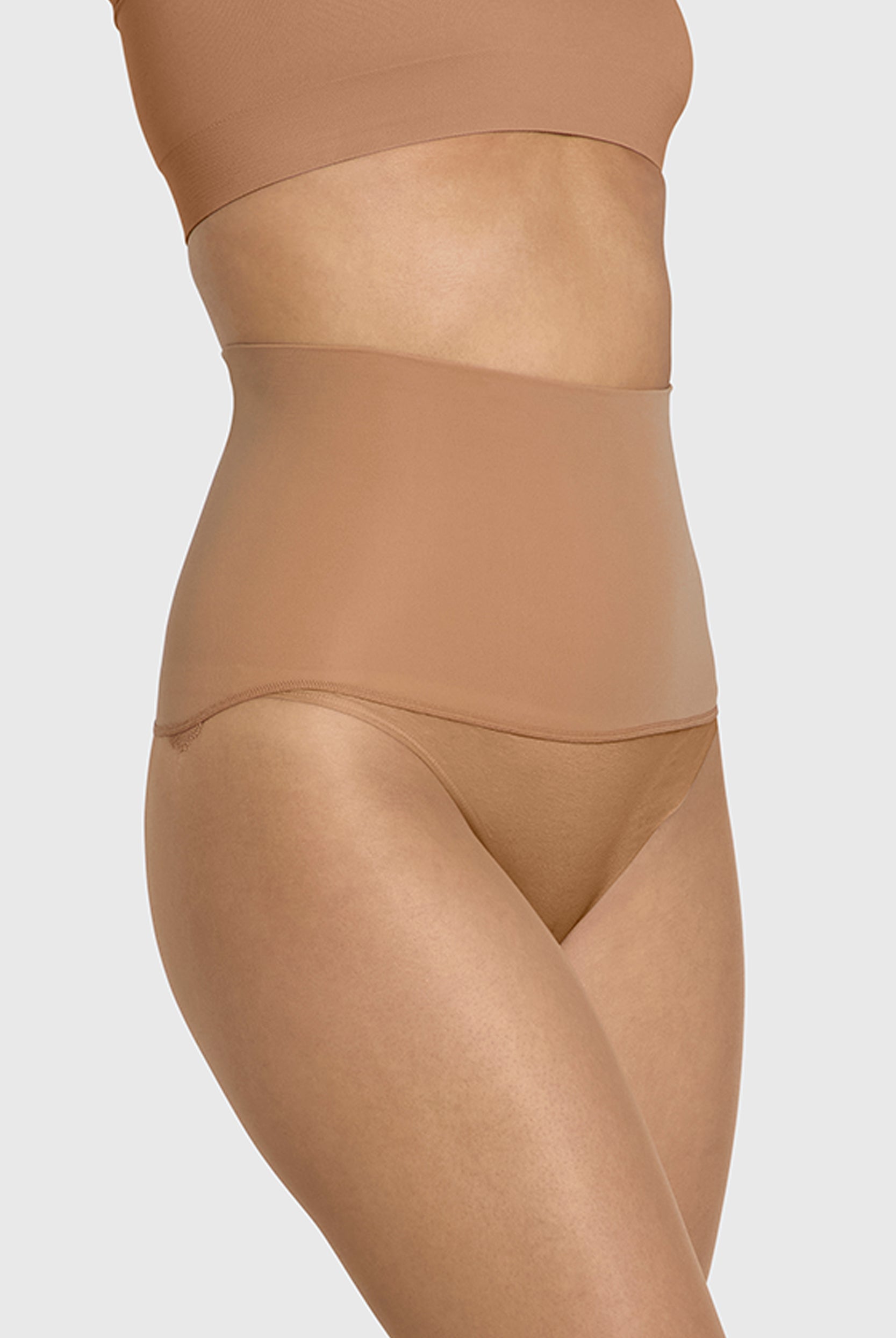
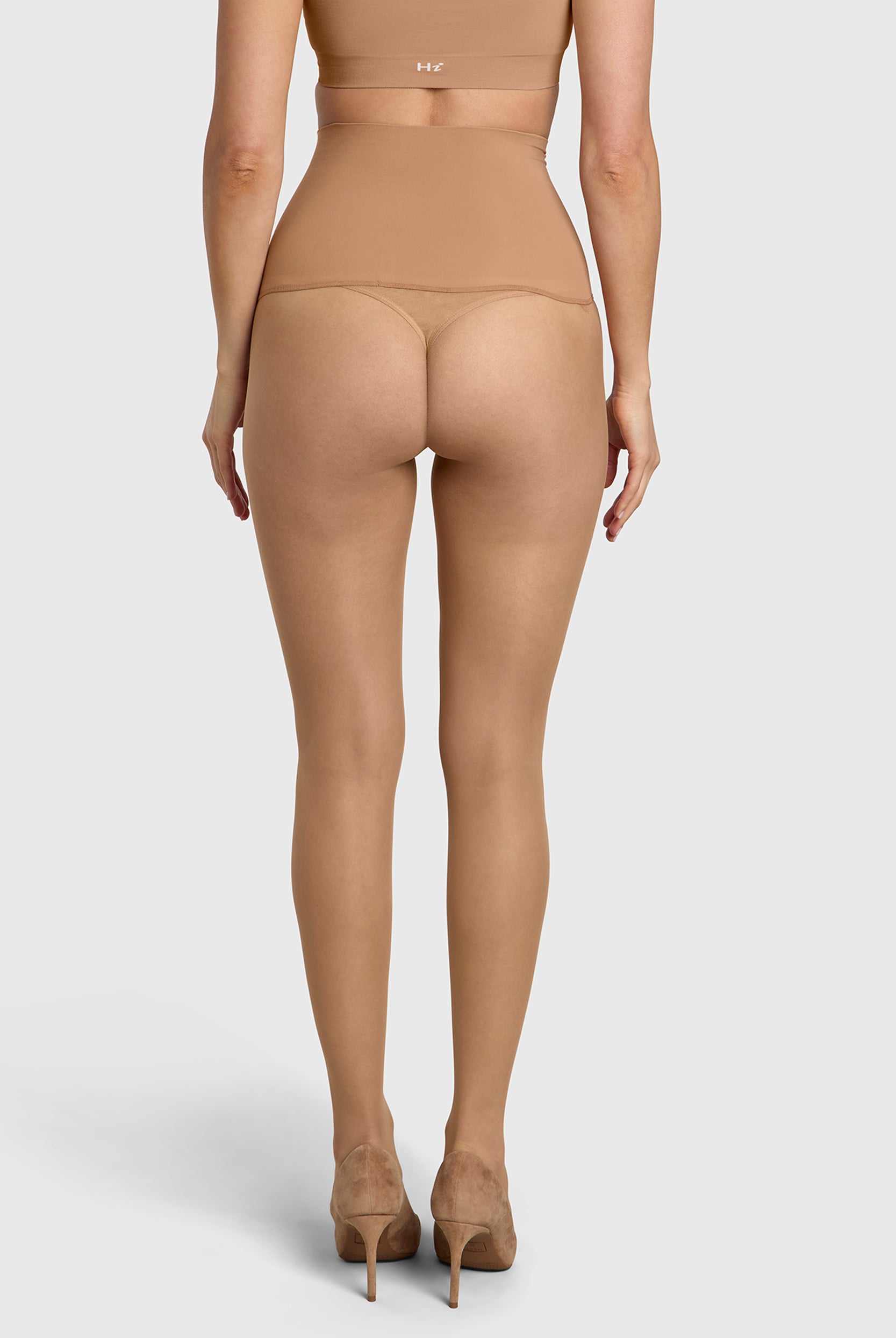
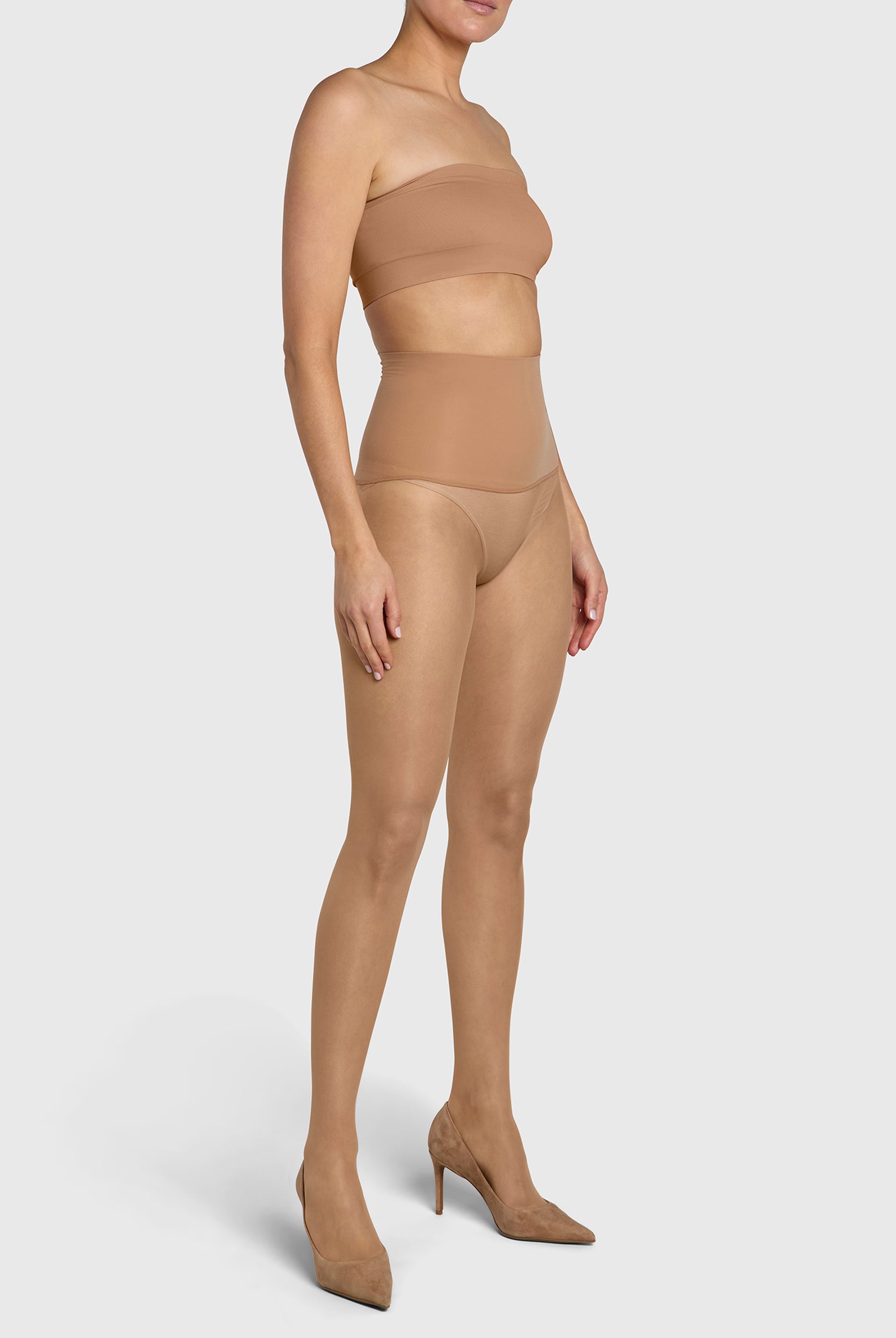

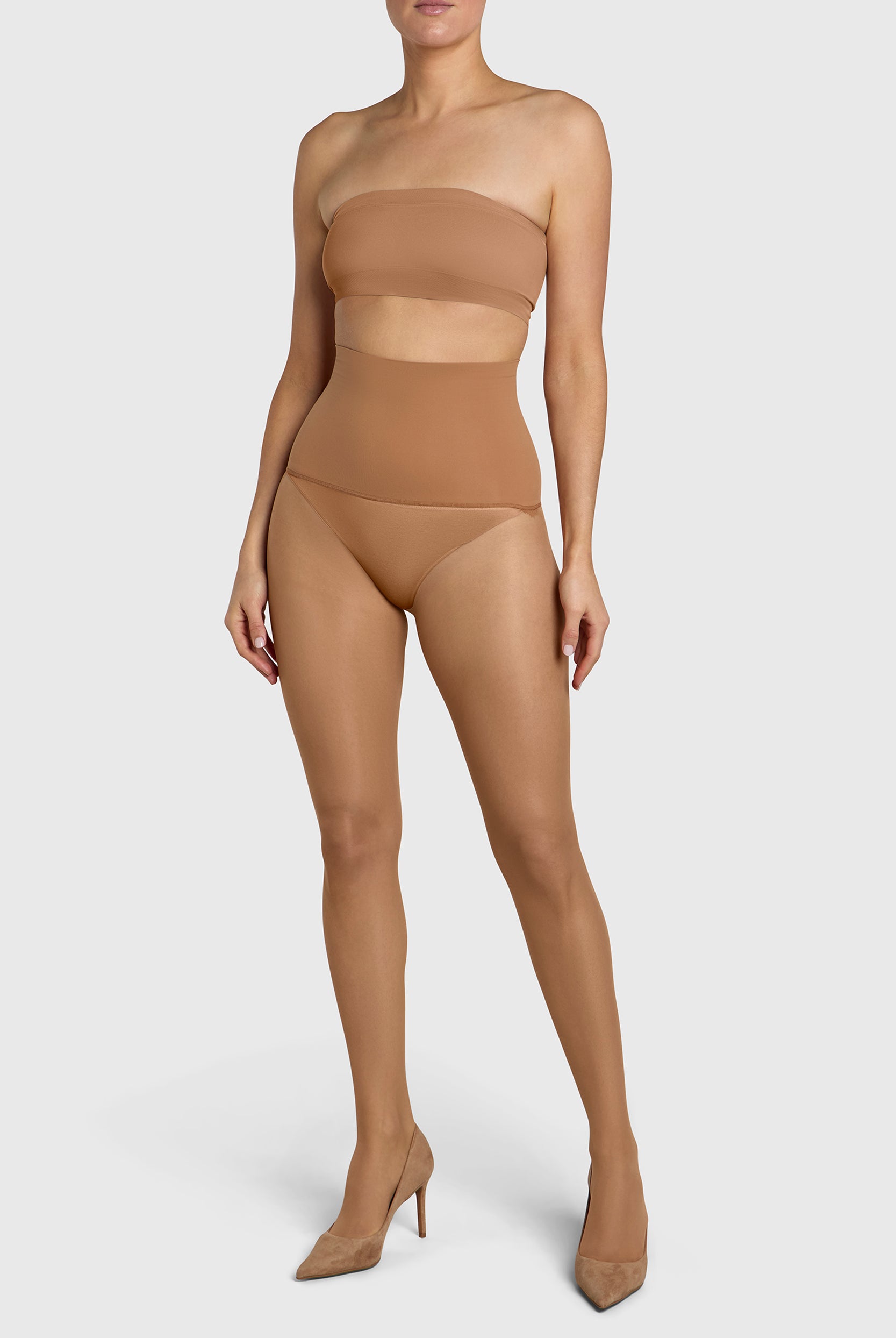
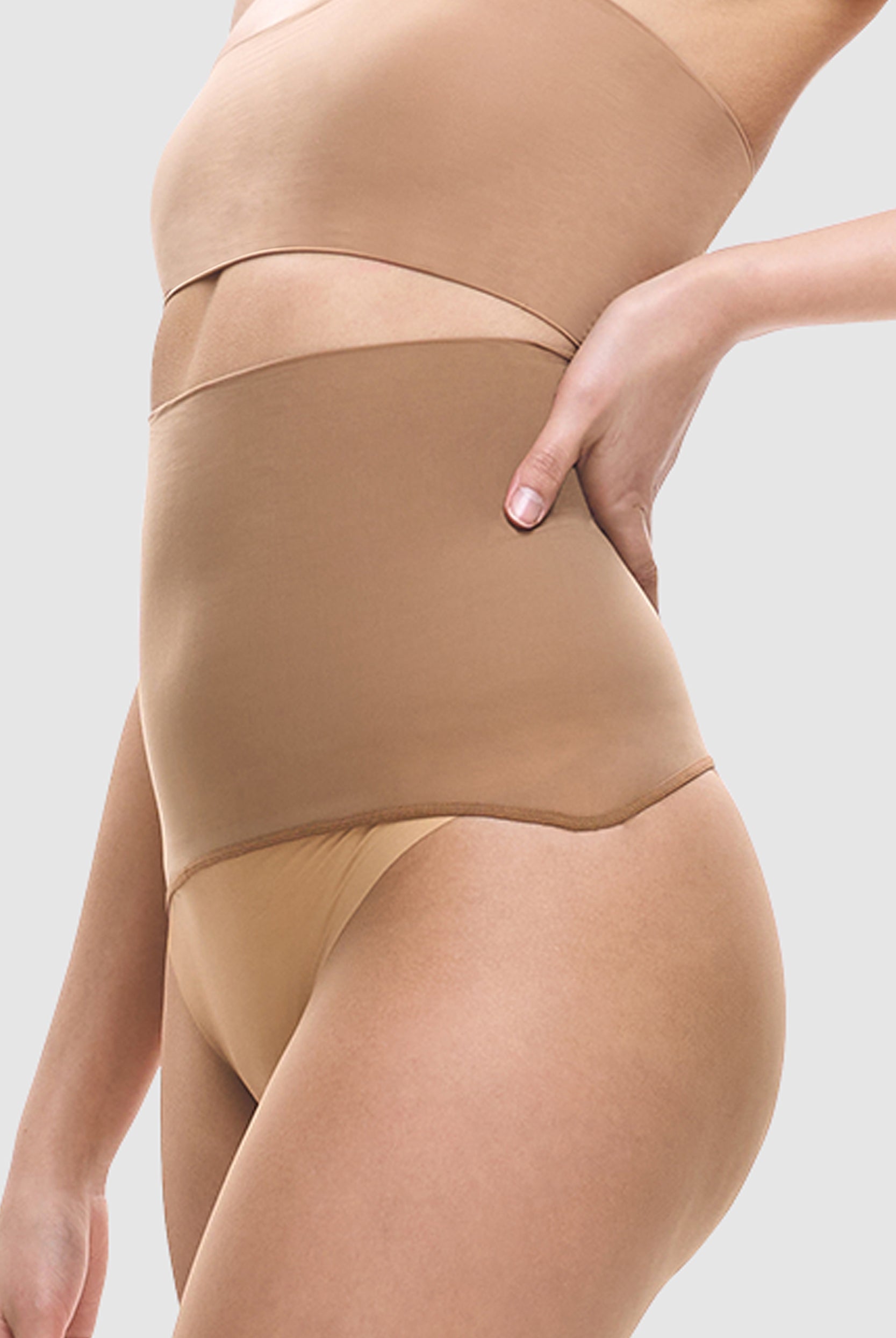
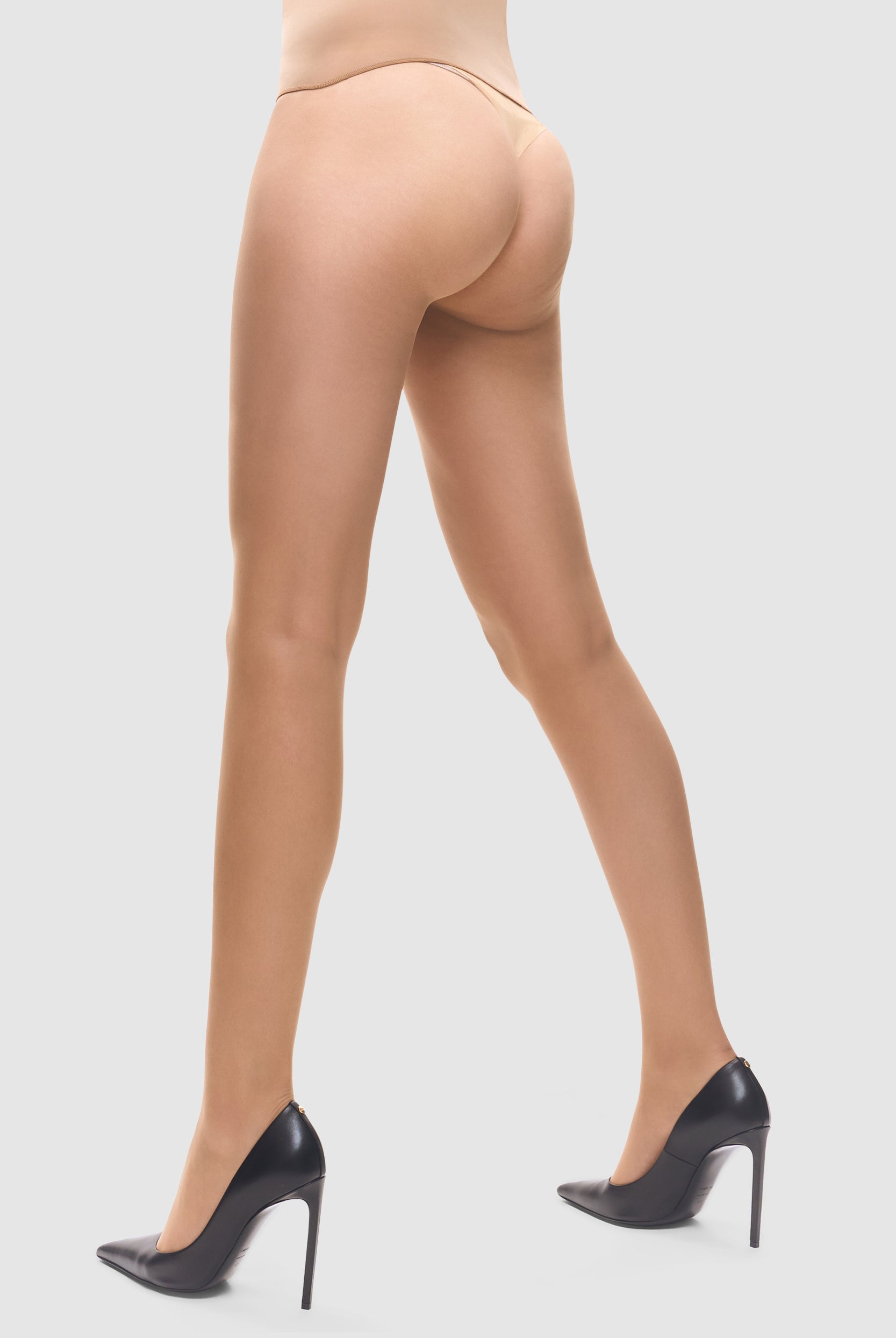
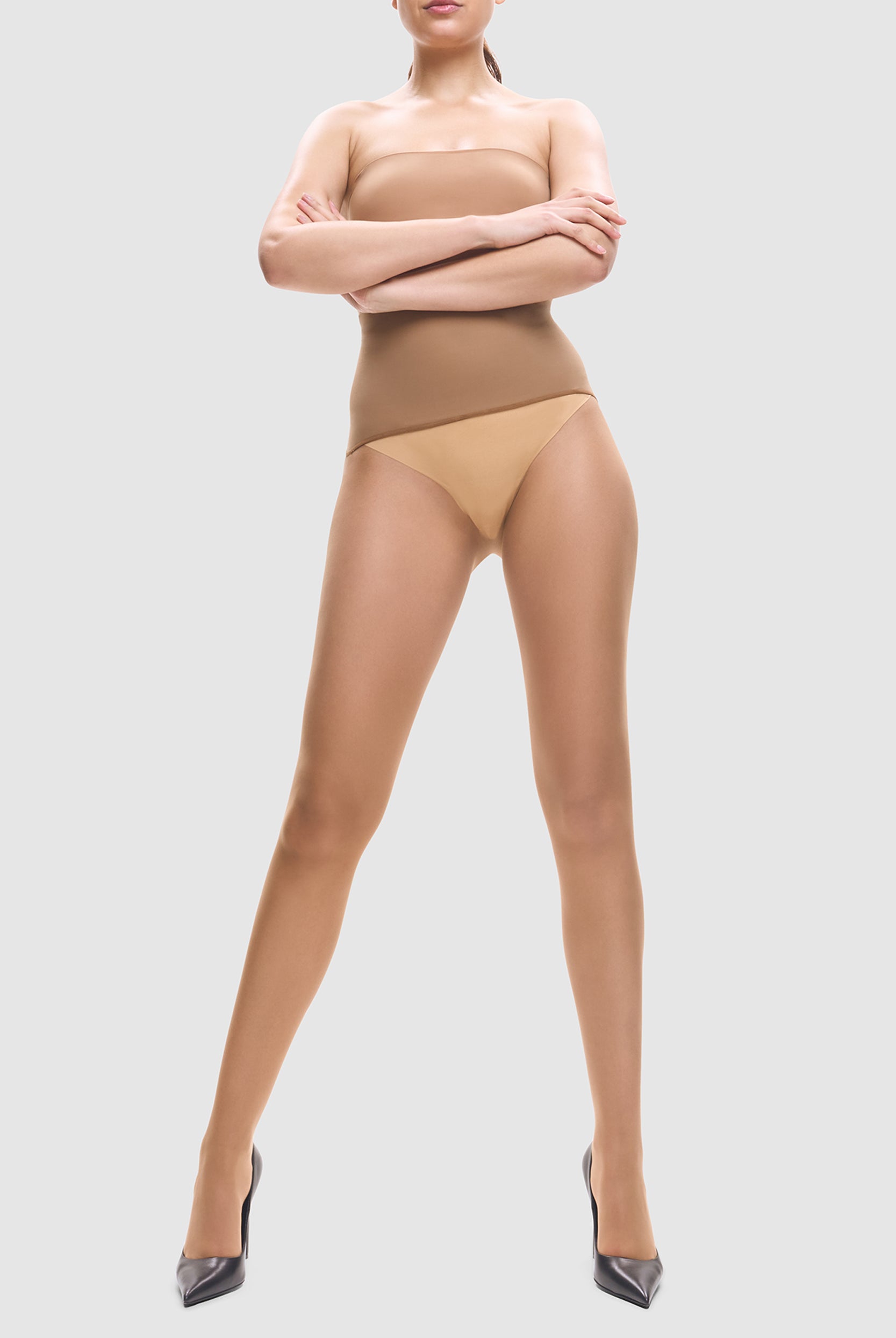
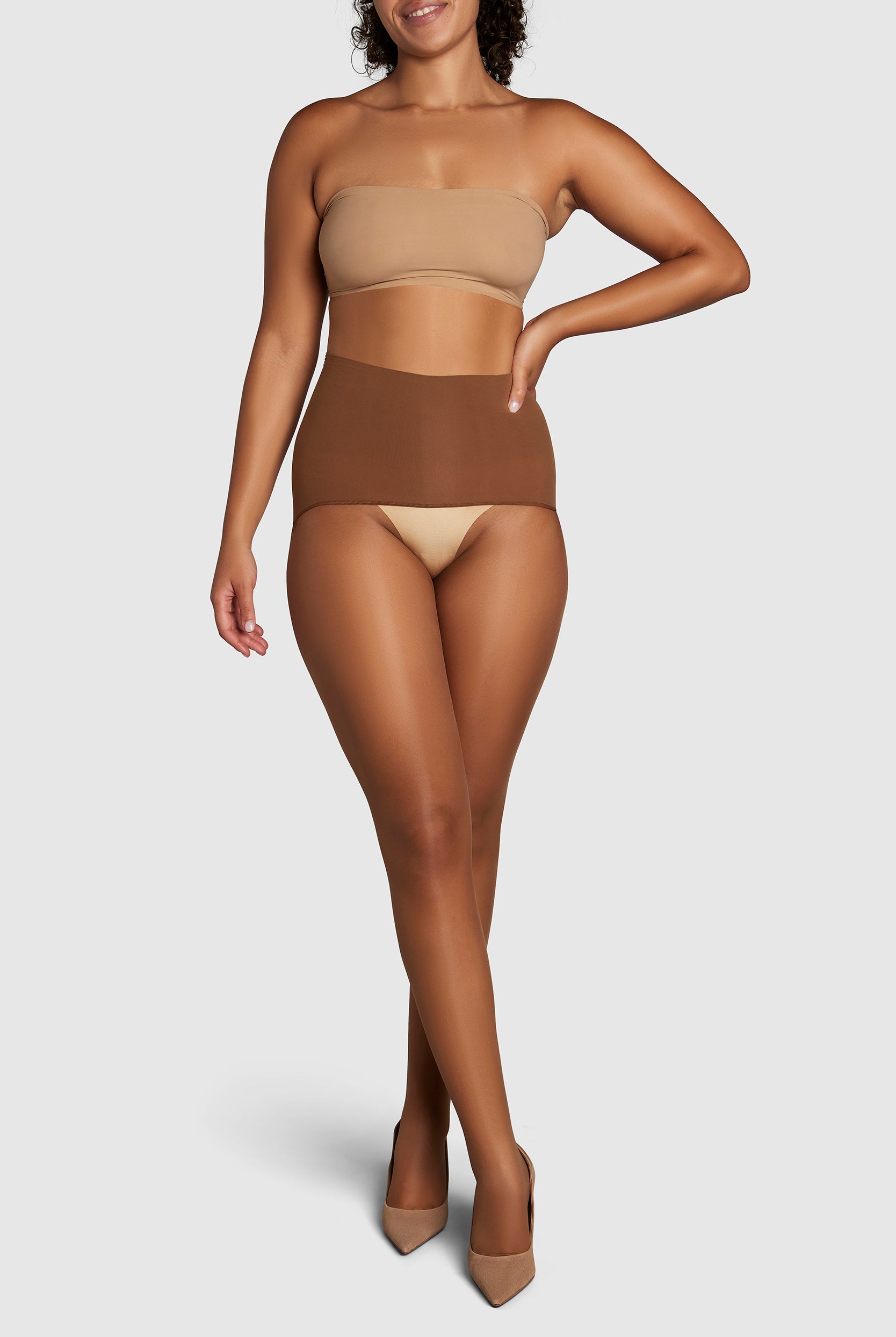
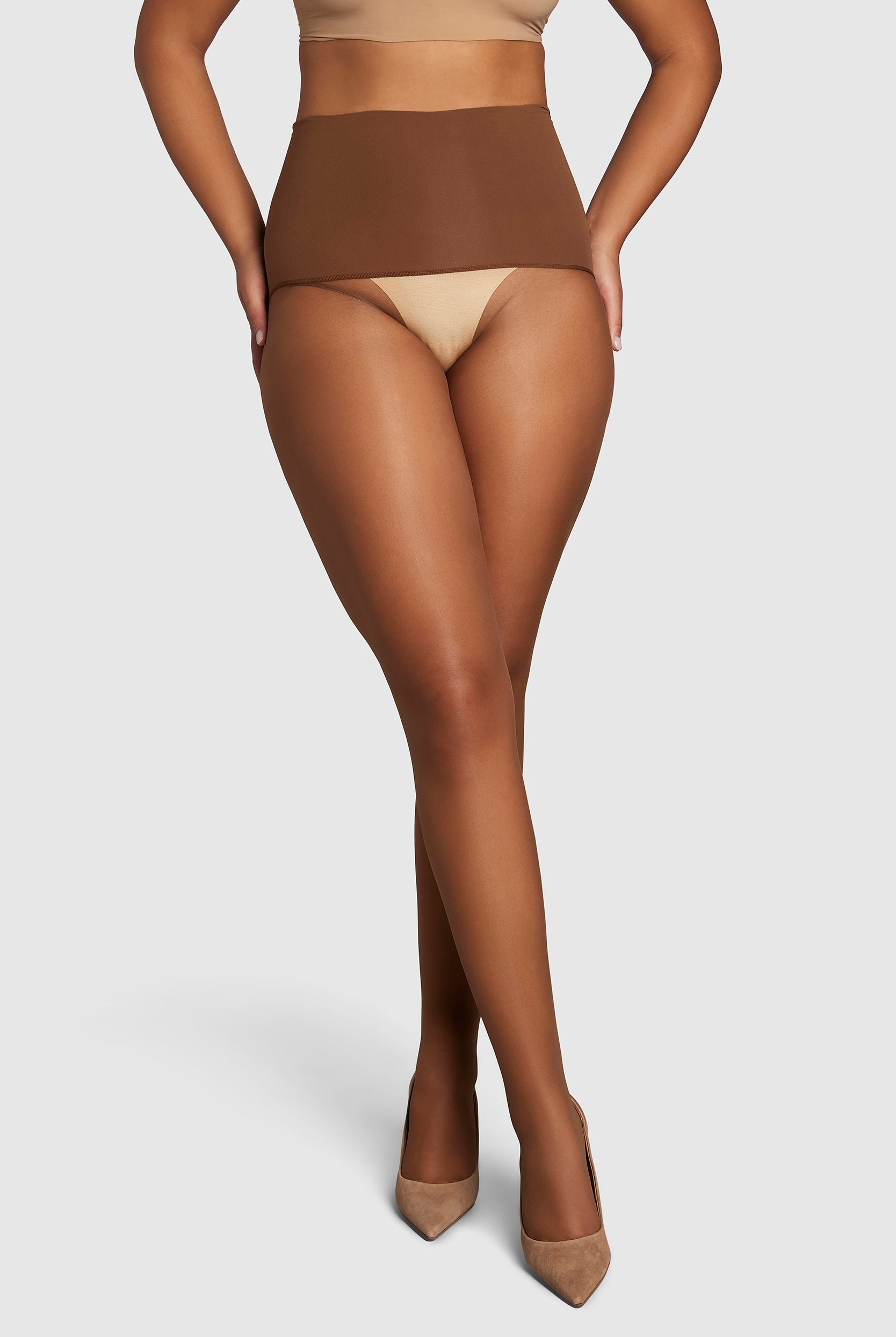
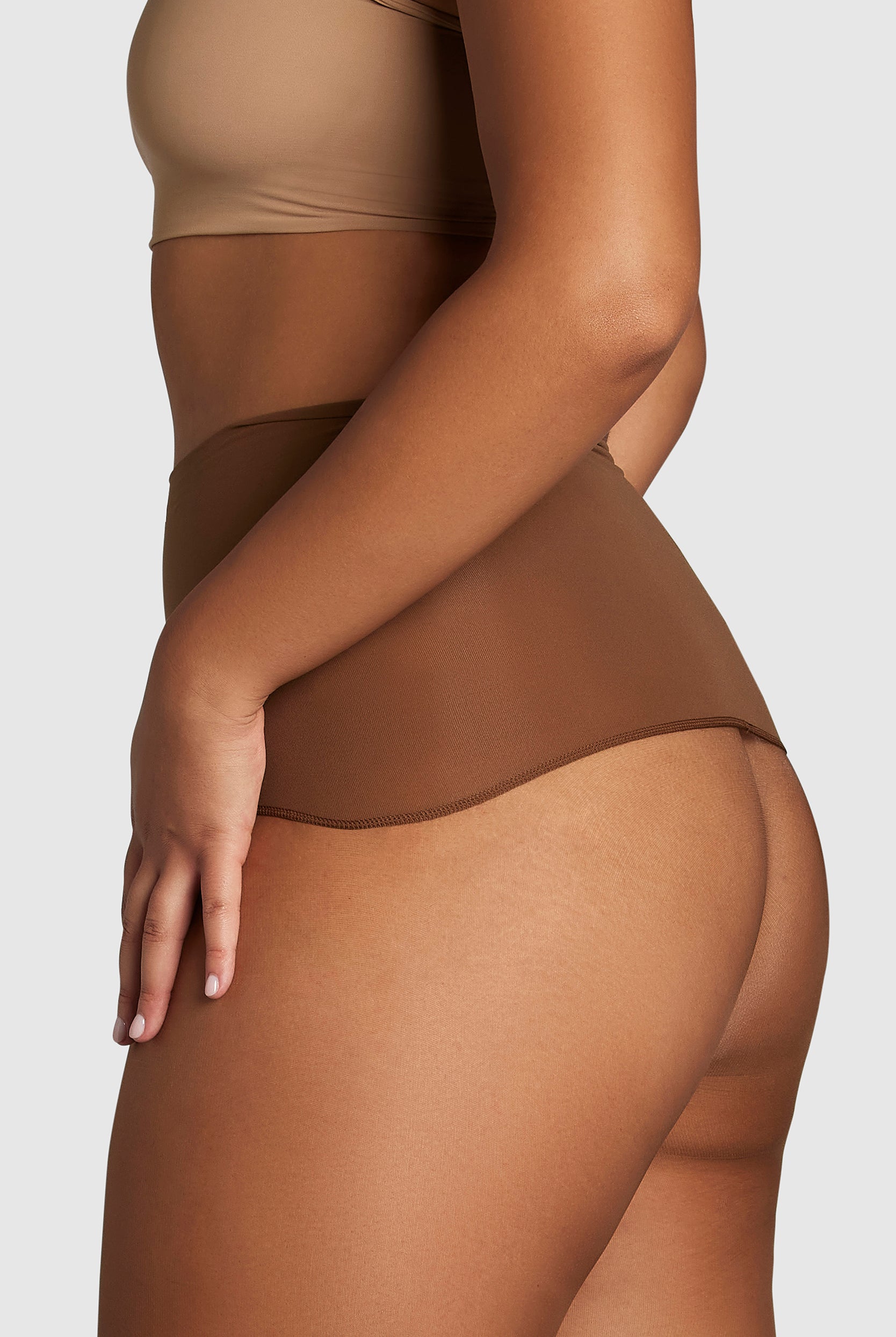
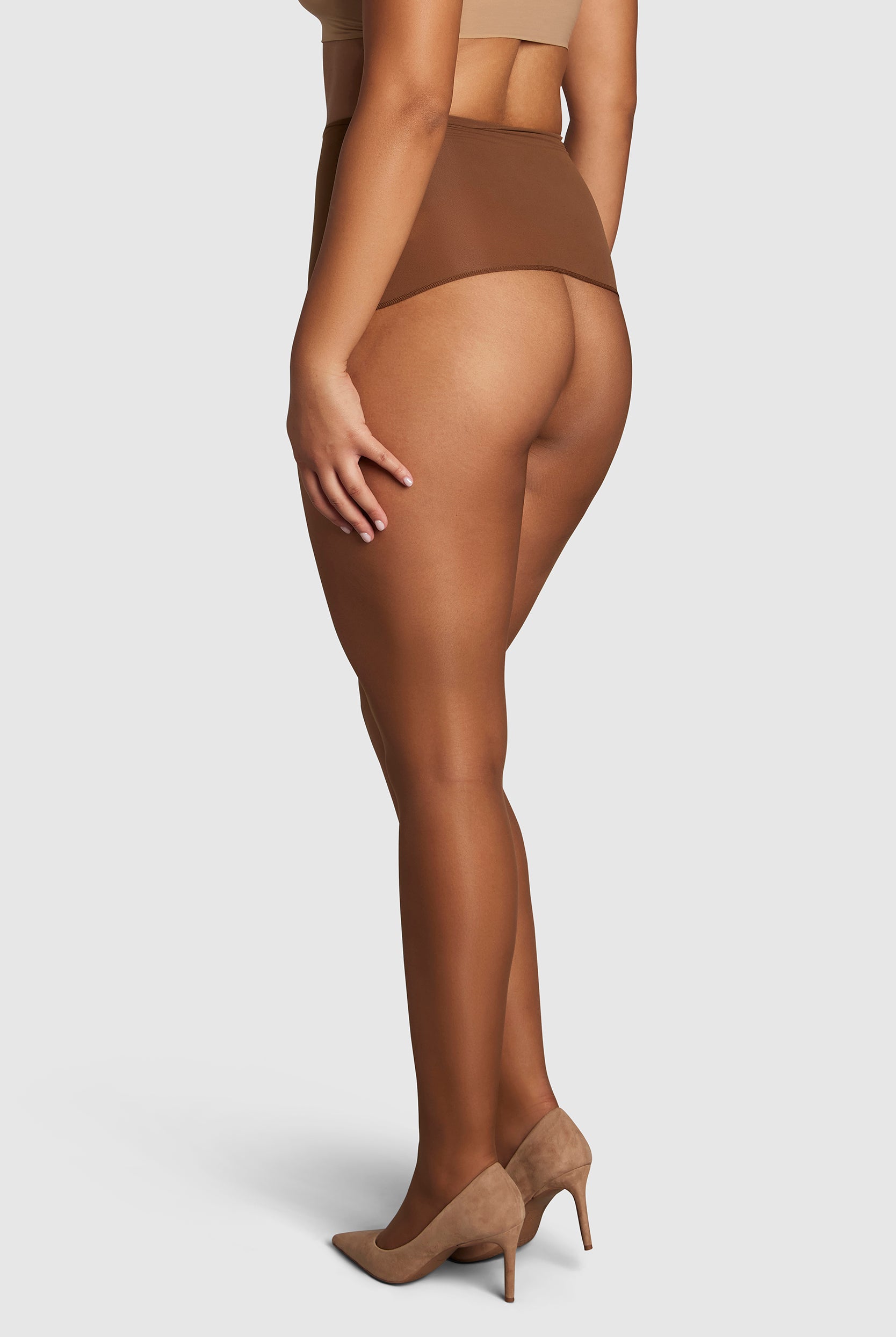
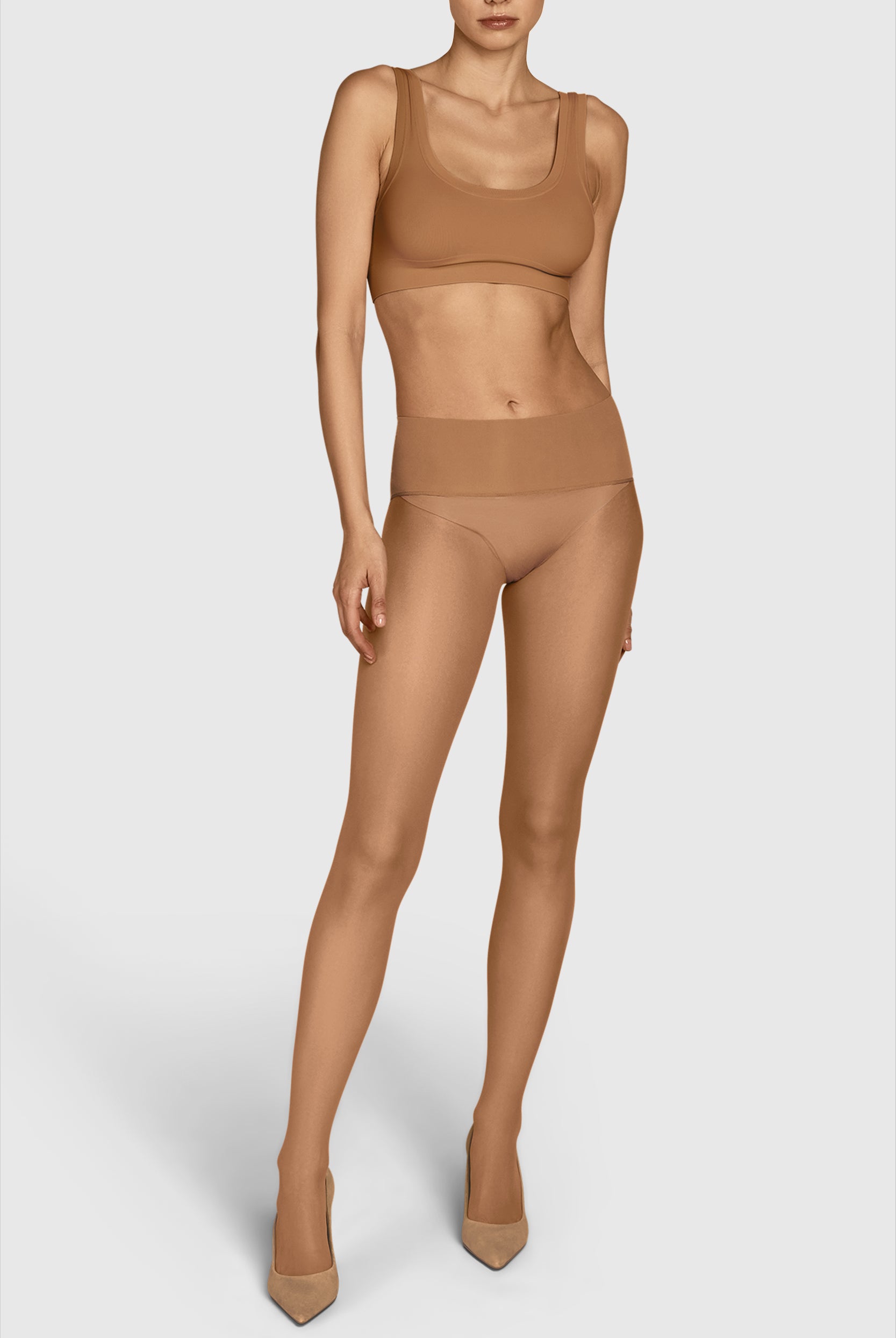
CLASSIC COVERAGE
The Nude Sheer Tights
Regular price
£33.00 GBP
Shade 10
Shade 20
Shade 30
Shade 40
Shade 50
Shade 60
Shade 70
X3 or more - 15% off


The Sixty Opaque Tights Black
X3 or more - 15% off
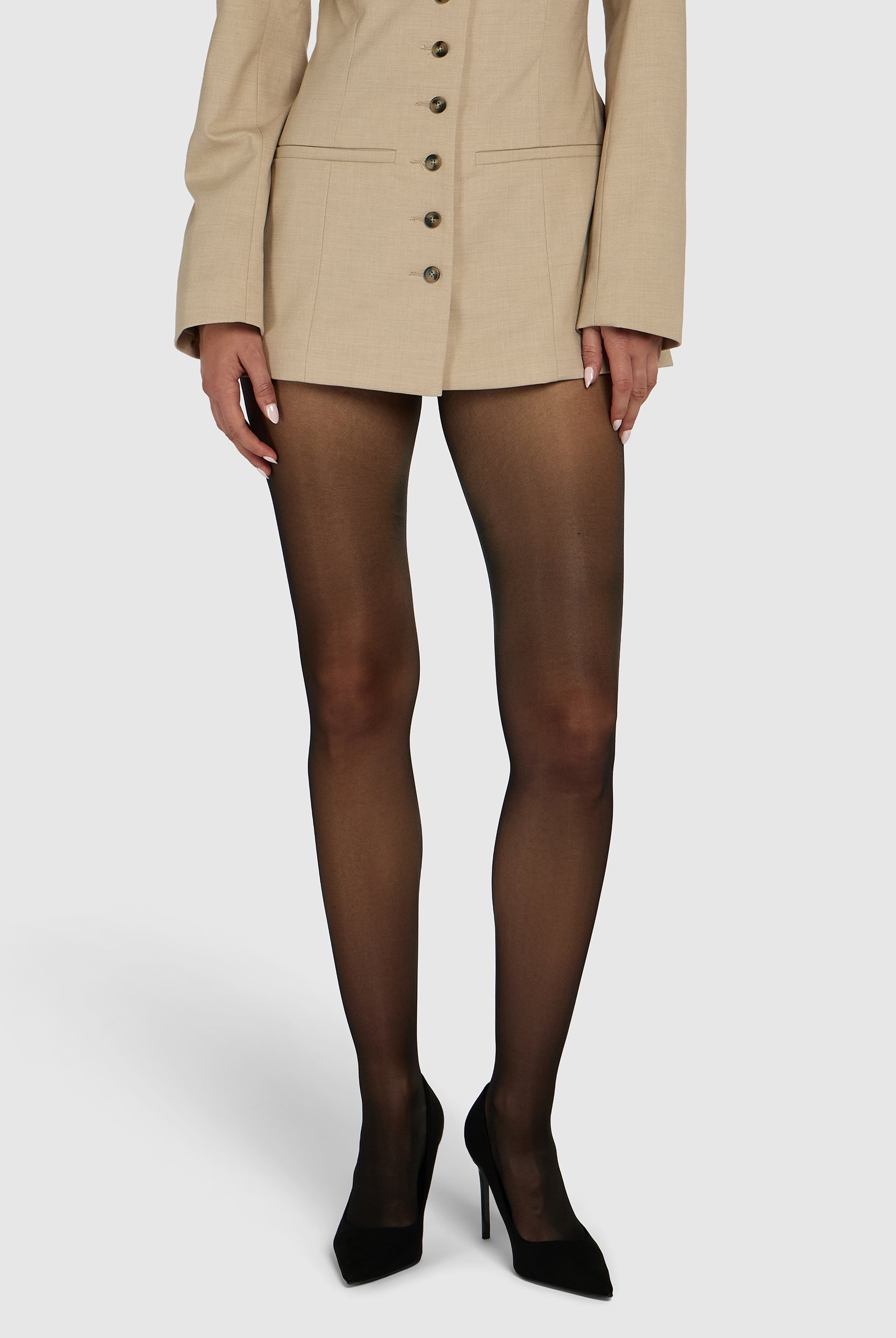
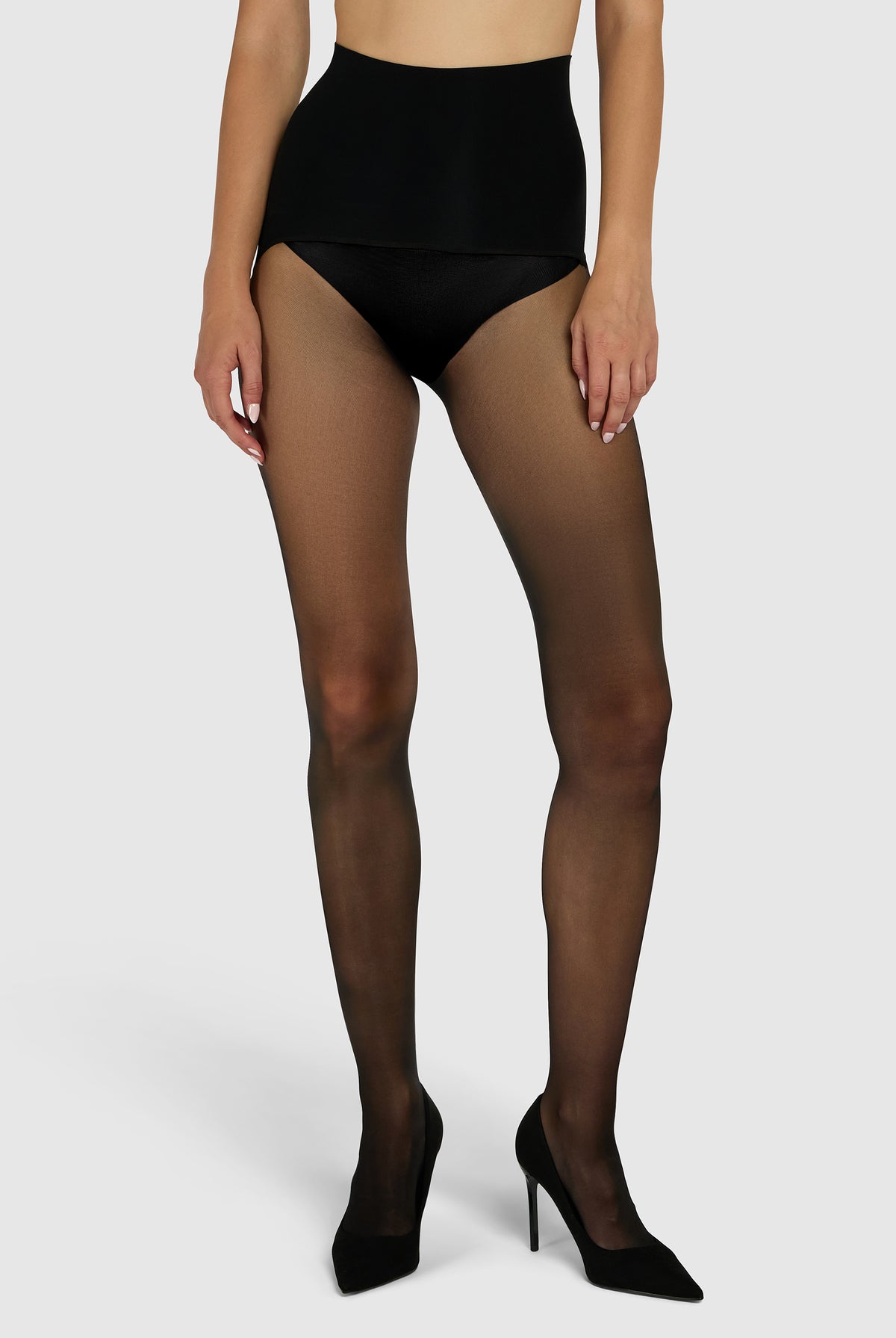
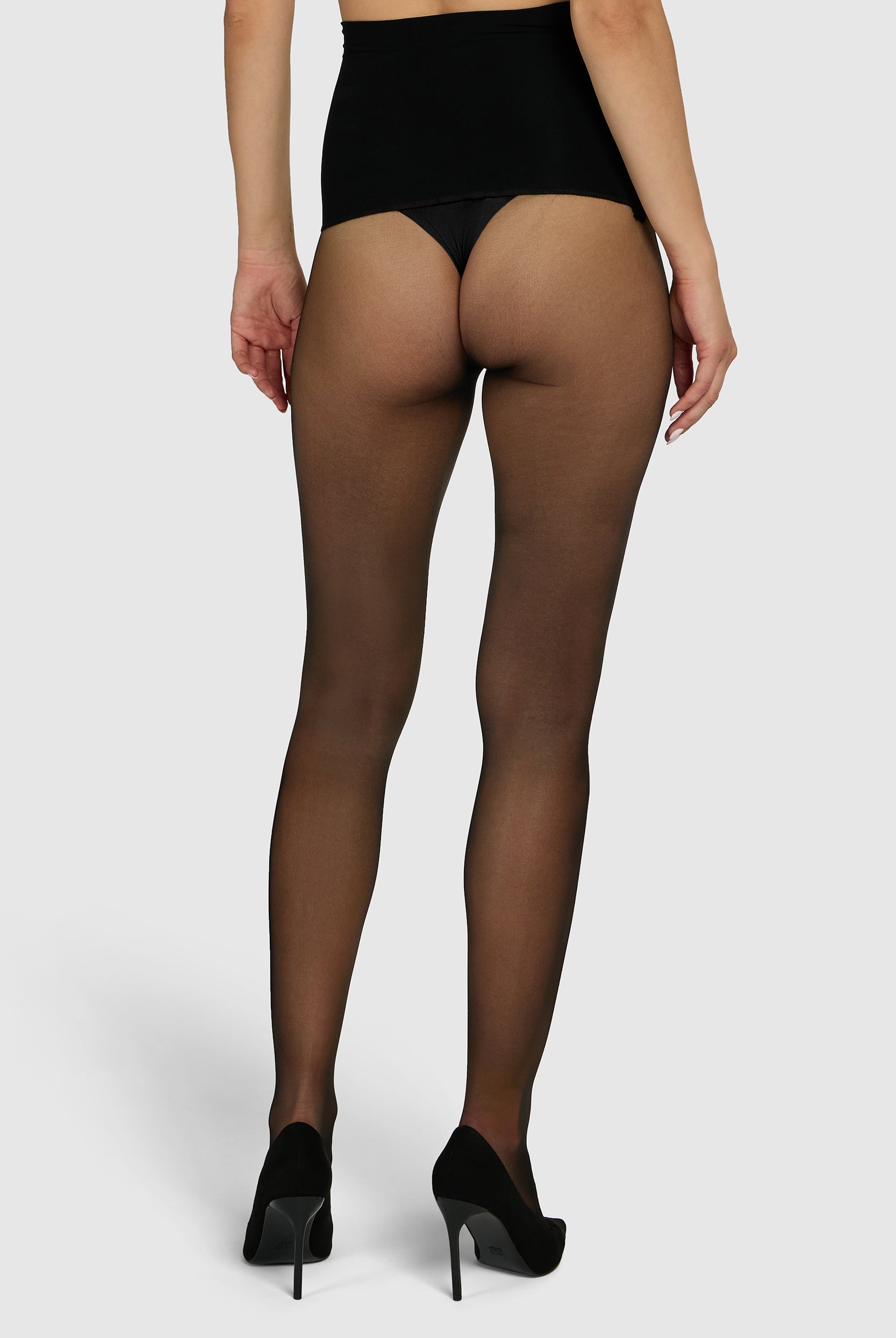
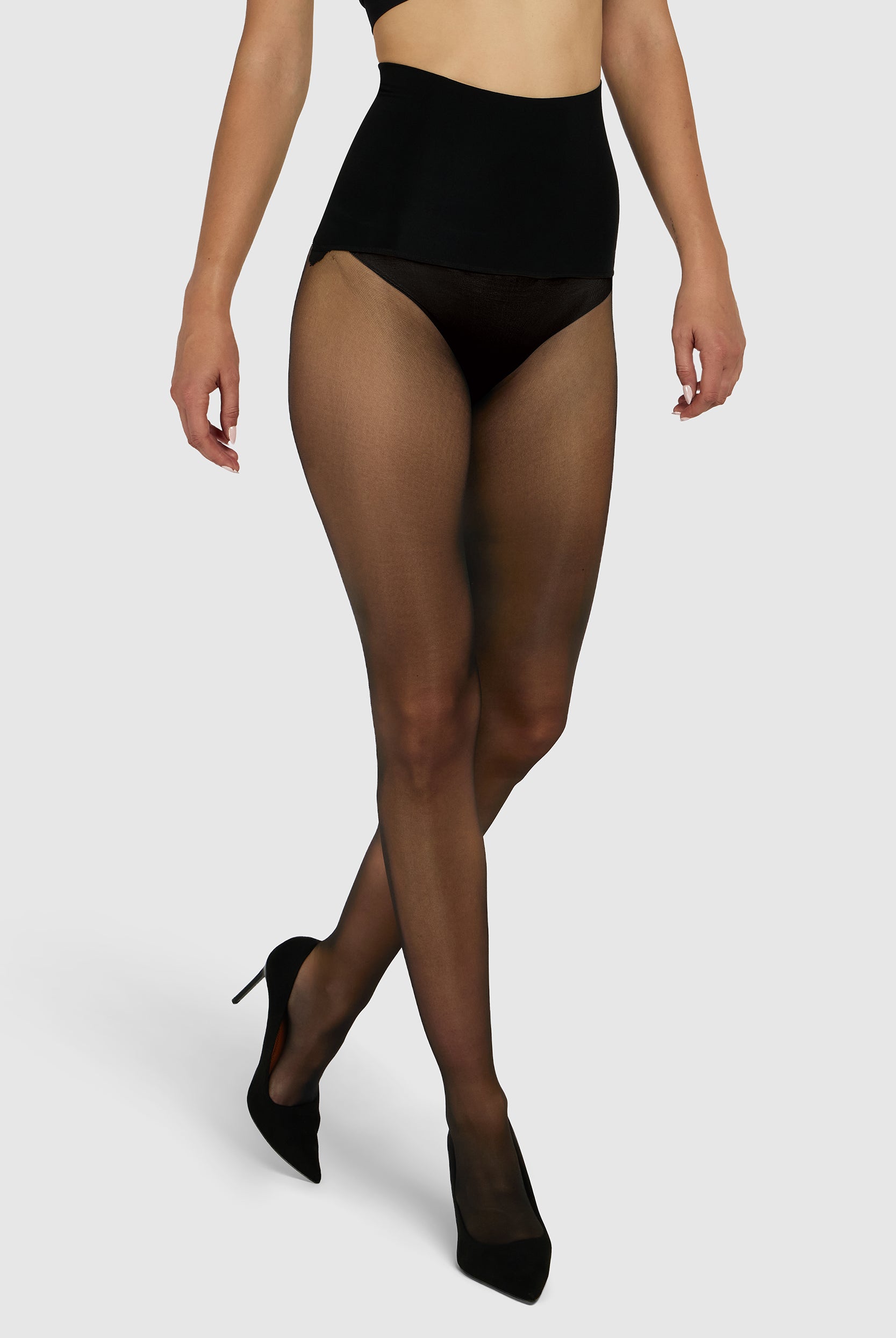
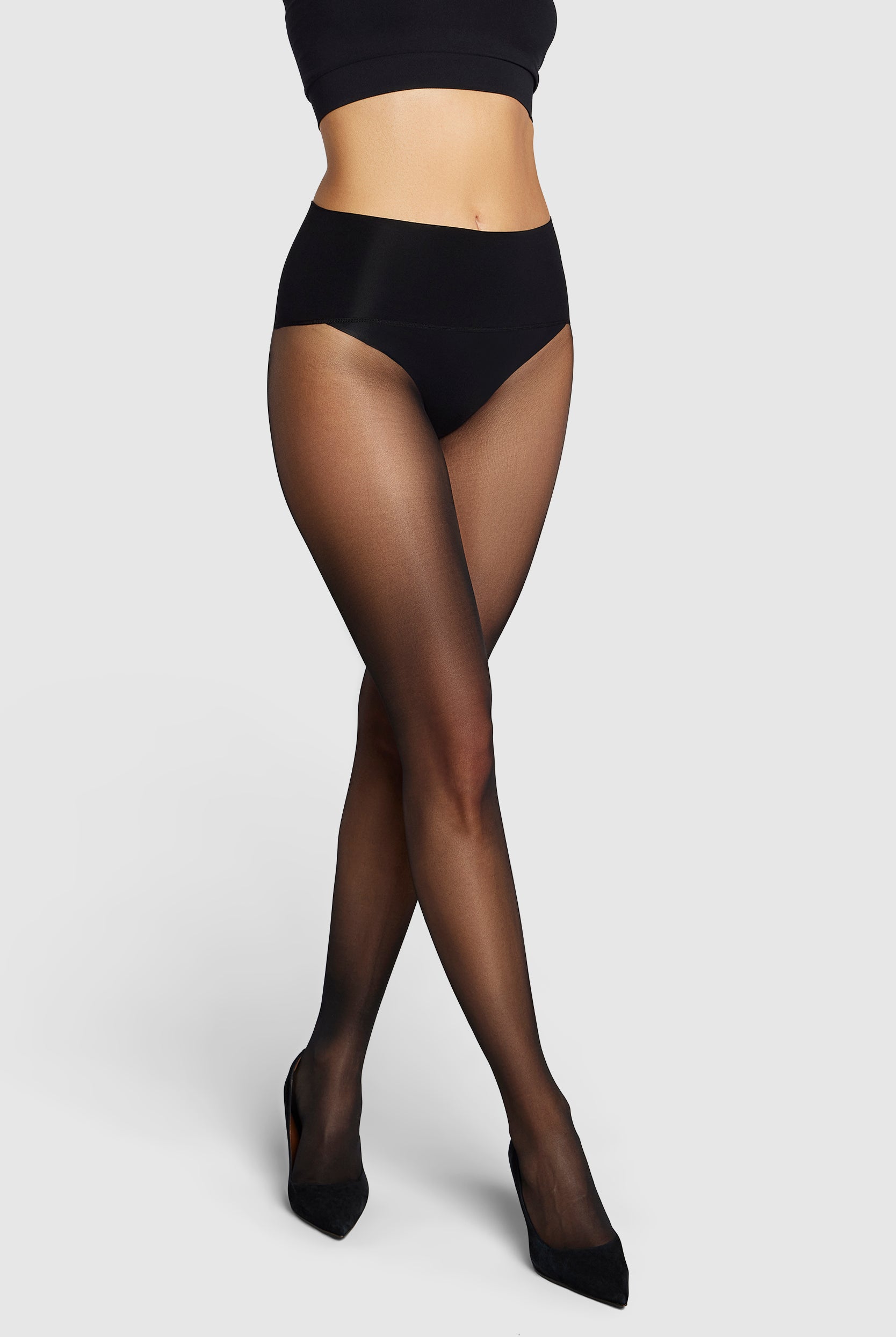
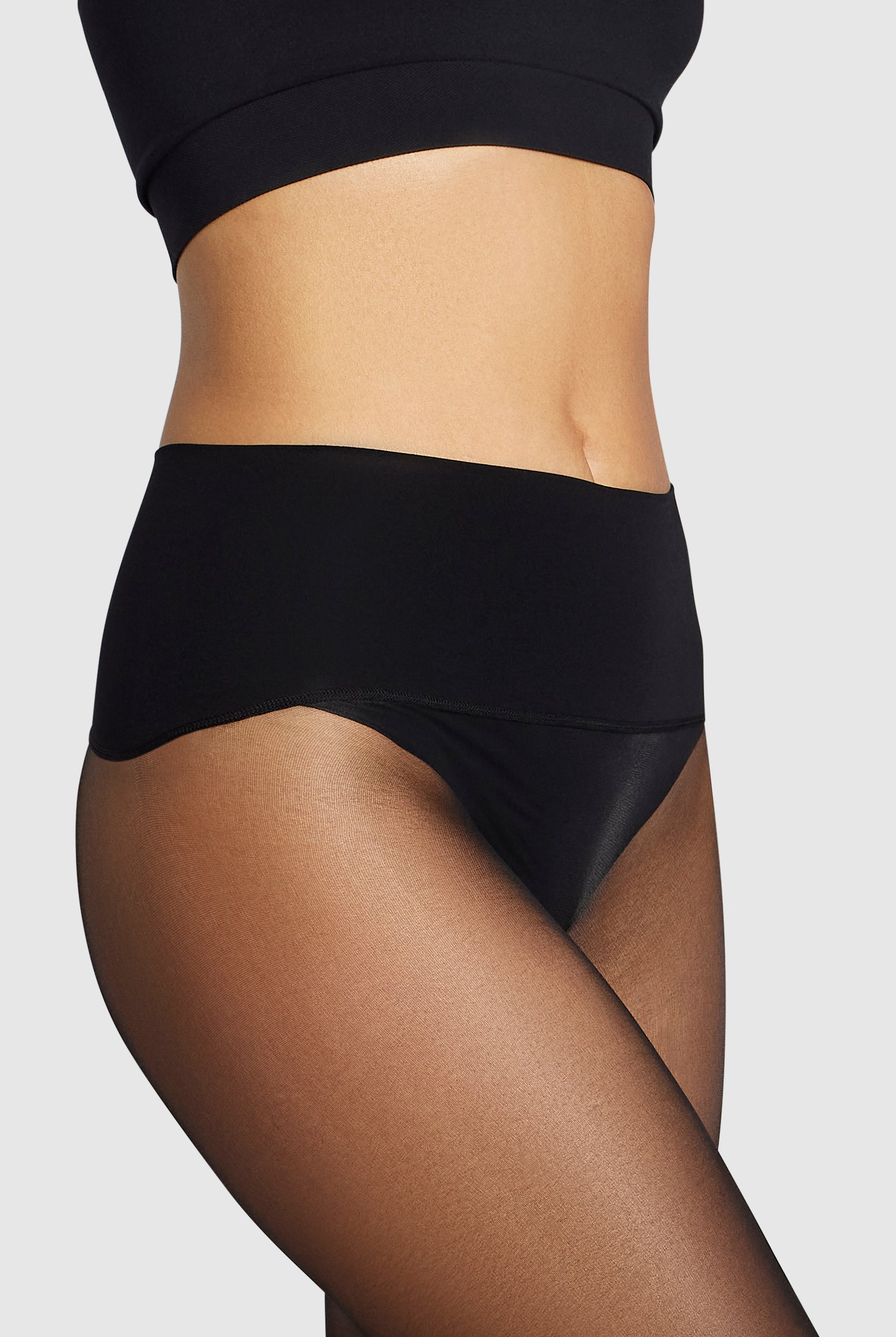
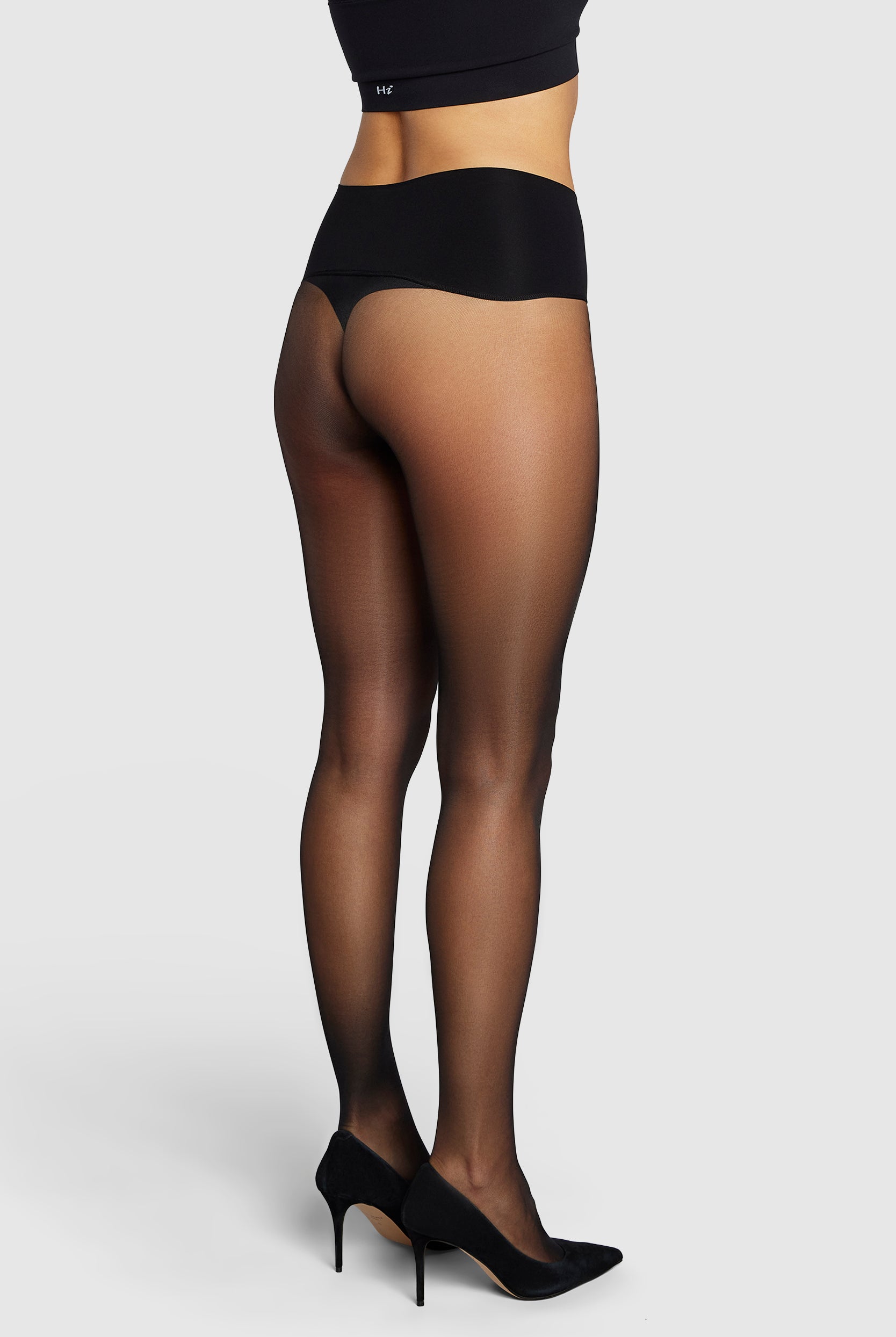
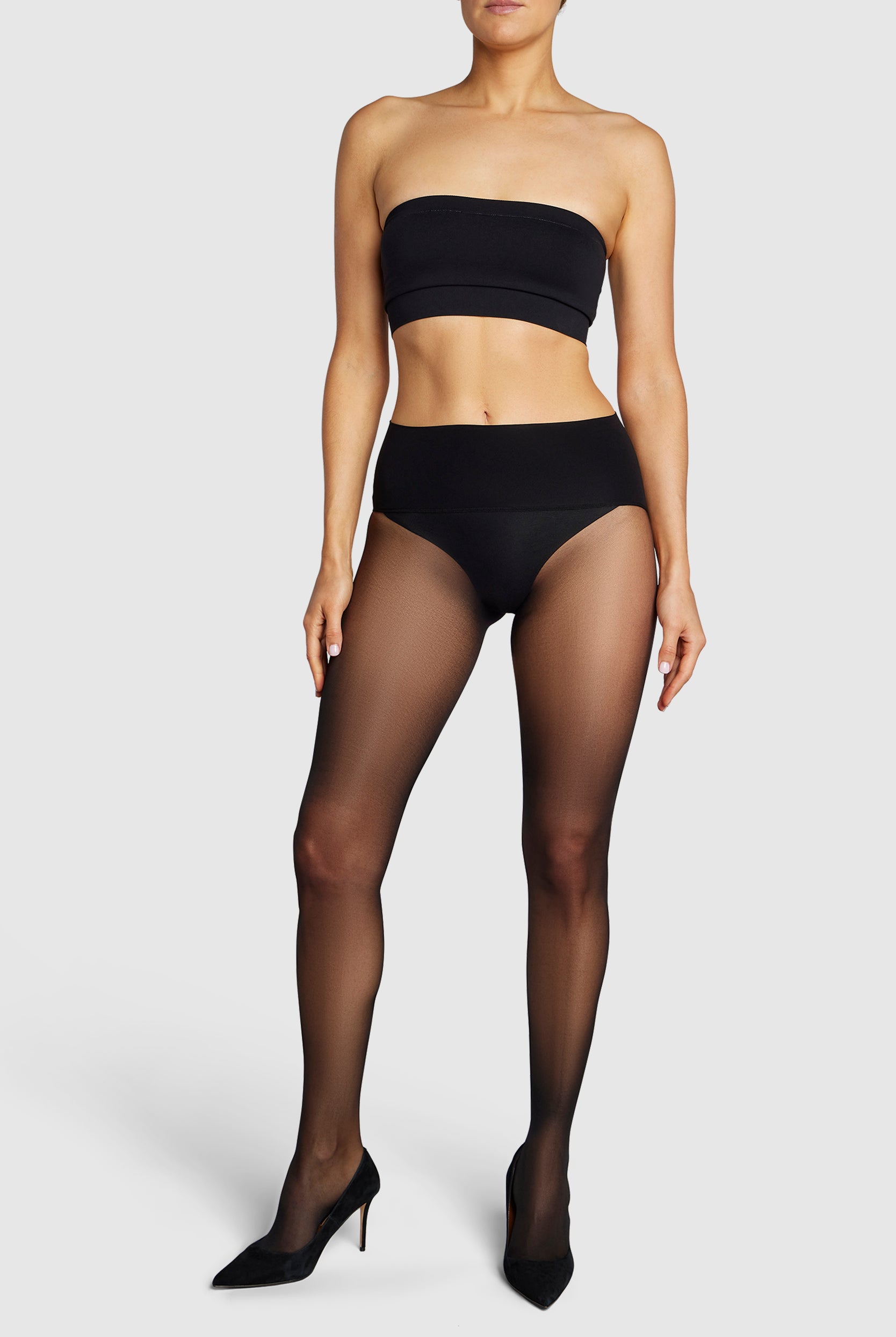
The Fifteen Sheer Tights Black
X3 or more - 15% off


The Thirty-Five Semi-Opaque Contour Tights Black
Regular price
£48.00 GBP
Black
X3 or more - 15% off


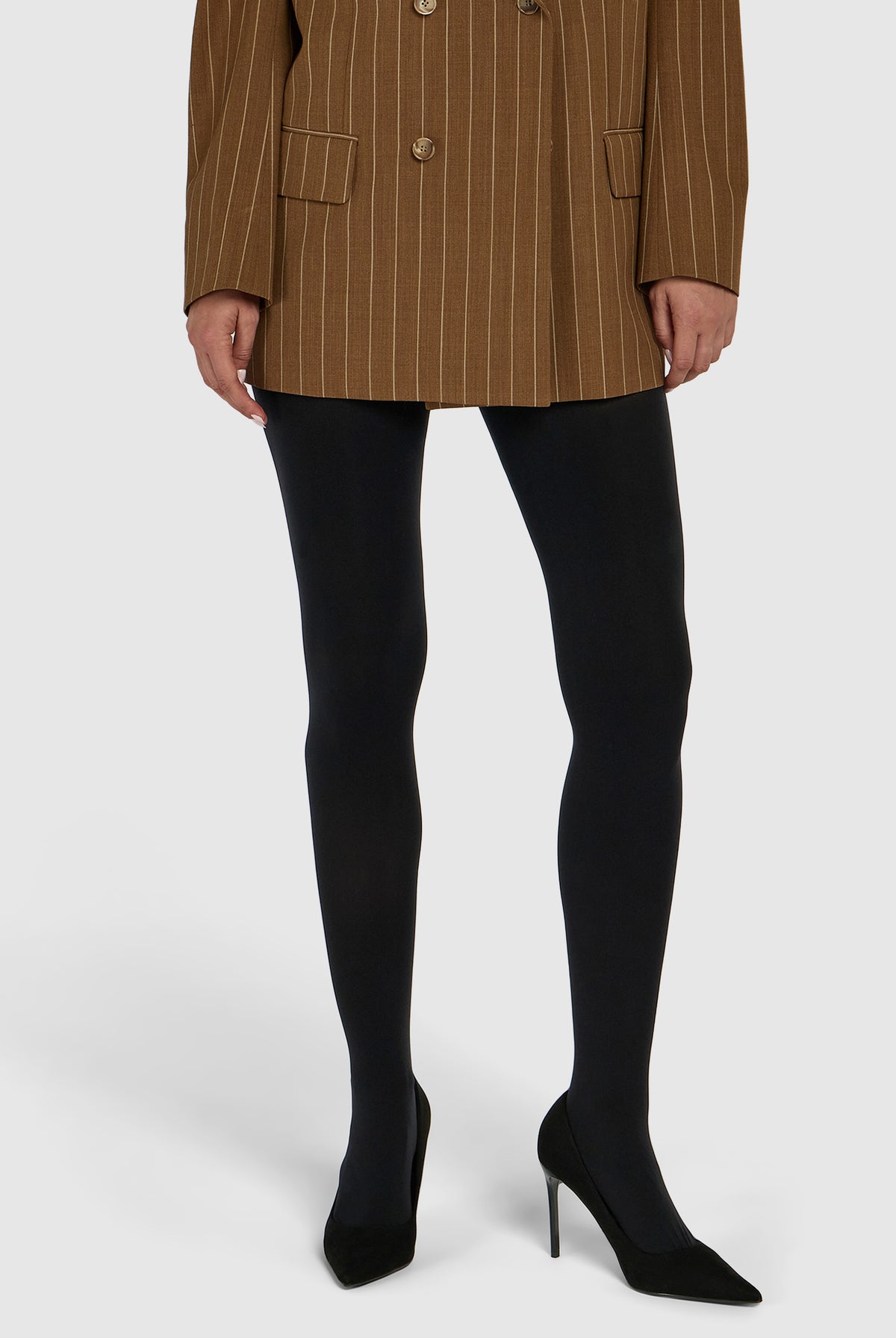



The Eighty Opaque Tights Black
X3 or more - 15% off


The Fine Line Black
Regular price
£39.00 GBP
Black
X3 or more - 15% off
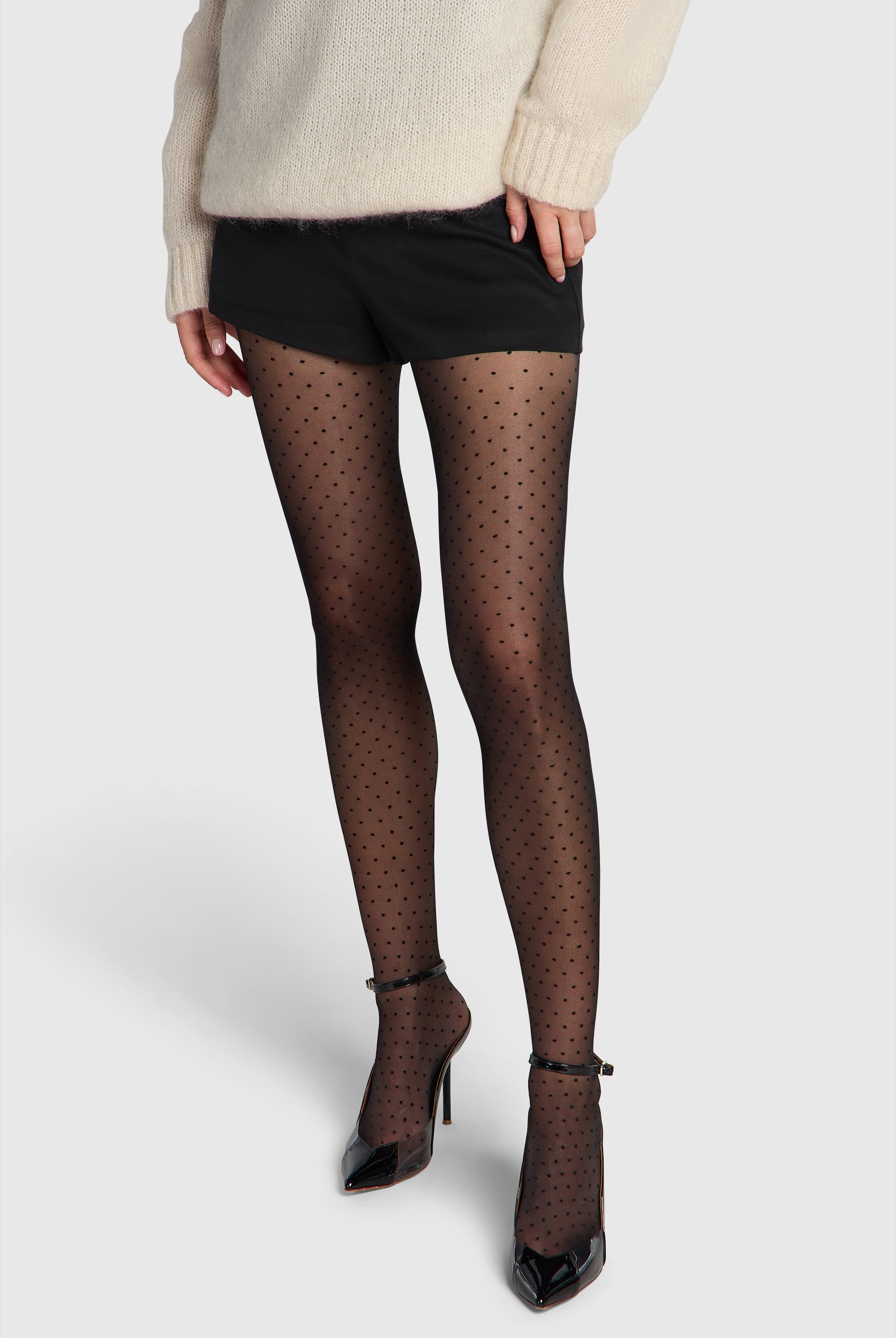
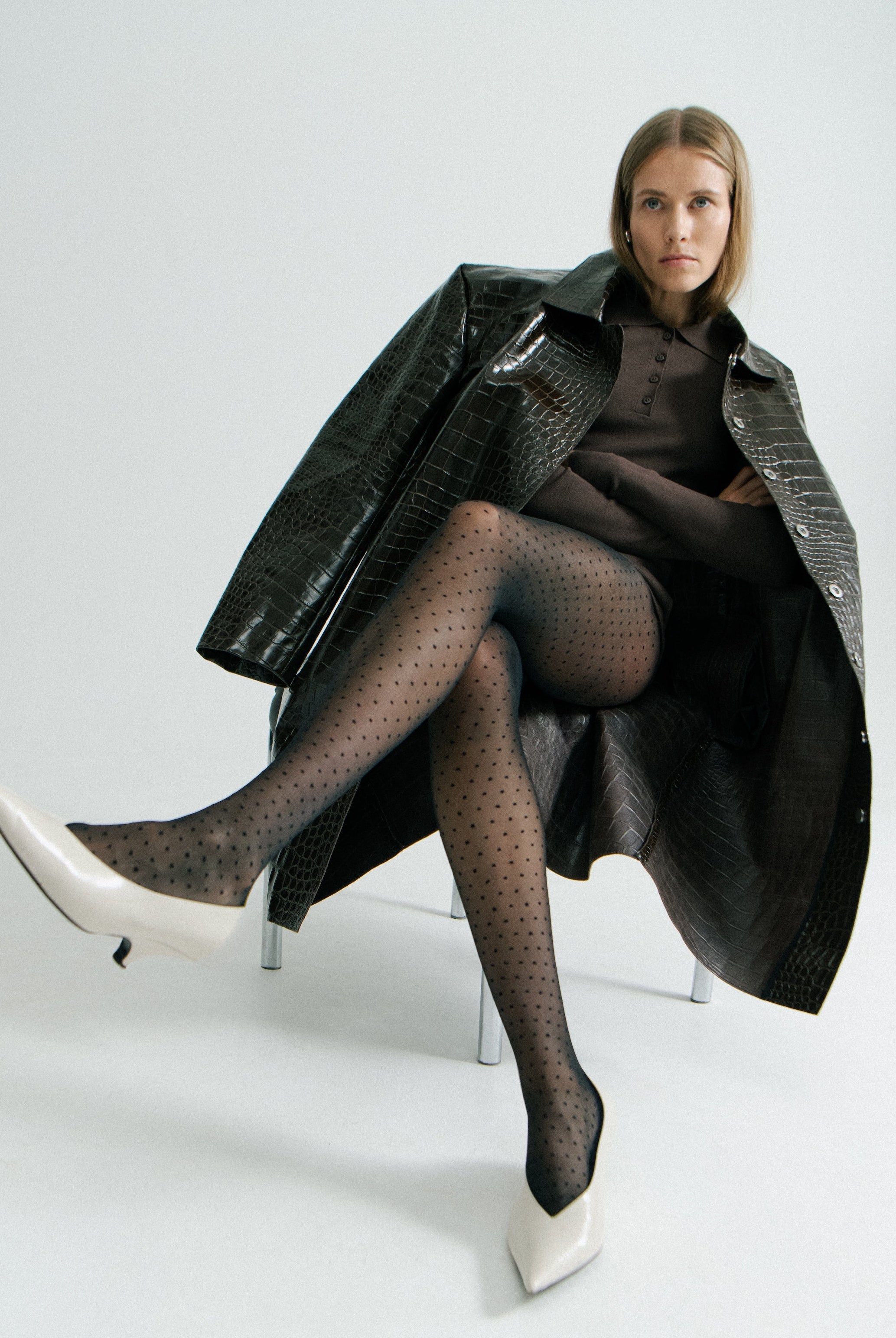
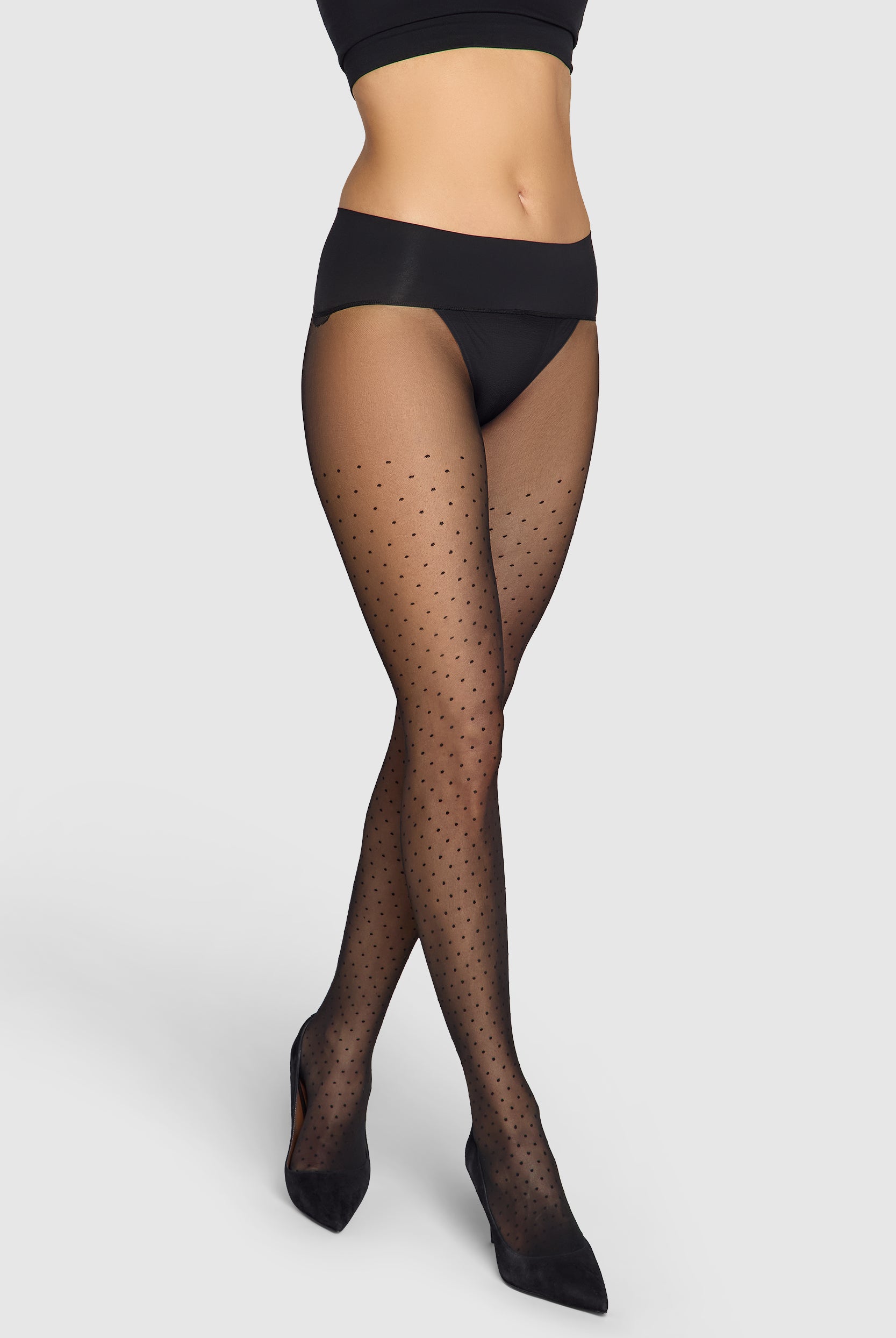
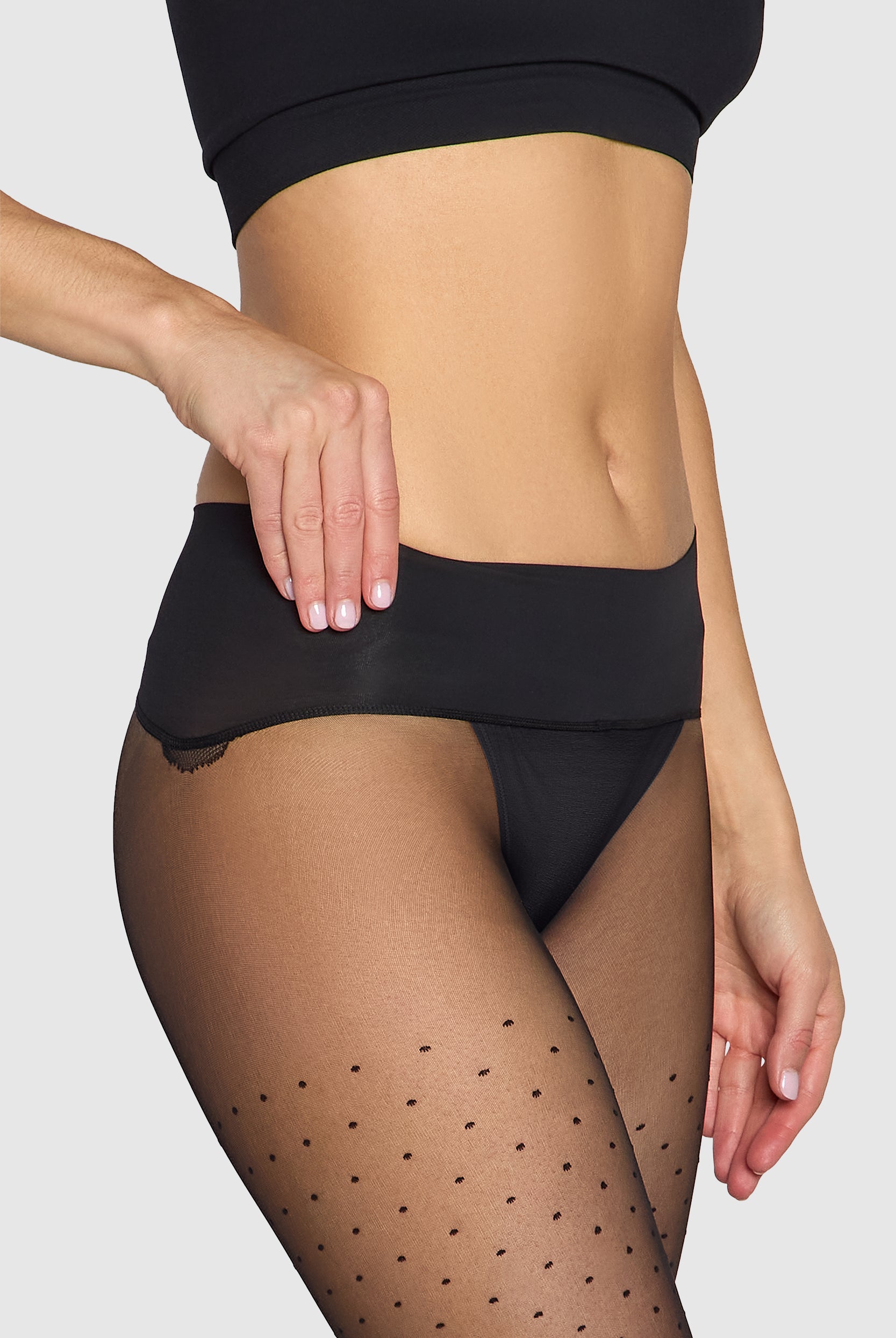
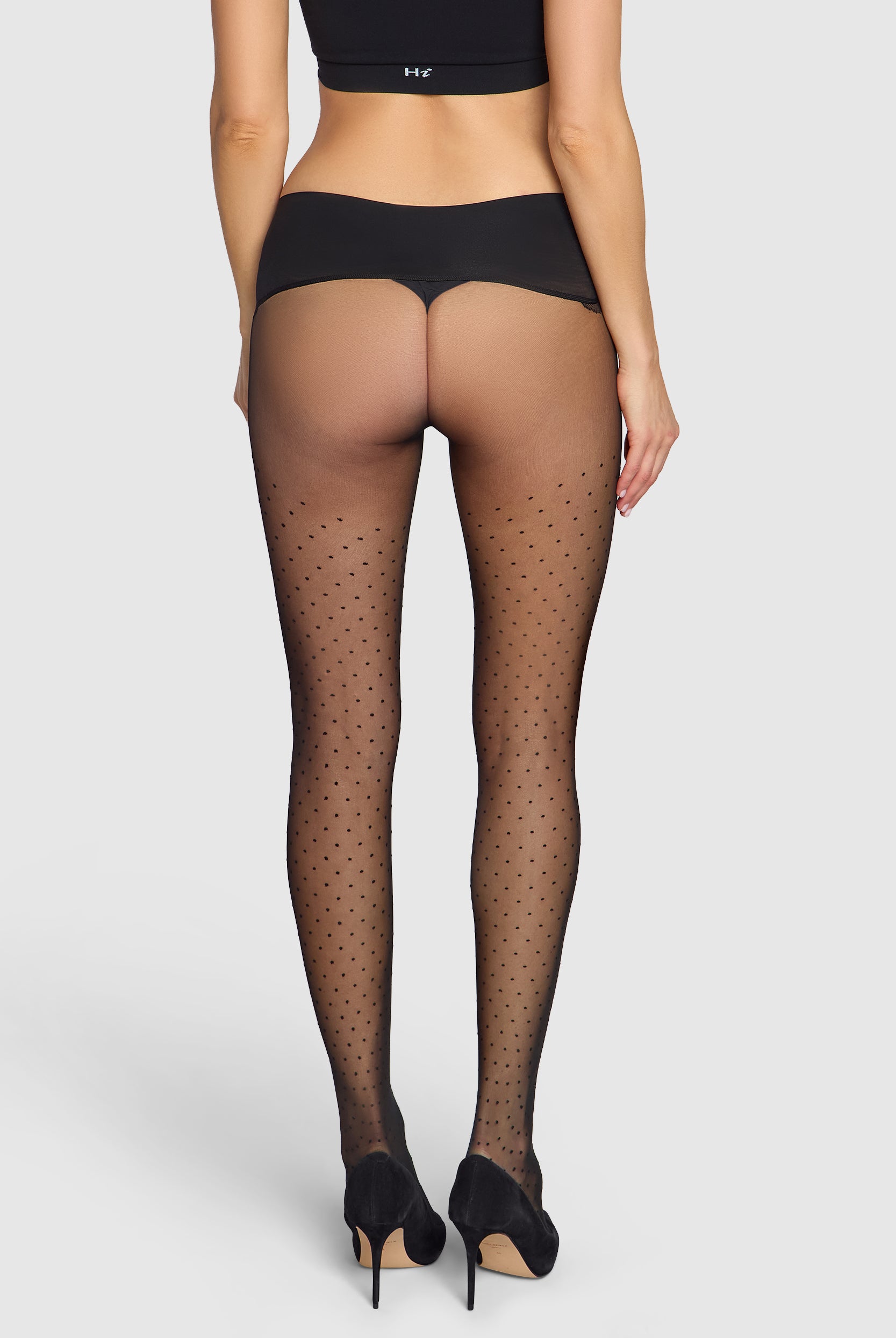
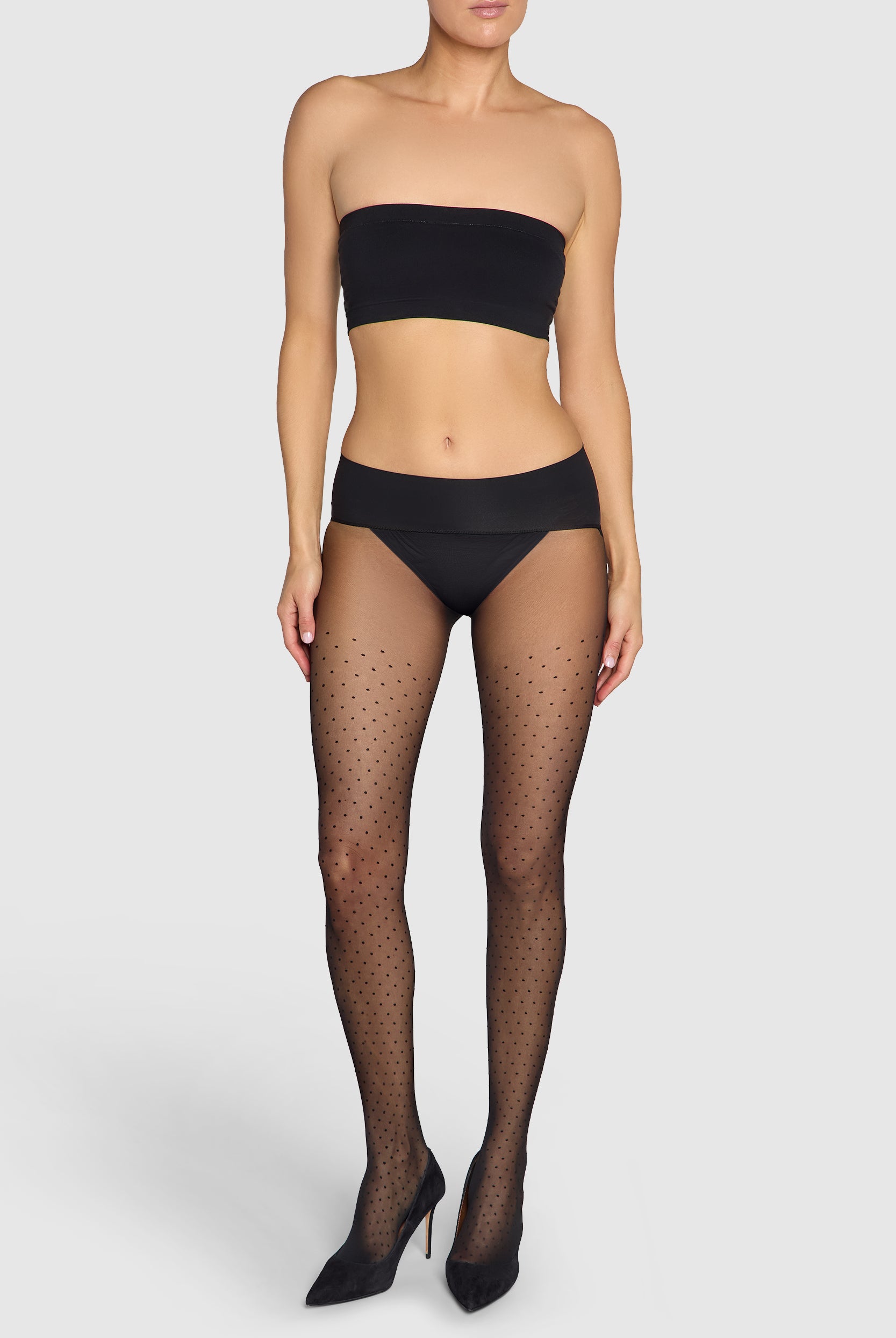
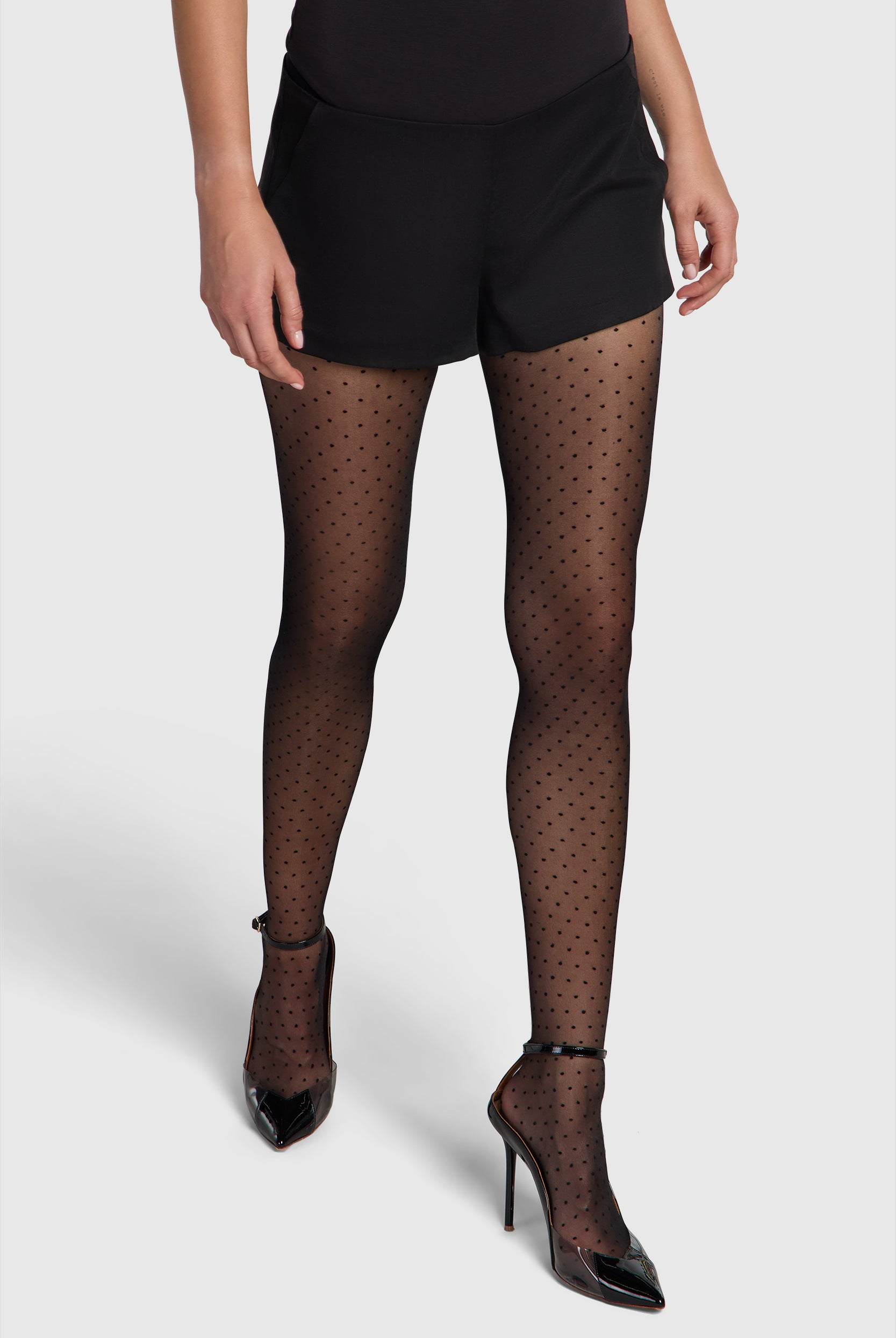
The Polka Dot Black
X3 or more - 15% off


The Polka Dot Chocolate Brown
X3 or more - 15% off



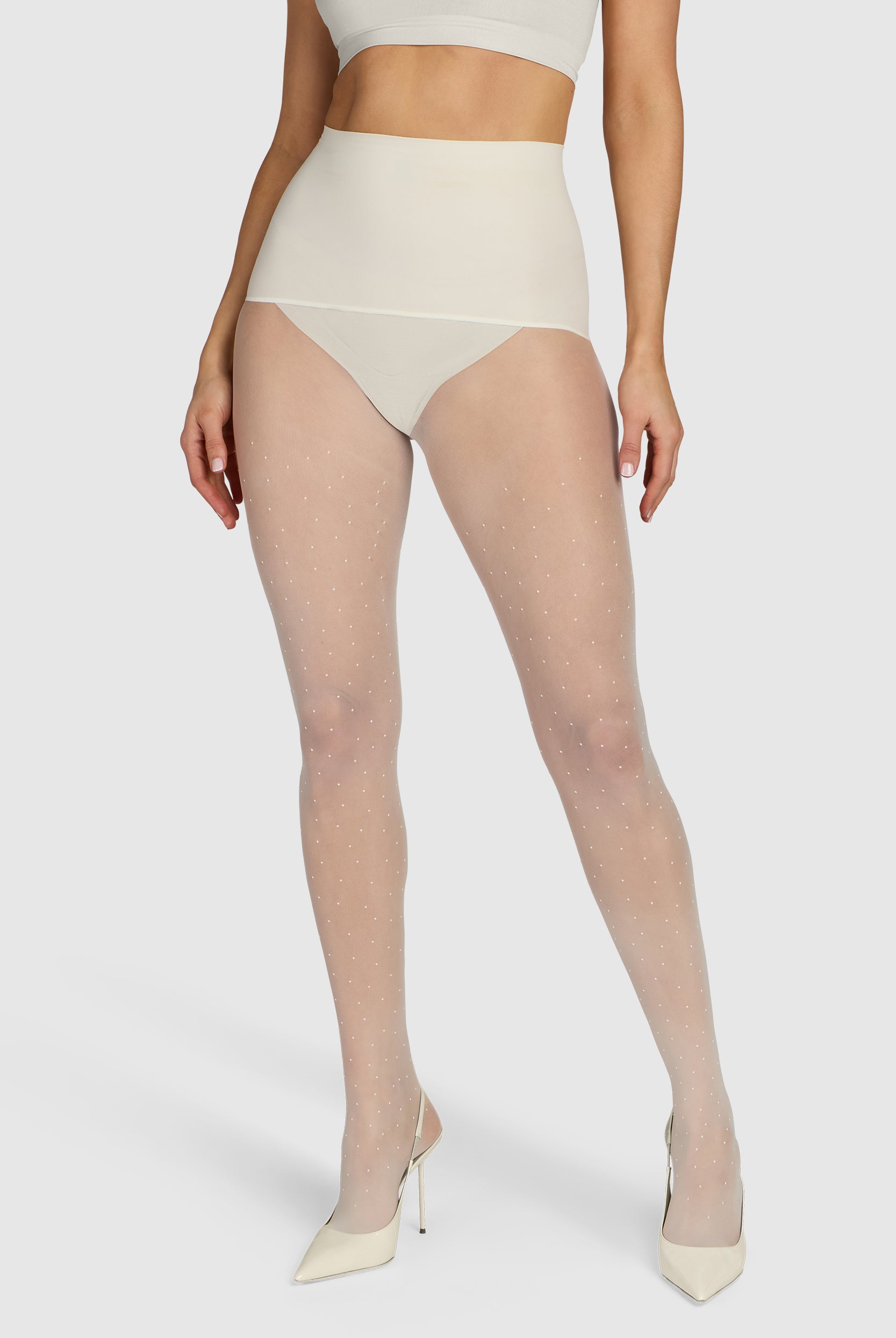
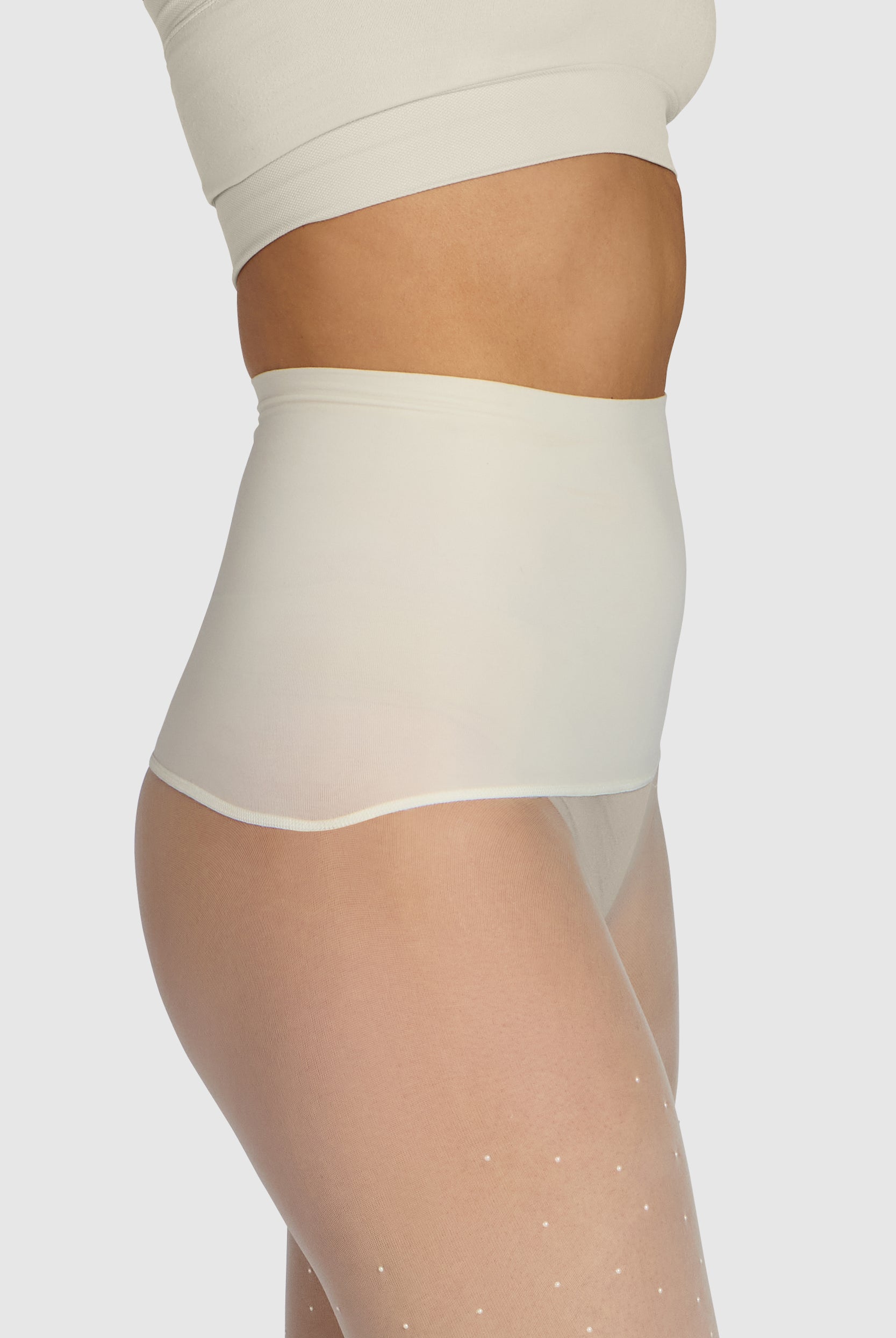
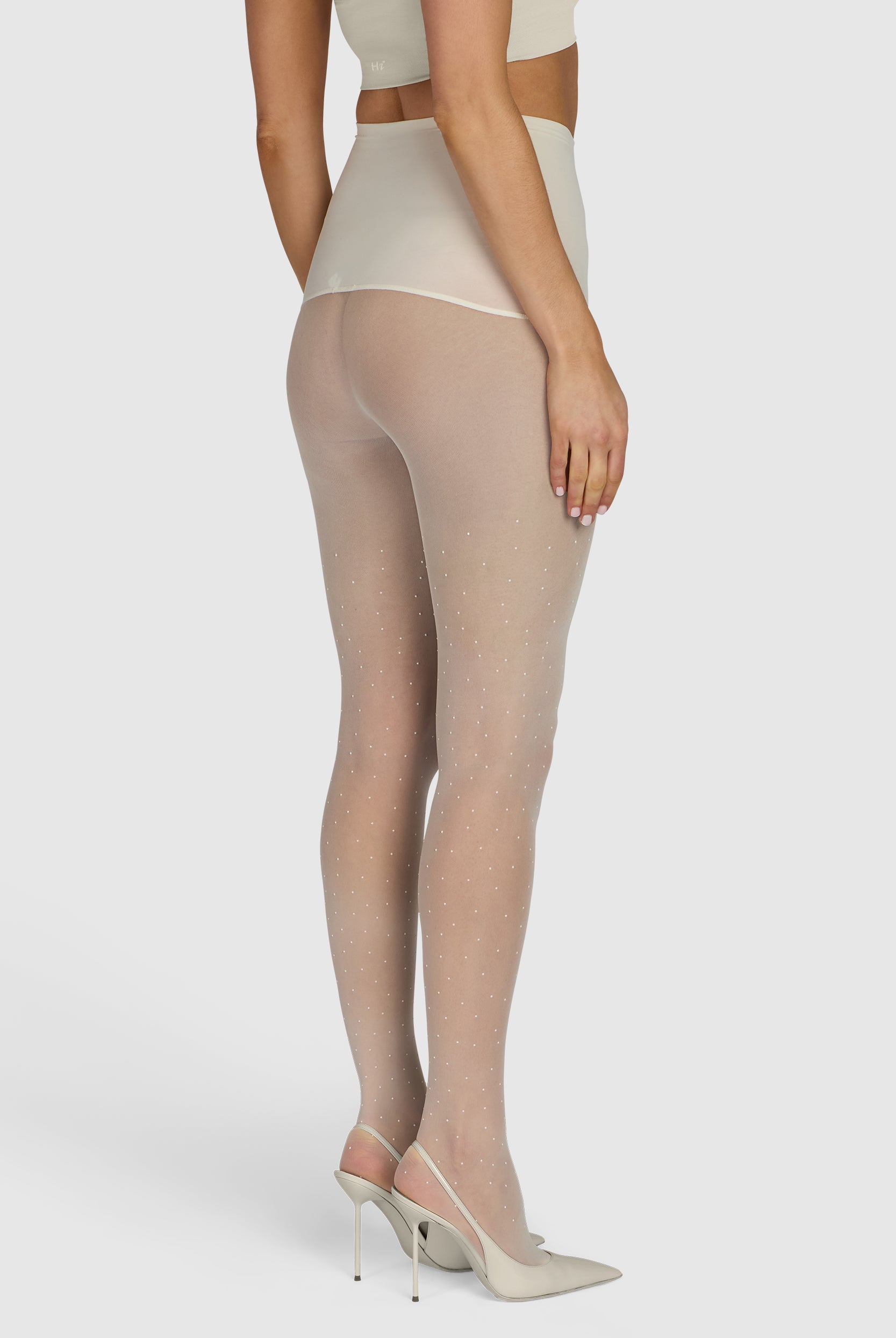
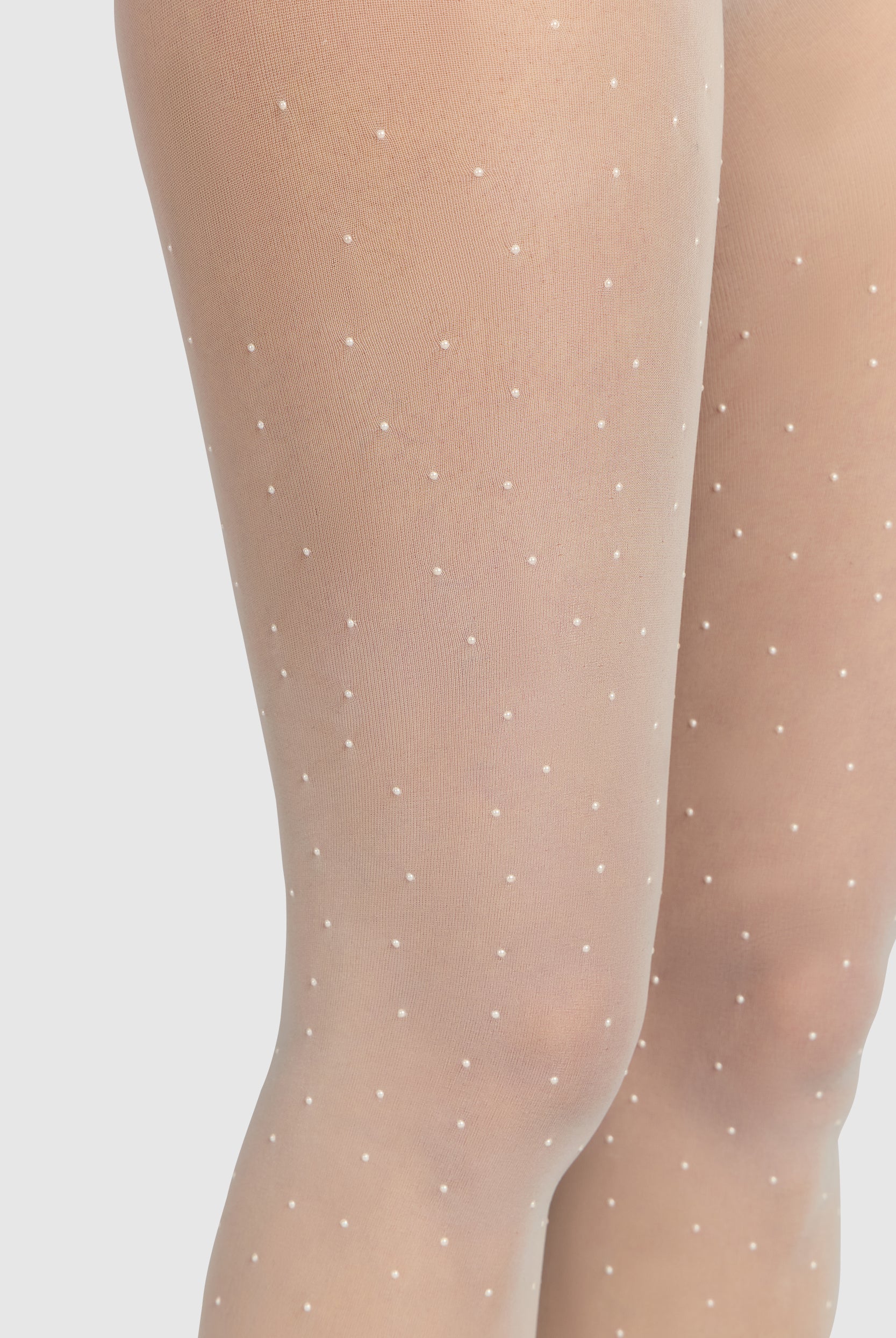
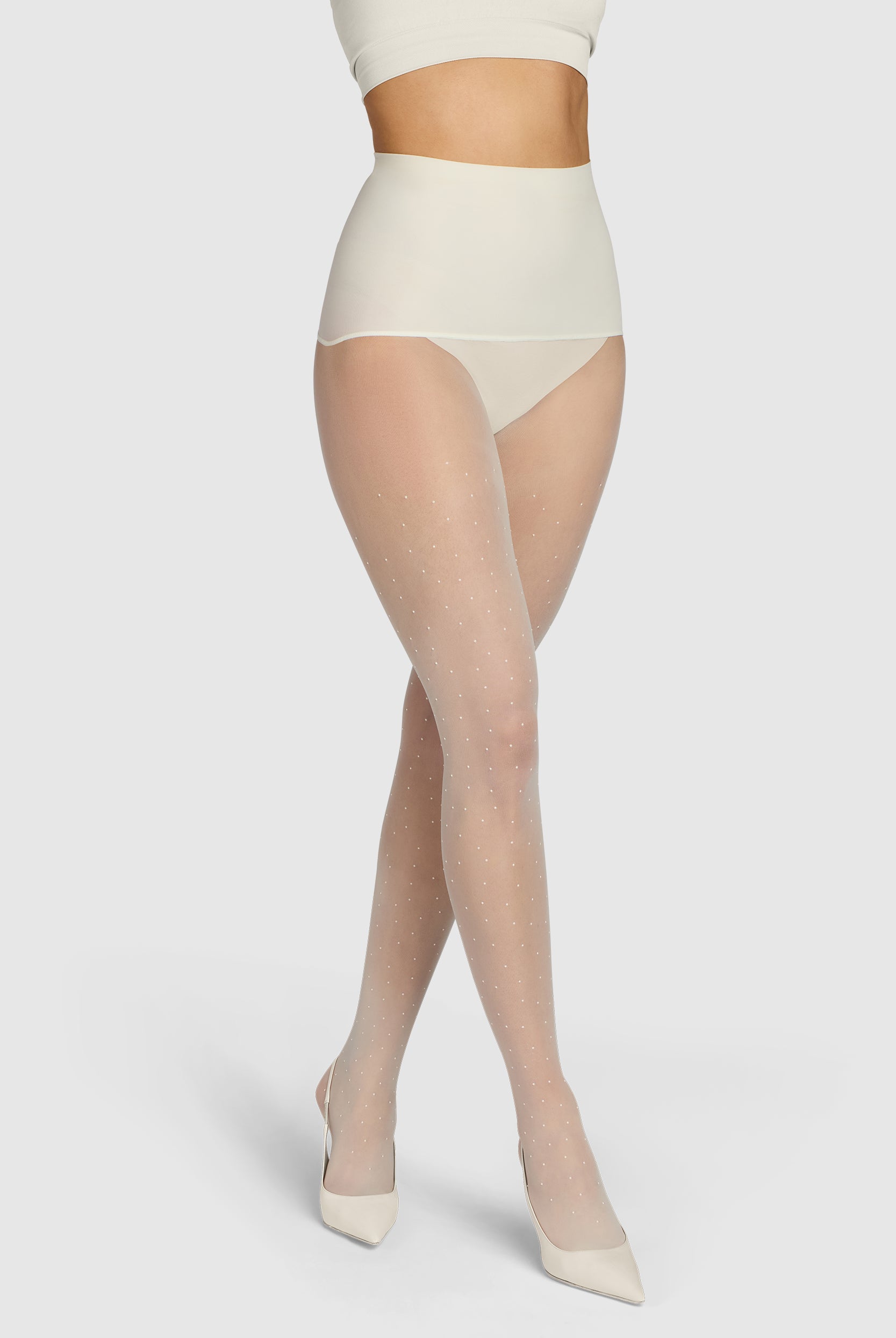
The Scattered Pearl Vintage Ivory
Regular price
£150.00 GBP
Vintage Ivory
X3 or more - 15% off


Twelve months. 196 samples. 67 women.
Before Heist even started selling tights, we spent twelve months making prototypes.
196 samples tested on 67 women. The outcome was a list of what failed — waistbands that rolled, seams that gave under stress, yarn blends that looked great in a studio and terrible in natural light — followed by continued testing until those failure points were gone.
The tight that launched was the version that survived that process. Not a version that survived a week. A version that had been through twelve months of testing across a range of bodies and lives.

How the cost-per-wear works
A pair of tights that ladders after two wears costs more per wear than a pair that does not. The math is direct. A £7 tight that fails in two wears costs £3.50 per wear. A £35 Heist tight worn 30 times costs £1.17 per wear. The gap between cheap and expensive narrows before the end of the second month. After that, the cheaper option costs more overall.
The materials used to reach a £5-10 price point have a short shelf-life. Below a certain yarn grade, pilling starts. Below a certain construction standard, the seam fails. Below a certain waistband finish, rolling begins. None of those failures are visible in store or online when you buy them. They appear at the third or fourth wear, by which point the problem is already there.
Cheaper tights cost more.

In short
£30 to £45. That is the cost of the yarn grade, the construction method, the twelve months of development, and the manufacturing expertise. Heist is an investment your legs, wardrobe, and our environment will thank you for later.
It is not the cheapest option initially, but is the option that costs the least over time.
FAQs
Are expensive tights really worth it?
Yes, if the price reflects genuine differences in construction and materials. Tights with higher-grade yarn, seamless construction, and a properly engineered waistband outlast budget alternatives significantly. The cost-per-wear calculation typically favours the more expensive pair within two to three months.
Why do premium tights cost more than cheap ones?
Premium tights use higher-grade yarn blends, more complex construction methods, and more rigorous testing before going to market. Heist tights use Italian recycled yarn engineered to approximately 5,000 nylon spirals per inch of elastane and are built using a seamless, gusset-free construction that takes longer to produce than standard hosiery. The manufacturing process requires specialist tooling and factories with specific expertise in seamless knitting. The development process for the original Heist tight took twelve months and involved 196 samples tested on 67 women. Each of those factors has a cost, and that cost is in the price.
What makes seamless tights better?
Seamless tights are constructed without the joins that create twist points and structural weak spots. Gusset-free construction eliminates the most common failure point in standard tights. The result holds its shape, sits flat against the body, and does not bunch or shift through the day.
Why do cheap tights ladder so quickly?
Cheap tights use lower-grade yarn blends and simpler construction with more join points. Joins are the most likely point of failure under stress. Lower-grade yarn is less resilient to snagging. The result is a tight that can fail within one or two wears.
How long should quality tights last?
With reasonable care, a well-made tight should last 20 to 40 wears. Budget tights typically last 2 to 5 wears. At that scale, the cost-per-wear difference is significant — a £35 tight worn 30 times costs £1.17 per wear against £3.50 per wear for a £7 tight that fails in two.
What denier should I choose?
Denier describes yarn weight. The Heist Fifteen is 15 denier — sheer. The Thirty-Five Contour is 35 denier with a sculpting waistband — semi-opaque. Higher denier tights generally last longer. The right choice depends on the occasion and how often the tights will be worn. Check out our blog, Deniers Decoded, for more information.
Read More...

60 denier tights: the opaque weight that lasts the day
—
The Heist Team
60 denier tights are opaque. At 60 denier the knit is dense enough to cover the leg completely, with little skin showing through, while staying light enough to wear from...

Bridal tights: what actually survives a wedding day
—
The Heist Team
A bride is on her feet for hours, photographed under flash, and moving in ways an ordinary day never asks of a pair of tights. The two decisions that actually...

Patterned tights: what actually separates a good pair from a bad one
—
The Heist Team
Patterned tights can change an entire outfit, both for the best and for the worst. Factors including construction, colour, and size of the print can all contribute to the overall...
